
Things to do in Seville

Things to do in  Seville

Historic hubs and flamenco clubs

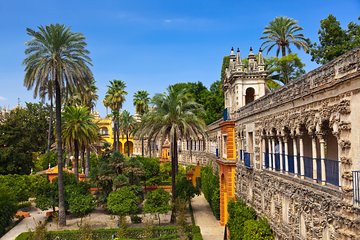
Seville, the capital of Andalucía, beautifully embodies the region’s diverse range of cultures and architectural styles. You’ll find photo-worthy sights around every corner, from the Jewish quarter of Barrio Santa Cruz to the Gothic-style Seville Cathedral (Catedral de Santa Maria de la Sede) to the Mudejar-inspired Royal Alcazar of Seville (Real Alcázar de Sevilla). However, some of the best things to do in Seville are going to flamenco shows, joining tapas bar crawls, and experiencing local wine tastings. The city also serves as an excellent hub for day trips to Cordoba, Granada, Jerez, or even Tangier.

Top 15 attractions in Seville

Top activities in Seville

All about Seville

Local Currency
Euro (€)
When to visit

Seville is at its peak in the summer months when the sizzle of the sun reaches up to 95°F (35°C). However, spring is usually considered the best time to visit. Starting from late March to early May, the flamboyant scent of orange blossoms fills the air, and some of the iconic festivals are happening, such as the Holy Week (Semana Santa). An alternative shoulder season is in fall. Summer crowds have departed, and temperatures tend to stay above 75°F (24°C) degrees until mid-October.

Getting around

There is no better way to uncover the best things to do in Seville than by taking a stroll through its winding alleyways. If your feet grow tired, hop on a bike from one of the many bike-share stations; the city is mostly flat and offers an easy ride around the back streets. However, for longer journeys, use the extensive bus network of more than 50 routes, including to the airport. There are affordable tourist passes available for buses and trains. The Seville-Santa Justa train station (built in the 20th century) connects to all major Spanish cities.

Traveler tips

Food and wine are undoubtedly among the highlights of Seville and are tied to its culture. Sample some of the best tapas in Andalucia at Bodega Santa Cruz near La Giralda or at La Brunilda. Both offer iconic small plates in a local atmosphere. And, if you want to combine flamenco with your evening glass of wine, head to Lo Nuestro or La Carboneria for authentic shows and a glass of sherry.

en
d781c2b5-d7c9-4ad9-a4b5-632c8e564c2d
attraction_list
People Also Ask
Q:What is Seville famous for?
A:

The largest city in Andalucìa is famous for its syncretic, Islamic-influenced Mudejar architecture and historic city center. Also present: Gothic, baroque, and Moorish styles—legend says Hercules founded the city. Alluring Seville is the setting for three famous operas: Carmen, Don Juan, and Figaro. It’s also a hub for Flamenco dancing.

Q:How many days do you need for Seville?
A:

With one day in compact Seville, you can cover main attractions such as the Seville Cathedral—the largest Gothic cathedral in the world—and the Giralda Tower, Plaza de España in the Maria Luisa Park, Torre del Oro, and more. The city is festive in the evening, especially in the furnace-hot summer, so try to spend the night.

Q:Are Seville and Sevilla the same place?
A:

Yes. In Spanish, the city is Sevilla, ending with an -a. In languages such as English and French, it ends with an -e. Default to the Spanish pronunciation in Spain. Some say the name evolved from the Latin place name Hispalis; others, from the Phoenician word for plain or valley.

Q:What is special about Seville?
A:

The city teems with historical landmarks, but Seville's vibrant and festive spirit—which epitomizes the Spanish way of living—is its strength. Enjoy sangria and tapas in Barrio Santa Cruz, take in a flamenco performance, and explore on foot to marvel at the varied architectural styles. Sevilla demands time to be experienced.

Q:What can you do in Seville in 2 days?
A:

With two days in the city of Seville, you can see historical attractions, watch flamenco, and dine in a sun-kissed piazza in the former Jewish Quarter. Visit Sevilla Cathedral and climb the adjoining bell tower for panoramic views. Take a half-day at Royal Alcazar, a UNESCO-listed Mudéjar complex of palaces and gardens that was a location for the “Game of Thrones” TV series, visit the Museum of Fine Arts (Museo de Bellas Artes), and marvel at the Setas de Sevilla (formerly the Metropol Parasol) wooden structure.

Q:Is Seville, Spain, a safe city?
A:

Yes. Sevilla—the fourth-largest city in Spain—has one of the lowest crime rates in Europe. Venture out after hours and you’ll find the bars and winding streets packed, especially on balmy summer nights. That said, keep a close eye on valuables, especially in touristy districts, as pickpocketing is not unusual.