Things to do in Modena

Things to do in  Modena

Fasten your seatbelts

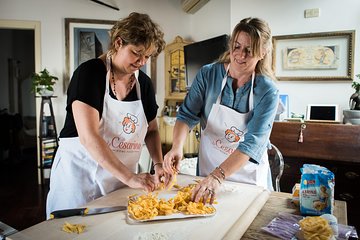
Modena sits at the intersection of Italy’s Motor Valley and Food Valley, making it a top destination for both gearheads and gourmands. Motor-minded visitors make a beeline for the city’s Enzo Ferrari Museum to delve into the world of this iconic sports car, while foodies hit the local balsamic vinegar and Parmigiano Reggiano producers for food tours and tastings. Other popular things to do include excursions to the outlying Lambrusco wineries, market tours and cooking classes in town, and guided walks through Modena’s handsome historic center.

Top 3 attractions in Modena

Top activities in Modena

All about Modena

Local Currency
Euro (€)
When to visit

Modena is all about food, so the fertile months of spring and the fall harvest season are the best times of year to experience this area’s rich cuisine. In spring, Parmigiano Reggiano dairy farms turn out huge wheels of cheese, Prosciutto di Parma ham has been aged to perfection, and Lambrusco corks begin to pop. Fall brings the grape harvest for the year’s vintage along with cooler temperatures, ideal for tucking into heaping plates of tortellini, tagliatelle al ragù, and lasagne alla Bolognese.

Getting around

With a pocket-sized historic center and streets lined with pedestrian porticos, Modena is a delight to explore on foot. You can head out rain or shine and stroll beneath the city’s landmark arcades—even the Enzo Ferrari Museum and Maserati Factory and Showroom are a short walk from the town center. To visit the cheese, ham, balsamic vinegar, and wine producers in the surrounding countryside, however, you’ll need a car.

Traveler tips

The Modena area is home to two Ferrari museums. The Enzo Ferrari Museum is located in Modena itself and comprises the original Ferrari workshop and a contemporary annex. Visit to see vintage race and road cars and a collection of engines. The Ferrari Museum is located at the Ferrari factory in Maranello, 30 minutes south of Modena. Come to admire F1 race cars and road cars, tour the campus, and spin around the test track.

en
30f22404-30b3-4628-9a0b-eb7042d4187e
attraction_list
People Also Ask
Q:What is Modena famous for?
A:

Modena sits at the heart of what’s known as Emilia-Romagna’s Food Valley and Motor Valley. It’s known specifically for its prestigious balsamic vinegar—aceto balsamico di Modena—and its rarified sports cars, including Ferrari and Lamborghini. Modena is also famous for its opera tradition; Luciano Pavarotti was born here.

Q:How do I spend a day in Modena?
A:

Begin your day by exploring the old town on foot or by bike to take its portico-lined lanes and Romanesque cathedral, plus stop at the Enzo Ferrari Museum to marvel at Italy’s iconic sports cars. Carve out time for a leisurely lunch at one of Modena’s local restaurants, too.

Q:Is one day in Modena enough?
A:

Yes, Modena is small and you can visit the old town, automotive museums, gourmet shops, and restaurants in one day. You can also use the city as a base to explore what’s known as the Food Valley and Motor Valley nearby—in this case, plan to stay at least three days.

Q:Is it worth going to the Ferrari museum?
A:

Yes, the Ferrari Museum is one of the top automotive museums in Italy. There are two Ferrari museums in the area: The Enzo Ferrari Museum is located in central Modena and includes the original machine shop. The Ferrari Museum is just outside Modena in Maranello, connected to the Ferrari factory.

Q:What food should I try in Modena?
A:

Aged balsamic vinegar is Modena’s most famous local specialty, but the town marks the center of what’s known as Italy’s Food Valley, where some of the country’s most prestigious gourmet specialties are produced. Try Parmigiano-Reggiano and prosciutto di Parma from neighboring Parma plus Lambrusco wine from the surrounding vineyards.

Q:Where in Italy is Modena?
A:

Set in Italy’s northern region of Emilia-Romagna, Modena is located about halfway between Parma and Bologna. It sits in the Po River Valley, which is famous for its fertile farmland where many of the top Italian specialties are produced, as well as one of Italy’s most important manufacturing areas.