
Know Before You Go: Exploring the French Quarter


The French Quarter is the beating heart of New Orleans, Louisiana, famous for its Mardi Gras festivities, Creole and Cajun cuisine, and connection to voodoo traditions. Brightly lit bars, live jazz music, and intricate architecture in the French Quarter set the scene, but there’s so much more here that it’s worth brushing up on all the key facts before you go.
Our French Quarter guide comes with everything you need to know—including the best times to visit, ideas for what to do, and plenty of New Orleans tour recommendations. To find out where to eat, what to see, and more, take a look at our tips to make the most of your visit to the Big Easy.
When’s the best time to visit the French Quarter?

Spring and fall are ideal, while midweek visita offer a quieter time to explore.
Because of its sweltering summers, New Orleans is best enjoyed during spring (especially late February, when you can take part in the city’s world-famous Mardi Gras traditions and parades), and fall (September to mid-November). Temperatures during these months feel warm but comfortable, and the area becomes a cultural hot spot of festivals, parades, and ghost tours, especially around Halloween. Explore the city’s historic cemeteries, such as Lafayette Cemetery No. 1, or for true horror buffs, the (supposedly) haunted LaLaurie Mansion.
For a party vibe, head to the French Quarter on weekends to join crowds descending into Bourbon Street for countless watering holes and jazz bars. For a quieter experience, visit midweek or explore during the morning or late afternoon.
Related: Know Before You Go: Celebrating Mardi Gras in New Orleans
What should I do in the French Quarter?

From hearing live music to visiting historic museums, there’s plenty to do (and see) in the French Quarter.
The French Quarter’s mix of history, culture, music, and nightlife in New Orleans makes it one of the most dynamic neighborhoods to see, and in which to eat and shop. Follow the sounds of jazz from street corners, duck into neon-lit bars for a Sazerac cocktail, sample a warm beignet (or two), and check out Bourbon Street attractions on a hop-on hop-off bus tour or even a private carriage ride.
Creatives will find inspiration in the galleries on Royal Street, while several museums, such as the National WWII Museum, offer a glimpse into the past. In the mood for some retail therapy? The French Market shopping hub, full of open-air stalls, is packed with local produce, handmade crafts, and out-of-the-ordinary souvenirs you can’t get anywhere else.
Which tours and tickets can I book in the French Quarter?

Walking tours and food experiences are just some ways to spend your time in the French Quarter.
Exploring the French Quarter on foot is a great way to immerse yourself in the city. Whether you choose to focus on its connection with jazz on a music tour, or explore the historic landmarks in New Orleans to discover its colorful past, Creole heritage, or voodoo traditions, you’re sure to learn a lot.
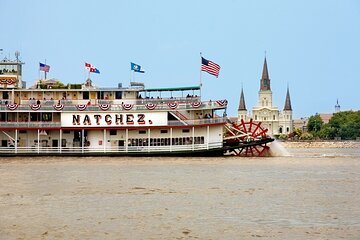
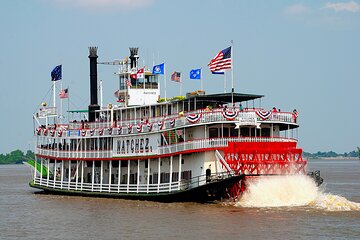
All walked out? See the sights on a horse-drawn carriage, head to the Mississippi River on a steamboat cruise, or even take to the skies on a helicopter tour over New Orleans. Foodies, meanwhile, can sit back at a jazz brunch or learn about New Orleans food culture on a guided food tour, with plenty of stops to taste local favorites along the way.




What should I eat and drink when visiting the French Quarter?

Everything! Renowned for its food and drink culture, the French Quarter is sure to satisfy your appetite.
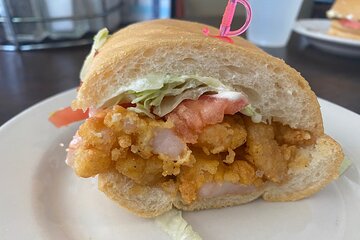
The French Quarter is a great place to sample the Creole and Cajun cuisine for which New Orleans is famous. Staples include po’boys, muffuletta sandwiches, and gumbo, plus sweet treats such as beignets and pralines, which are available in most of the area’s cafés and diners. For a treat, the best restaurants in the French Quarter are renowned for their fine-dining twists on regional classics—as well as their warm hospitality.
New Orleans is well known for its cocktails, and the French Quarter is no exception. Favorites include the Ramos Gin Fizz, the Sazerac, and the Hurricane—or you can try mixing your own during a guided cocktail-making class.
Insider tip: New Orleans’ unique laws allow drinking-age adults to imbibe from open containers on streets and sidewalks.
What should I wear when I visit the French Quarter?

Keep it casual: Lightweight clothing and comfortable shoes are ideal.
Dressing for the New Orleans climate is key as you explore the French Quarter. Clothes in breathable fabrics will feel most comfortable and, as you’ll be walking a lot, practical footwear is a must. Sturdier shoes will be far kinder to your feet than heels or open sandals. Keep your belongings safe—and close—in a small cross-body bag.
Sunglasses and a wide-brim hat or cap will offer protection against the midday sun, but heavy rain can also hit the French Quarter suddenly, so don’t forget a poncho or compact umbrella. Many restaurants, museums, and stores are air-conditioned, so it makes sense to bring an extra layer too.
Is the French Quarter accessible if I have a disability?

Navigating some parts of the French Quarter can be tricky, so plan ahead.
Cobblestones, alleyways, and uneven sidewalks are hallmarks of the French Quarter, which offers something of a mixed picture when it comes to accessibility. While efforts are increasingly being made to accommodate wheelchair and mobility-device users, many historic buildings (including restaurants, bars, and hotels) have entrances with steep stairs or narrow doorways that can make them a challenge. Certain streets can be more difficult to navigate than others, so check your route ahead of time.
The key is to devise an itinerary that works best for your needs. Choose accessible hotel accommodation, check in with restaurants about entryways and restroom access, and research the guidance for individual French Quarter attractions to make the most of your time in the area.
Frequently asked questions

Everything you need to know about visiting the French Quarter of New Orleans.
Is the French Quarter safe? The area is generally safe for visitors, but stay aware, particularly in crowded areas and after dark. Walk on well-lit streets and keep your valuables secure while you explore.
Is the French Quarter family-friendly? Yes. Most of the attractions in the area welcome children, and there are many walking tours of the French Quarter designed especially for families. Bourbon Street, however, is best left to the adults.
How should I get around the French Quarter? As it's compact and walkable, the best way to explore is on foot. If you’re traveling to the area, hop on a New Orleans streetcar or arrive on a rideshare taxi.
Do I need to make reservations in the French Quarter? It’s best to secure your spot in advance at restaurants and on tours—especially during weekends and during Mardi Gras—to avoid long lines. More casual venues gladly welcome walk-in guests.
Can I drive and park within the French Quarter? Narrow, crowded streets and limited on-street parking make navigating a vehicle challenging. Some hotels offer valet parking, while public garages are available nearby.
Book more things to do in New Orleans





Keep reading


