
9 of the Best Bioluminescent Bays Around the World


Bioluminescence is one of nature’s most spectacular sights, whether you call it “blue tears” as they do in Taiwan’s Matsu Islands, or the “Sea of Stars” as Maldives travelers say. Most bioluminescence travel spots are a movable feast: the mythical Sea of Stars drifts around the Maldives archipelago, while travelers to Indonesia can find everything from a glimmer off a white-sand island to a neon blaze vast enough to be visible from orbit.
But there are a few places where you can reliably experience bioluminescence, when weather and lighting allow; discover them in our guide to the best bioluminescent bays around the world.
1. Bioluminescent Bay (Mosquito Bay), Puerto Rico

Bioluminescent Bay is (aptly) the world’s brightest bioluminescent bay.
Holding the Guinness World Record for brightest bioluminescent bay, Bioluminescent Bay—aka Mosquito Bay or Bahía Mosquito—nestles on Puerto Rico’s Vieques island and tops every list of where to see bioluminescent bays. While swimming and powered boats are banned, you can book a kayak tour to see the glow here.
Watching the sparkling water drip from your paddle is magical, and clear-bottom kayak adventures let you see even more. Bioluminescent Bay’s waters glow year-round, but it’s best to book for a clear, moonless night during the dry season—roughly December through March.
2. Luminous Lagoon, Jamaica

Luminous Lagoon is reliably sparkly *and* an easy trip from Montego Bay.
Just a 30-minute drive from Jamaica’s Montego Bay, Luminous Lagoon (also known as Glistening Waters) is another of the Caribbean’s most famous bioluminescent bays—and, yes, you’re allowed to swim. The plankton are present year-round, but aim for a moonless night and avoid visiting after heavy rainfall when outflow from the river clouds the water. Some night tours include local touches, such as a glass of rum punch, to make the experience extra special.
3. Phra Nang Beach, Thailand

One of Asia’s top spots for bioluminescence is Phra Nang Beach.
The waters off Phra Nang Beach in Krabi are probably Asia’s most popular destination for bioluminescent bay tours, with an impressive array of options. You can explore by speed boat, long-tail boat, kayak, transparent kayak, stand-up paddleboard, snorkeling tour, or even try your hand at free diving.
One popular sunset cruise combines Krabi’s popular “four island” tour with dinner and a snorkel in the sparkling waters. Expect to see the brightest effects on dry nights with no moon or a late moonrise: January through March are typically the driest months.
4. La Parguera, Puerto Rico

La Parguera is the only Puerto Rican bioluminescent bay where you can swim.
Puerto Rico tops the list of bioluminescent water destinations with not one but three bays that offer sparkling plankton all year round. Though less bright than Bioluminescent Bay (Mosquito Bay), La Parguera is the only bay where swimming is an option and powered boats can enter; it’s also the easiest one to reach from Rincón, although you can also travel from San Juan.
Tour options include cruises, kayaking, pedal boats, and private boat charters. Check the lunar calendar before you book—look for a new moon if possible—and aim for dry days, which are most common December through March.
5. Laguna Grande, Puerto Rico

Laguna Grande is the closest bioluminescent bay to San Juan.
Last but not least of Puerto Rico’s bioluminescent bays for travel is Laguna Grande in Fajardo—although it’s technically a lagoon, not a bay. Like Bioluminescent Bay (Mosquito Bay), swimming and powered boats are not allowed, but the entry through a mangrove-lined channel makes kayaking tours a thrilling ride.
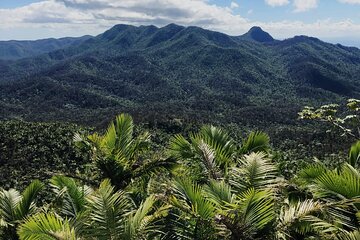
Situated just a little more than an hour from San Juan, it’s also a great choice for time-pressed travelers. Plus, some popular combo tours pair the lagoon with a day hike in El Yunque National Forest.
Related: Know Before You Go: Visiting El Yunque National Park
6. Cat Ba Island, Vietnam

Try a night kayaking adventure in Cat Ba Island, a fantastic bioluminescent bay in Vietnam.
In Lan Ha Bay, above Ha Long Bay—Vietnam’s UNESCO World Heritage–listed karst seascape—the waters around Cat Ba Island offer a fairly reliable display of bioluminescence, and local guides know where to seek it out. Not all Ha Long Bay cruises visit the plankton, so bioluminescent bay night tours by kayak are the way forward. Like daytime kayak tours, they typically include a visit to a floating village or a floating fish farm. Note that temperatures can be on the cool side from December through March.
7. Laguna Manialtepec, Mexico

Find your spark in Laguna Manialtepec among the mangroves.
Near Puerto Escondido in Oaxaca, Mexico, the Laguna Manialtepec is another bioluminescent bay that is (as the name somewhat suggests) a lagoon, and not a bay. By day, it’s a mecca for birdwatchers; by night, when conditions are right, it offers trails of sparkling, bright blue water. The bioluminescence isn’t guaranteed here, and local operators sometimes substitute Parque Nacional Lagunas de Chacahua when plankton levels are low. As always, plan your visit for a moonless night without recent rain.
8. Havelock Island, India

You'll find a touch of sea sparkles in Havelock Island.
On Havelock Island—the most popular of India’s Andaman and Nicobar Islands—several beaches and lagoons offer bioluminescence on-and-off throughout the year. Your chances are highest during the dry season (roughly, December through April) and on a new moon night, and most tour operators will take you to the beach where the phenomenon is strongest. The best options to see the sparkles include renting a kayak, taking a boat tour, or simply heading for a stroll along the beach.
9. Jervis Bay, Australia

Jervis Bay offers the best chance of spotting bioluminescence in mainland Australia.
The unique natural wonder of bioluminescent bays can be found all over the world—even in cooler climates. And Jervis Bay, south of Sydney, Australia on the New South Wales coast, offers not only dolphin-spotting and whale-watching tours but beautiful, if unpredictable, bouts of sea sparkle. When it arrives, usually during the warmer months, you can see the plankton on the surface of the water as a “red tide” or pinkish haze before it glistens in the dark.
More ways to explore Puerto Rico




Keep reading


