Things to do in Curacao

Things to do in  Curacao

Happiness comes in waves

Curacao is a boisterous blend of cultures. Restaurants serve local conch and fresh-caught red snapper from candy-colored Dutch colonial buildings. You’ll find stacks of syrupy cookies called stroopwafel in shops, and paper cones of fries are a popular street food.

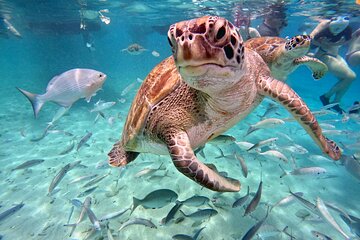
The European vibes are belied by Curacao’s white sand beaches, clear blue water, and its welcome tropical warmth. A snorkeling tour should top your list of things to do in Curacao, followed by a day of eating your way through the UNESCO World Heritage Site of Willemstad. Mambo Beach, also known as Seaquarium Beach, is located on the southern coast of Curaçao, just a short drive from the capital city of Willemstad.

Top 15 attractions in Curacao

Top activities in Curacao

All about Curacao

Local Currency
US Dollar ($)
When to visit

The temperature stays warm all year round in Curaçao, but certain times of year are better to visit than others. The island country is busiest from December to April, as travelers from much chillier destinations seek more pleasant climes. October to December tends to have the most rain, so skip those months to make the most of your time on this idyllic island. For an unmissable experience, visit the Curaçao Carnival, which runs from mid-February to mid-March, and see the island filled with parties, festivals, and music.

Getting around

The public bus service in Curaçao is affordable but infrequent, so cars are the easiest way to see the island. Many hotels offer shuttles and tours for your convenience, but taxis are easy to find; ensure you agree on a rate beforehand, as they can become expensive. Otherwise, rent a car and enjoy the freedom and flexibility to explore the island at your own pace, whether you're heading to Knip Beach for a snorkeling tour or setting out on a boat trip to Klein Curaçao.

Traveler tips

For classic Curaçaoan flavors, head to Willemstad’s Old Market, a popular place for locals and visitors where you can sample fresh conch, goat stew, and grilled fish. The indoor market has a central area for eating—a nice respite from the island’s heat. Don’t miss Curacao’s vibrant underwater world; its crystal-clear waters are perfect for scuba divers and snorkelers looking to experience the island's colorful marine life.

en
583c5f4d-e77b-4391-b5cb-b0cff8e63e65
attraction_list
People Also Ask
Q:What is Curacao best known for?
A:

You might recognize Curacao as a cocktail ingredient rather than a Caribbean island. The nation’s popular export—an orange-flavored Curacao liqueur—appears in classic concoctions like the Blue Hawaiian. Made using the peels of the island's Laraha orange, the original liqueur is clear but can be dyed blue, green, red, and orange.

Q:What is there to do in Curacao?
A:

Things to do in Curacao range from exploring the vibrant capital of Willemstad with its colorful Dutch colonial buildings to relaxing on its stunning beaches. You can snorkel in the crystal-clear waters of Blue Bay to see vibrant coral reefs and sea turtles, hike through Christoffel National Park, or dive at the famous Mushroom Forest. For a taste of history, visit the Kura Hulanda Museum or take a guided tour of the island's historic plantations, which were historically tied to the Dutch West India Company and the slave trade.

Q:How many days do you need in Curacao?
A:

Most travelers spend three to four days in Curacao, especially if they plan to go scuba diving. The island is a popular stop for cruise ships, so it is possible to see Curacao in one day. But it’s best enjoyed as a long weekend or part of an island-hopping vacation.

Q:Do they speak English in Curacao?
A:

Yes. Residents usually speak English, Dutch, Spanish, and Papiamentu, which is the island’s official language, a form of Creole based on Portuguese. Due to the recent influx of Brazilian visitors, Portuguese has also become a prominent spoken language. English is widely used among staff in hotels and restaurants.

Q:What can you do for free in Curacao?
A:

Wander around Willemstad to see the colorful buildings and street art. Swing by Queen Emma Bridge (a wooden pontoon bridge). Visit the Curacao Liqueur Distillery at Landhuis Chobolobo—it's free to roam (or pay for a guided tour). And view local artist Nena Sanchez's work at the historic plantation building Landhuis Jan Kok.

Q:Is Curacao expensive to visit?
A:

Yes. Like many island destinations, accommodations are limited on Curacao, meaning there are fewer budget-friendly options, and meals tend to be pricey because supplies are imported onto the island. But if you stick with local restaurants serving island specialties like keshi yena (which means "stuffed cheese"), you can save money.