
Know Before You Go: Visiting the Na Pali Coast


Located on the beautiful island of Kauai, Hawaii, the Na Pali Coast is a stunning collection of cliffs. Covered in tropical greenery and carved with deep, waterfall-filled crevices, this oceanfront landscape is quite a sight to behold. In fact, it’s safe to say that Kauai’s Na Pali Coast is one of the most beautiful sights in the Hawaiian Islands.
The Na Pali Coast is completely inaccessible by car: you can explore on foot, by sea, or by air. There’s quite a bit of planning that goes into each option, but this Na Pali Coast guide will navigate you through the intricacies of seeing this gorgeous Kauai landscape.
How can I visit the Na Pali Coast?

The Na Pali Coast isn’t accessible by car; you’ll have to travel on foot, by boat, or by air.
You can’t take a car on the stunning Na Pali Coast cliffs, but you can get up close and personal by hiking the 22-mile (35.4-kilometer) Kalalau Trail, or its shorter, 7.6-mile (12.2-kilometer) Hanakapi’ai Falls detour. Both hikes are challenging and require a series of permits and reservations (covered below), but they’re arguably the best way to see the Na Pali Coast.
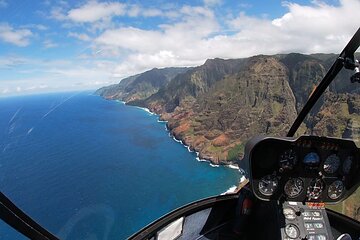
If you’re not much of a hiker, you have two options: by boat or by air. Numerous Na Pali Coast boat tours sail the waters near the oceanfront cliffs, typically combining the awe-inspiring views with snorkeling opportunities or a sunset glow. Alternatively, take a helicopter trip or small plane excursion for a bird’s-eye view of this legendary landscape.
What’s the best time to visit the Na Pali Coast?

While Hawaii has pretty temperate weather, it’s best to visit the Na Pali Coast in the summer.
Regardless of whether you’re hiking, boating, or flying, summer is the best time to tackle the Na Pali Coast. While the temperatures are a bit hotter, the rainy island is at its driest: Trails are less slippery for hikers, seas are calmer for boaters, and skies are safer for fliers.
As a bonus, the Kalalau Trail sometimes releases a small number of extra hiking permits during the summer months, making it a tiny bit easier to get a pass (though the added permits are often prioritized for residents).
How can I get to the start of the Kalalau Trail?

Both parking and shuttle services are limited, so you’ll have to plan ahead.
Arranging the permit to hike the Kalalau Trail is just one piece of the puzzle. You’ll also have to arrange proper transportation to the trailhead within Hāʻena State Park. Your first option is to reserve one of the limited parking spaces. If you have a Kalalau camping permit (which you’ll need if you’re hiking farther than Hanakapi’ai Valley), an overnight parking permit is included. That said, you’ll still need to make an overnight parking reservation.
There is also a shuttle, which runs every 20 minutes from 6:20am to 6:40pm. All riders (excluding a couple of rare exceptions) must check in at the first stop at the Waipa Park and Ride. From the start of the shuttle route, it’s a 30-minute ride to Hāʻena State Park and the trailhead. This option has its own complications, as you cannot park overnight at the Waipa Park and Ride. That said, you can take the public bus or rideshare to and from the Park and Ride.
Last but not least, you can pre-arrange a ride. While this option is convenient for getting to the trailhead, it’s very tricky when leaving, as there isn’t any service to call a friend or a rideshare. You’ll have to have the precise timing worked out in advance to make this option work.
Do I have to hike all of the Kalalau Trail?

No, you can hike smaller sections of the trail, and how far you hike will determine the permits you need.
There are two options to hike the Kalalau Trail. First, there’s the shorter, day-trip hike to Hanakapi’ai Falls: follow the Kalalau Trail until you reach Hanakapi’ai Valley, where you’ll venture inward until you reach the 300-foot (91-meter) falls. All in all, it’s a challenging 7.6-mile (12.2-kilometer) hike. To do this hike, you’ll need a reservation to enter Hāʻena State Park, along with a reserved shuttle ride, parking pass, or pre-arranged transportation (transportation options discussed more below).
Alternatively, you can tackle the entire 22-mile (35.4-kilometer) out-and-back Kalalau Trail. There aren’t really places to turn—once you pass Hanakapi’ai Valley, be prepared to do the rest. To hike past Hanakapi’ai Valley, you’ll need a camping permit (even if you don’t plan to stay overnight), which includes the required Hāʻena State Park reservation. You’ll also need a reserved shuttle ride and a parking pass or pre-arranged transportation.
Do I need to make reservations in advance to visit the Na Pali Coast?

Yes, you’ll need make reservations on the Na Pali Coast ahead of time, regardless of your mode of transportation.
If you plan on tackling the Na Pali Coast hike—aka the Kalalau Trail—you’ll need to do quite a bit of planning. Depending on how far you plan on hiking, you’ll need a Hāʻena State Park reservation, a camping permit, an overnight parking permit, and/or a shuttle reservation (more information below). You’ll need the Hāʻena State Park reservation first, which is available from 30 days in advance.
If you’d like to take a Na Pali Coast helicopter tour or a boat tour, you’ll also want to book these as soon as possible. They’re in high demand and often fill up far in advance. That said, you do have a smidge more wiggle room with these two options, as there are quite a few tour companies to choose from.


What should I bring for my visit to the Na Pali Coast?

The supplies you’ll need depend on how you travel to the Na Pali Coast.
If you're planning on experiencing the Na Pali Coast on foot, you’ll need a good amount of supplies. Some basics include sturdy hiking boots, appropriate hiking attire, a first aid kit, a water filter, sun protection, and a backpack. Despite all of the gear, be sure to follow this important Na Pali Coast travel tip: Keep your pack light.
When traveling by boat, you’ll only need the basics, including reef-safe sunscreen, a hat, and a pair of sunglasses. If it’s a snorkeling tour, add swimwear and a towel, but snorkel gear is typically provided. If traveling by air, you’ll want dark clothing (to reduce the reflection in photos) and closed-toed shoes.
What’s the weather like on the Na Pali Coast?

The weather on the Na Pali Coast can change drastically—from clear to stormy—so check the forecast.
No matter which mode of transportation you use to explore the Na Pali Coast, the weather can severely affect your experience and your safety. Sunny, clear skies are ideal all around, but rainy or windy weather may result in cancelled plans. If hiking, excessive rain can lead to flash flooding; if you’re not on the trail, you’ll want to consider cancelling (though you unfortunately won’t receive a refund). If you’re already out during rain, hunker down until it stops—even if that means spending an extra night on the trail.
As for boat and helicopter tours, both may be canceled due to inclement weather. Try to book these excursions earlier in your trip, as many companies will you to reschedule.
Is it dangerous to hike the Na Pali Coast?

Yes, it can be dangerous to hike the Na Pali Coast, especially if you tackle the trail while unprepared.
The Kalalau Trail is narrow, has steep drop-offs, and is often muddy. There’s even a section known as Crawler’s Ledge, which has definitely earned its name. Beyond that, there’s the risk of flash floods from the waterfalls and rivers cascading through the cliffs.
The best way to stay safe is to be prepared: Check the weather forecasts frequently before heading out, bring proper gear (sturdy hiking boots, a first aid kit, a water filter), and hike with a group. Most importantly, do NOT overestimate your skills: If you’re not confident that you can tackle a 22-mile overnight hike, please do not attempt to do so.
What if I get seasick or airsick?

Seasickness and airsickness can be tricky to navigate on the Na Pali Coast, but there are some options.
First and foremost, there’s always the option to hike the Kalalau Trail rather than taking to the sea or sky. That said, the hike is strenuous and also requires quite a lot of planning. If you have committed to the boat option, do what you can to minimize rough seas—reserve your Na Pali Coast tour for a summer morning for the calmest ocean conditions.
Last but not least, those who get airsick can opt for a small plane tour instead of a helicopter tour. While this swap doesn’t work for everyone, it can be a game-changer for some.
Is the Na Pali Coast accessible for people with disabilities?

Unfortunately, many of the most popular ways to experience the Na Pali Coast are not accessible.
Right off the bat, the Kalalau Trail is wholly inaccessible. That leaves the boat and helicopter options, both of which can be accessible depending on the company and your specific needs. For the former, you’ll want to look for large catamarans, then contact the company to see if their vessels can accommodate your needs, with the required boarding ramps, restroom entryways, and deck maneuverability. As for the helicopter and plane tours, there are wheelchair-accessible trips available, but you may want to contact the provider before booking to address any individual concerns.
If none of the above work, there is always the option to get a glimpse of the westernmost point of the Na Pali Coast from Kōkeʻe State Park’s Kalalau Lookout and Puʻu O Kila Lookout.
Frequently asked questions

Everything you need to know about the Na Pali Coast.
- Are there restrooms on Na Pali Coast boat tours? This depends on the specific tour. Larger catamarans usually have restrooms, while smaller rafts often don’t.
- How tall are the Na Pali Coast cliffs? The cliffs rise as high as 4,000 ft (1,200 m) above sea level.
- Is there wildlife on the Na Pali Coast? While there is the occasional feral goat or pig on land, you’ll find most of the Na Pali Coast animal life in the water: Think turtles, tropical fish, and dolphins.
- Can I swim at the beaches along the Na Pali Coast? If you hike to one of the few beaches along the Na Pali Coast, it’s best to enjoy the beach from the shore. The beaches have very strong, unsuspecting currents.
- Can I swim in the waterfall pools along the Na Pali Coast? It’s generally safe to swim in the pools at the base of both Hanakapi’ai Falls and the lesser-known Hānakoa Falls. As a matter of fact, seeing these nearly untouched waterfalls is one of the coolest things to do on the Na Pali Coast! But just to reiterate, do not hike to or swim in either of these falls if there may be a flash flood.
More ways to explore Kauai




Keep reading


