Things to do in Big Island of Hawaii

Things to do in  Big Island of Hawaii

In the mood for lava

The youngest of the Hawaiian islands is still alive—and still fiery. The Big Island of Hawaii claims two of the most active volcanoes in not just the United States, but the world. All of this volcanic activity means opportunities for spotting lava, hiking through basaltic fields, sun-soaking on black-sand beaches, and more. Those are definitely some of the best things to do on the Big Island of Hawaii, but they’re just a taste of what’s in store on a trip here. Travelers will also find idyllic coffee farms, endless fresh fruit and seafood, epic snorkeling sites, forest reserves, and more.

Top 15 attractions in Big Island of Hawaii

Top activities in Big Island of Hawaii

All about Big Island of Hawaii

Local Currency
US Dollar ($)
When to visit

There’s no “bad” time to visit the Big Island of Hawaii, but each season has a draw. In winter, from December–March, you’ll get cooler weather, lower prices (barring holidays), and humpback whales. In April–June, you’ll get spring's warming temps, coffee and chocolate festivals, and shoulder-season crowds. In July–August, you’ll get summer's buzzy beaches and warm, sunny days. And in fall, September–November, you’ll get the smallest crowds and a chance of rain—which can make for great photographs.

Getting around

As Captain Cook discovered in 1778, The Big Island is big. If you want to see it all, you’ll either need your own four wheels or an itinerary full of guided tours. If you’re fine staying in one spot, though—say Hilo, Kona, or Hawaii Volcanoes National Park—you could get by with some combination of on-foot travel, rideshares, and buses. Of course, there’s nothing wrong with camping at your hotel and making most of your travel on the water, either.

Traveler tips

Leave a day or two in your itinerary wide-open—the Big Island is the kind of place where you’ll run across hidden viewpoints, roadside food stands with million-dollar ocean views (check out Fresh Off the Grid), and local farms (likely flowers, coffee, or fruit) that you won’t want to miss. If you have four wheels, just hop on one of the island’s two main roads, and let the journey be your destination.

en
c961da4f-46b2-40c0-b938-9811c5dc0759
attraction_list
People Also Ask
Q:What is the Big Island of Hawaii known for?
A:

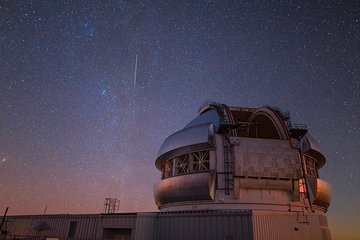
The Big Island of Hawaii is known for its natural attractions, from white and black sand beaches to emerald cliffs, misty valleys, and steaming lava fields. Most famous is the active Kilauea volcano in the UNESCO-listed Hawaii Volcanoes National Park, and Mauna Kea, the world’s tallest (but not highest) mountain, where the Mauna Kea Observatory boasts some of the world’s largest telescopes.

The Big Island of Hawaii is also famous for its Kona coffee. The 35-mile (56-kilometer) long Kona Coffee Belt is definitely worth driving if you appreciate scenery, and caffeine. This variety of coffee bean originated in Brazil, but when it was brought to Hawaii, it flourished. The fertile volcanic soil, higher elevations, and ample rainfall combine to create the perfect environment for growing coffee. Many farms offer guided tours. Of course, you can also just pull over and get a cup of this joe, which has serious chocolate notes, from a roadside stand.

Q:How many days do you need on the Big Island of Hawaii?
A:

Ideally, you should spend 6–7 days on the Big Island of Hawaii. If that’s not possible, aim for at least 4–5 days to see much of what the island has to offer. Try splitting your time between Kailua-Kona on the west side of the island, where you’ll find the white sand beaches of the Kohala Coast, and Hilo on the east, home to James Kealoha Beach Park where locals can be found snorkeling on the weekends.

Q:Is there a lot to do on the Big Island?
A:

Yes. There is much to see and do on the Big Island of Hawaii—even a week-long stay may not be long enough. From the peaks of Hawaii Volcanoes National Park to the Waipio Valley and from white sand beaches to the lush rainforest, the island is brimming with adventure opportunities and family-friendly activities.

Q:What should I not miss on the Big Island of Hawaii?
A:

One place that you should not miss on the Big Island of Hawaii is Hawaii Volcanoes National Park. It was designated an International Biosphere Reserve in 1980 and designated a UNESCO World Heritage Site seven years later. Why? For starters, it’s home to the extremely active volcano Kilauea. In fact, it’s not uncommon for areas of the park to be closed because Kilauea is spewing ash. The mighty Mauna Loa is also found here. It, too, is one of the world’s most active volcanoes. That said, the park offers hiking, camping, and even “eruption viewing.” If you plan on seeing the volcano summits, keep in mind that you may feel the altitude. The park tops out at 13,680 feet (4,169 meters).

Other unmissable attractions that make for memorable day trips include the Mauna Kea Summit and Observatory and the Waipio Valley, where tall cliffs plunge to a black sand beach. If you consider yourself a coffee aficionado, you should also have the Kona Coffee Belt on your Big Island of Hawaii bucket list.

If you like chasing waterfalls, make sure to stop by Akaka Falls State Park. It’s only 65 acres, so it’s not huge, but it does boast an impressive 442-foot (135-meter) waterfall, and there is a paved trail winding through the rainforest which makes for a nice hike or morning of birdwatching. You’ll also find beautiful flora including orchids and rainbow eucalyptus trees. They get their name for their brilliant array of colors. Even on a rainy day, it’s hard to be disappointed in a visit to Akaka Falls State Park.

The Hawaii Tropical Botanical Garden is worth checking out, too. These lush 17 acres are home to more than 2,500 species of plants, many of which you won’t find at home. Experience the tropical flora on your own, or book a guided tour. If you opt for the latter, your docent will tell you about the history of Hawaii over the course of two hours. At US$140 per person, guided tours aren’t cheap. But they do include water and bug repellent.

Q:Should I stay in Kona or Hilo?
A:

If you have a week on the Big Island of Hawaii, split your time between the two: four nights in Hilo and three in Kailua-Kona. If you have less time, opt for Kona as it has more accommodation options, better beaches, and easier access to the island’s main airport. Ellison Onizuka Kona International Airport at Keahole (KOA) is just 8 miles north of Kailua-Kona. It’s served by 10 airlines. You can even fly directly there from the US.
If you opt for Hilo, it’s convenient to fly into Hilo International Airport (ITO). However, it’s only served by Southwest and Hawaiian Airlines, so it may make more sense to fly into Kona and rent a car.

Q:How long does it take to drive around the Big Island?
A:

It takes up to eight hours to drive all the way around the Big Island of Hawaii. To drive between Kailua-Kona and Hilo, it typically takes just under two hours on the scenic Saddle Road, which offers views of lava fields and the Mauna Kea and Mauna Loa volcanoes.