
A Culture Lover’s Guide to Maui


Editor’s note: Lahaina remains in recovery after the 2023 Maui wildfires.
When starting to explore the art and culture scene on Maui, you’ll quickly find that it goes way beyond the typical art galleries, theater performances, and museums. There are certainly many of those to choose from, but Maui for culture lovers can offer a more specific focus on native Hawaiian culture, island culture, and the many immigrant cultures in the islands. Simply put, this cultural guide to Maui aims to make things easier for visitors to dip their toes into the complex cultural scene that exists on Hawaii’s Valley Isle.
1. Maui Arts & Cultural Center

The aptly named Maui Arts & Cultural Center is one of Maui’s best cultural attractions.
If you’re searching for Maui art and culture, there truly is no better place to start than the aptly named Maui Arts & Cultural Center (MACC) in Kahului. The venue regularly hosts local live performances of hula, comedy, music and everything in between. Even better, it’s the location of many of Maui’s biggest cultural festivals, including the Ki Hoalu Slack Key Guitar Festival in June and the Ku Mai Ka Hula Competition in September.
Insider tip: The MACC box office no longer sells tickets at the door, so be sure to purchase your tickets online and print them out or save them on your phone before visiting.
2. Ki Hoalu Slack Key Guitar Festival

Listen to the islands’ twist on traditional guitar playing at the Ki Hoalu Slack Key Guitar Festival.
Though Hawaii is more well-known for the ukulele, the islands have put their own spin on guitar playing as well with the slack key guitar. This distinctive method of guitar tuning and playing originated in Hawaii and is showcased at its best at Maui’s Ki Hoalu Slack Key Guitar Festival. Held each June at the Maui Arts & Culture Center, this completely free event welcomes slack key guitar masters to the stage and will have you mesmerized within minutes.
3. Ku Mai Ka Hula Competition

Watch hula masters at work at the Ku Mai Ka Hula Competition every September.
Also held at the Maui Arts & Culture Center, the Ku Mai Ka Hula Competition is arguably the most renowned hula competition on the island. Taking place every September, several adult halau (hula schools) from Hawaii, the continental US, and beyond compete in various categories of hula, including both kahiko (traditional) and ‘auana (modern). The competition also features a shopping section of sorts, which showcases locally made products from across the islands.
4. Makawao Stampede

Learn about and watch “paniolo” (island cowboys) go all in with the rodeo action in Makawao.
Formerly known as the Makawao Rodeo, the Makawao Stampede in Makawao puts paniolo (island cowboys) into the spotlight. The festivities often start with the Makawao Town Parade, which is then followed by a week of barrel racing, bronco riding and calf-roping, along with petting zoos, concerts and food eating contests. This paniolo-focused event takes place each year from the end of June through the beginning of July and is arguably one of the more unique cultural experiences on Maui.
Insider tip: There’s plenty of other cowboy and non-cowboy sights to check out in Makawao—take a pineapple farm tour, or check out some of the many art galleries in the area.
5. Alexander & Baldwin Sugar Museum

Take a step back in time at one of the best historical attractions on Maui.
For over a century and a half, sugar production was a big part of life in Hawaii. It’s a major reason for the diversity of the islands, thanks to the many immigrants from across the globe who came to work on the sugarcane plantations. While the last working sugar mill on Maui closed in 2016, this era of Hawaii’s history is well documented at the Alexander & Baldwin Sugar Museum. Its half-dozen exhibits cover everything from sugar’s impact on the land, the economy and the people in the islands.
Insider tip: The museum is open from Monday through Thursday, with the last admission at 1pm, and tickets for kids under five are free.
6. Iao Valley

Pay a visit to Iao Valley, where the Hawaiian Islands took a major step toward unification.
Long before Hawaii was the consolidated chain of islands it is today, each island was on its own, ruled by a separate alii (royal ruler). It wasn’t until King Kamehameha I ascended to the throne that the islands really stood a chance of becoming unified. But one of the most pivotal battles in this unification war, the Battle of Kepaniwai, took place at the beautiful Iao Valley. While today the valley is primarily visited for its natural beauty, there are signs that help visitors learn even more about the backstory and significance of this Maui cultural landmark.
7. Old Lahaina Luau

Spend an evening at the Old Lahaina Luau for one of Maui’s best cultural experiences.
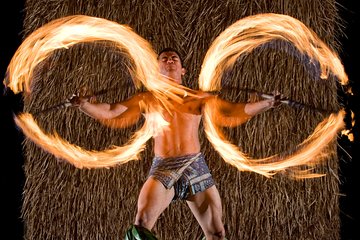
A luau is one of the easiest and most accessible ways to experience traditional Hawaiian culture on Maui—and the Old Lahaina Luau is consistently considered to be one of the best. Every guest is first greeted with a lei, followed by all sorts of entertainment including poi pounding, live ukulele music, and hula performances. Even the menu tries to stick with traditional Hawaiian bites, including puaa kalua (kalua pig) and kulolo (a type of taro-coconut pudding). This luau serves as a great introduction to native culture.
Insider tip: During booking, guests can choose between traditional Hawaiian seating (sitting cross-legged on cushions at low tables) or table-and-chair seating at a typical dining table. No strollers are allowed, but the space is accessible for wheelchairs.
8. East Maui Taro Festival

Learn all about taro, an ancient Hawaiian food staple, at the East Maui Taro Festival.
As the name implies, the East Maui Taro Festival is centered around taro, an ancient Hawaiian food staple. The edible root itself is used to make poi and kulolo, while the leaves are used to make luau (cooked taro leaves with seafood or pork). Today at the East Maui Taro Festival (which takes place every April), you can learn all about these traditional preparations, along with the innovative taro creations of today. Taro is more versatile than you might think—there are plenty of dishes to try!
9. Hale Hoikeike at the Bailey House

Dive deeper into native Hawaiian history and culture at Hale Hoikeike.
Featuring 2,000 ancient Hawaiian artifacts from pre-Western contact, Hale Hoikeike at the Bailey House is without a doubt one of the best Maui museums and galleries. Its collection of manuscripts and other historical items showcase Hawaii’s long and storied history, including rare objects such as a carved table thought to have once belonged to Queen Liliʻuokalani. Interestingly, the entire museum was built on what was once the royal compound of King Kahekili II, the last ali'i of Maui prior to Hawaii’s unification.
Insider tip: The museum’s hours are quite limited—only Tuesdays to Fridays from 10am to 2pm.
Book more things to do in Maui



Keep planning your Maui trip


