
A Culture Lover’s Guide to Egypt


Thanks to its long pharaonic past, Egypt packs a punch in the cultural and historical stakes. But with so many sights and activities to enjoy—everything from visiting the Giza Pyramids and Cairo museums and temples to graceful Nile cruise experiences—it’s easy to feel daunted by the choices. And even when you’ve seen the trophy sights of Cairo, Luxor, or Aswan, other cultural riches await.
Cue teeming bazaars, the parched scenery of the White and Black deserts, and the vibrant scuba-diving culture of Red Sea resorts such as Sharm el Sheikh. So whether it’s exploring Islamic Cairo, embarking on Egyptian history tours that enter Tutankhamun’s tomb, or sampling the country’s traditional cuisine that you're into, here’s our take on Egypt’s best cultural experiences.
1. Soak in the Giza Pyramids

Rewind the millennia at the majestic Giza Pyramids.
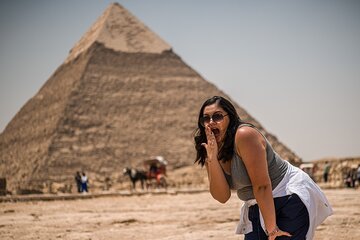
If you only have time for one Cairo cultural excursion, make it a pyramids of Giza tour. Rising from a plateau in the suburb of Giza, this UNESCO–protected site centers on three pyramids: the enormous Great Pyramid of Khufu and the smaller Pyramids of Khafre and Menkaure—all built an estimated 4,500 years ago.
Also here is the Great Sphinx, a mysterious statue of a human-faced lion. While visiting independently is possible, the easiest alternative is by private tour, which includes a guide’s narrative, and (typically) tickets and hotel transfers. If you're an avid historian, extend your tour to nearby Dahshur to see its timeworn Bent and Red Pyramids, Saqqara’s eons-old Step Pyramid, and Memphis’ relics of Egypt’s first capital.
Insider tip: While you can enter any Giza pyramid open on the day (ticket required), it’s worth considering an early-access tour that lets you into one of the tombs with your own Egyptologist guide for extra, up-close insight.
2. Visit Luxor’s ancient temples and sites

Wander the timeless tombs and halls of the ancients in Luxor, a top Egyptian cultural destination.
No Egypt travel itinerary is complete without visiting Luxor, the Nile-side city that was Thebes, the capital of the pharaohs. Here, the full cultural heft and artistry of ancient Egypt is on display. The Valley of the Kings sits across the Nile from the city and comprises the hieroglyph-decorated, underground tombs of Tutankhamun and other kings. Nearby is the astonishingly modern-looking Temple of Hatshepsut and Colossi of Memnon—all highlights of West Bank tours such as this one.
Top billing also goes to Karnak Temple, where you can almost hear the footsteps of Ramses II treading through the pillared halls, and the hugely atmospheric Luxor Temple. Time-pressed travelers can cover these epic sights with ease on any of the full-day guided private tours available.
3. Let the sights come to you on the Nile

Cruise to riverside relics and Nubian villages—plus see UNESCO–listed Abu Simbel—on the Nile.
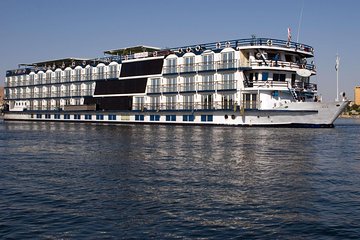
The segment of the Nile between Luxor and Aswan is an archaeologist’s paradise, boasting the highest concentration of timeworn sites of any part of the river. Multi-day Nile cruises from Luxor or reverse-journey sailings from Aswan carry you in leisurely grace along this “temple route” in anything from 3–5 days. You’ll stop to visit the beautiful Edfu and Kom Ombo temples—the latter beloved by art enthusiasts for its intricate reliefs—and Aswan’s Philae Temple and Unfinished Obelisk.
Serious history- and architecture-enthusiasts, meanwhile, shouldn’t miss a side trip to the Abu Simbel temples, whose giant rock statues gaze over Lake Nasser. You can also combine cruises with other Luxor and Aswan cultural attractions: perhaps riding a felucca or sailing to one of Aswan’s colorful Nubian villages?
4. Explore colorful bazaars and crafts

Egypt’s markets offer great glimpses into local culture and art.
Egypt’s markets offer a fascinating window into its centuries-old societal customs. Cairo’s labyrinthine Khan El-Khalili bazaar, with roots stretching to the 14th century, is a prime example. Here, vendors ply time-honored goods and crafts, and you can rummage through ceramics, textiles, lanterns, gold, and leatherware (and haggling with their mint tea purveyors is one of the top cultural experiences in Egypt).
Book a Cairo city tour that includes a bazaar visit, or peruse its wares with a guide on a dedicated shopping tour. Alternatively, in Luxor, join a shopping excursion around the city’s markets and factories to scout out souvenirs and watch artisans at work in papyrus-making and alabaster-carving demonstrations.
5. Delve into age-old Coptic and Islamic Cairo

Unpack hidden layers of history in Cairo’s oldest enclaves, the Coptic and Islamic districts.
Some of Cairo’s oldest—and most overlooked—cultural gems lie in its Coptic and Islamic districts. Both areas were built as religious enclaves, with the pre-Roman and early-Christian Coptic quarter bursting with ancient churches, and Islamic Cairo stuffed with medieval mosques and monuments. Naturally, culture buffs will love exploring both districts (happily, they sit near each other) on full-day tours that uncover their often-shared histories.
Roam quiet-laned Coptic Cairo to see highlights including the Hanging Church (originally constructed atop the Roman Babylon Fortress); the St. Sergius and Bacchus Church; and more. Most excursions then plunge into bustling Islamic Cairo to showcase the 12th-century Citadel of Saladin and Alabaster Mosque, giant Sultan Hassan Mosque, and Al-Muizz Street, an 11th-century thoroughfare replete with shops and medieval architecture.
Insider tip: Don’t miss the crypt at St. Sergius and Bacchus—it’s believed to have been a refuge for Christianity’s Holy Family (Mary, Joseph, and Jesus) during their flight into Egypt.
6. Scuba dive in the Red Sea

Marvel at one of the world’s most magical marine realms in the Red Sea.
Egypt’s Red Sea resorts have a unique and vibrant scuba diving culture. With their warm waters, kaleidoscopic reefs, and electric apres-dive haunts, the tourist hubs of Sharm el Sheikh and Hurghada are two of the world’s premier scuba destinations. Novice and expert divers can embrace this cultural zeitgeist courtesy of a huge and year-round choice of experiences (though the best time to visit Egypt for scuba is spring or fall).
Try things out on introductory PADI courses or take your pick of endless multi-dive boat trips for experienced divers. You could end up wafting through spectacular Ras Mohammed National Park, drifting over the reefs around Tiran Island, and spotting sharks, turtles, rays, and fluorescent fish amid shipwrecks and coral walls.
Related: Know Before You Go: Scuba Diving in Sharm el Sheikh
7. Explore the museums in Cairo and Luxor

Walk through the ages at vast collections of antiquities, whether you're in Cairo or Luxor.
The rich seam of relics served up by Egypt’s pharaonic heritage make the museums in both Cairo and Luxor unmissable. Book standalone tours or tickets to Giza’s dazzling Grand Egyptian Museum (GEM) to see its chiseled statues and glittering Tutankhamun artifacts. Then, for a further dose of ancient Egypt culture, take a Cairo-wide tour that visits Tahrir Square’s old Egyptian Museum, the grande dame of Egyptian art and archaeology.
Meanwhile, if you’re in Luxor, check out the ancient splendors on show at the Luxor Museum before learning about the ancient mummification process at the city’s Mummification Museum.
Insider tip: For history with a human face, head for Cairo’s National Museum of Egyptian Civilization, where you can gaze into the faces of Ramses II and other pharaohs in the haunting Mummies Hall.
8. Indulge in traditional foods

Try classic dishes for a slice of Egypt's authentic culinary culture.
Egypt’s cuisine is inextricably woven into its cultural fabric, and discovering it is a revelation for many. Plates here zing with flavors influenced by the country’s one-time Ottoman, French, and British occupiers. Taking a Cairo food tour or street food foray will help you avoid the tourist traps and find authentic eateries many tourists miss. Home-cooked koshary (a tasty blend of lentil, tomato, and chickpea) await, as do road-cart staples such as tameeya (fluffy, green fava bean–filled falafel).
Other gastronomic delights include Cairo home-cooking classes and shopping tours that incorporate foodie elements such as traditional lunch stops. Or break up your Luxor sight-hopping with a hands-on culinary workshop, learning from a home cook how to prepare staples such as feteer pastry and tender tagines.
9. Venture into the Western Desert and South Sinai

Discover silent desertscapes and Indigenous cultures in either the Western Desert or South Sinai.
The deserts of Egypt often fly under tourists’ radars, but they combine natural spectacle with snapshots of ancient nomadic culture. Escape Cairo’s tumult on multi-day Siwa Oasis itineraries to sample its Berber heritage and float in teal-hued lakes. Or journey via Bahariya Oasis to the shimmering White Desert and lunar-like Black Desert—most expeditions incorporate desert-camp nights and glimpses into the rugged Western Desert Berber life. Other trips include visiting the extraordinary, archaic whale fossils of UNESCO–listed Wadi Al-Hitan.
The desert also beckons from the Red Sea. Leave Hurghada on all-terrain-vehicle (ATV) safaris and sip tea with Bedouins. Or swap Sharm for the Sinai desert, enjoying ATV rides and Bedouin-style evenings or taking culture-rich trips to St. Catherine’s Monastery and Mt. Sinai.
Insider tip: St. Catherine’s Monastery can sometimes be subject to closure, so double-check its opening hours before booking tours.
Book more things to do in Egypt









Keep planning your Egypt trip


