
Tours and Tickets to Experience Hawaii Volcanoes National Park
55 results














What are people saying about Hawaii Volcanoes National Park


Hawaii Volcanoes National Park

Eruptive activity changes daily, so no two trips are the same.
You can buy Hawaii Volcanoes National Park tickets online or when you arrive. There are no entrance fees on select national holidays and interagency pass–holders visit for free.
Volcano tours get you close to the action, visiting popular sites such as Halemaumau Crater, the Kilauea Iki crater, and Devastation Trail.
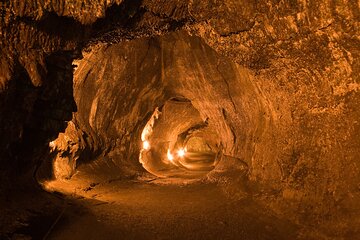
Bring a warm jacket for the brisk air at the 4,000-foot (1,200-meter) Kilauea summit. Pack a rain jacket for the lush environment around the Thurston Lava Tube.
Some guided hiking tours go through rugged terrain, and aren’t suitable for wheelchairs or travelers with limited mobility.
It's important to hike the area around Kilauea safely; consider traveling with a professional tour guide.
People Also Ask
There are plenty of ways to experience Hawaii Volcanes National Park. Looking at ratings and reviews previously given by customers, these are the best tours available right now.
- Big Island in a Day: Volcanoes, Waterfalls, Sightseeing, and History
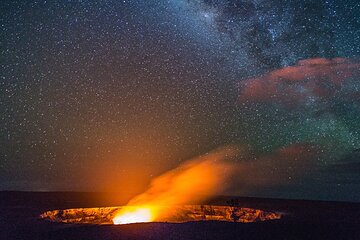
- Small Group Big Island Twilight Volcano and Stargazing Tour
- Big Island Highlights: Coffee, Volcano, Black Sands, and Waterfall
- Small Group Volcano Experience with Lunch and Restaurant Dinner
- Manta Ray Night Snorkel Experience of a Lifetime
To explore independently, you'll pay US$30 per vehicle, US$25 per motorcycle, and US$15 per pedestrian or bicyclist, each valid for seven days. Expert-led tours cover everything from sightseeing and waterfalls to night snorkeling. Tours range from US$100 to US$300, depending on the duration and activities.
Spring is the best time to visit Hawaii Volcanoes National Park. The winter crowds will have gone; the summer crowds won’t have arrived yet, and the weather is pleasantly cool (though often wet), making for ideal hiking conditions. However, you should avoid American spring break and Japanese Golden Week (end of April).
The best time to visit Hawaii Volcanoes National Park for volcanic activity is typically after dark when the lava flows glow. Come in the cooler months for clearer skies and better conditions for viewing eruptions. Group tours offer guided park exploration, including viewing lava and volcanic craters.
Hawaii Volcanoes National Park offers trails for all levels, from easy walks like the Sulphur Banks Trail to more challenging hikes like the Kīlauea Iki Trail. Whether you're looking for a stroll or a rugged adventure, there’s something for every type of explorer.
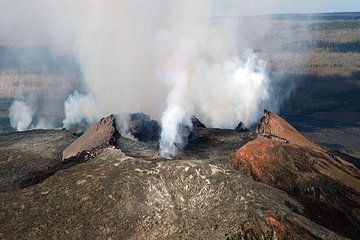
Yes. The Kīlauea caldera is one of the park’s main highlights. When conditions are safe, you can drive around the volcano's edge on the 11-mile (17-kilometer) Crater Rim Drive, offering views of the caldera, craters, and steam vents. Or take a guided tour that highlights the volcano’s impressive features.
Yes. Hawaii Volcanoes National Park offers camping options, including the Namakanipaio Campground. It sits amid eucalyptus and 'ōhi'a trees at an elevation of 4,000 feet (1,219 meters). The maximum stay is seven days. Campsites are first come, first served, but some reservations are available via Hawaii Volcano House.
From lava tubes to rain forest, there’s so much to see in Hawaii Volcanoes National Park that you need at least one full day. To take advantage of the many hiking opportunities (there are more than 150 miles of trails) plan for two or three days and spend a night in, or close to, the park.
Check the forecast and dress accordingly but expect changing weather. Make sure you have sun protection and, ideally, a waterproof layer in case of unexpected rain showers. Closed-toe shoes are a must. Sneakers should be fine if you’re only doing easy hikes but for longer walks on more rugged trails, wear boots.
No, hiking boots are not necessary to visit Hawaii Volcanoes National Park, but you should wear closed-toe shoes. If you stick to easy trails, you should be fine with trail running shoes but if you’re planning anything more adventurous, such as scrambling over lava, opt for a pair of hiking boots.