
Mauna Kea Summit and Observatory Tours and Tickets
13 results
Sort by: Featured




What are people saying about Mauna Kea Summit and Observatory
Geraldo_S, Jul 2026
Breathtaking Mauna Kea
Breathtaking experience!!
Our guide Wesley was amazing, two thumbs up!!!
He is very knowledgeable and respectful.
He made the tour exciting, informative and most of all…..he really considered more about our safety!!!
MAHALO NUI LOA!!!
Lori_J, Jun 2026
Summit Sunset
Chris was a fablous tour guide. We had an enjoyable trip to the summit. Safety was a great concern and the knowledgeable guide and the second guide were very e y knowledgeable about the stargazing part of the trip. Jackets were warm. The sandwich was OK, but that was it, no chips, cookies or fruit. (Advertised ad dinner)
Kathleen_P, May 2026
Breathtaking! Jeff excellent guide👍🏻
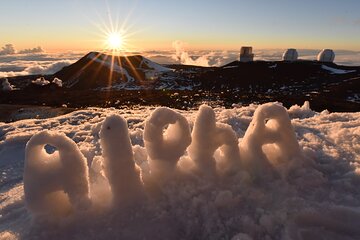
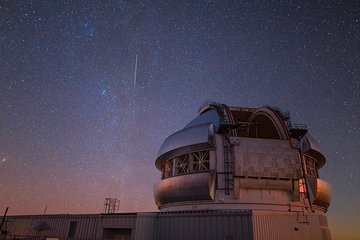
Gorgeous stars , incredible sunset at 14k ft and over clouds. All the telescopes, countries represented. Jeff our guide was amazing! Very knowledgeable about the island- the mountains the people, the “green”environment in f Hawaii, and so knowledgeable about the the stars and galaxies. And he always was checking on us for altitude impact- had safety first. Recommend tour and recommend Jeff 👍🏻
Peter_B, Jan 2026
Must do, tour highly recommended!!
A must do and the only place on earth to do it! You can rent a jeep and drive up yourself but it is very dangerous and I highly recommend this tour for safety and the experienced tour guide and extra benefits like parka jackets (it’s cold up there) and private star gazing. Most amazing night sky ever, never saw so many stars. And the sunset was the best. Definitely recommend doing as a tour not on your own in a rented 4x4!!
Mauna Kea Summit and Observatory

The hike from the information center is challenging and lengthy; expect 10 hours for the round-trip hike and be aware that the trail has no amenities.
The observatory information center is accessible to wheelchairs and strollers, but the hiking trail to the summit is not.
Wheelchair users can access the summit by 4x4 vehicle.
Camping is not permitted on Mauna Kea.
People Also Ask
What’s the best way to experience the Mauna Kea Summit and Observatory?
How much does it cost to visit the Mauna Kea Summit and Observatory in 2025?
Is there an age limit for visiting the Mauna Kea Summit?
What is the best time to visit the Mauna Kea Summit?
What can I do at Mauna Kea Summit besides stargazing?
What should I bring to a Mauna Kea Summit tour?
Can you tour Mauna Kea Observatory?
How cold is Mauna Kea summit?
Can you see the Milky Way from Mauna Kea?
More Tours in Big Island of Hawaii
Things to do near Big Island of Hawaii
More attractions near Big Island of Hawaii