
9 of the Top Inca Ruins in the Sacred Valley (and How To Visit)


Peru is renowned for its mysterious Inca ruins—and there’s no better place to see them than the Sacred Valley near Cusco, which was the beating heart of the Inca Empire. Things to do in the Sacred Valley include trekking to UNESCO–listed Machu Picchu, visiting a wealth of traditional villages, and soaking up stunning panoramas of the Andean highlands. But Machu Picchu isn’t the only glimpse you’ll get into ancient Inca civilization: Explore these must-see Inca archaeological sites in the Sacred Valley when visiting Peru.
1. Machu Picchu

Experience this iconic world wonder.
No self-respecting list of Inca ruins in the Sacred Valley would leave off this world-famous archeological site. When the clouds part to reveal the Andean peaks surrounding this iconic Inca citadel, you’ll see exactly why it’s both a UNESCO World Heritage Site and one of the New 7 Wonders of the World.
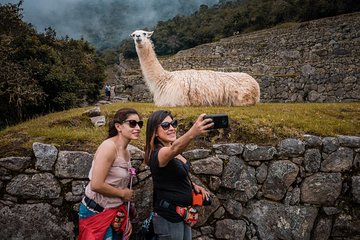
Besides being the ideal place to snap a selfie with a llama, Machu Picchu offers some incredible hiking. This 4-day hike along the original Inca Trail is a rewarding and remarkable way to access this incredible place and grants you access to Machu Picchu for sunrise. But if you’re short on time and aren’t up for tackling steep stone staircases, this day trip from Cusco helps you make the most of limited time.
2. Pisac Archeological Park

A veritable buffet of Inca ruins.
Pisac Archeological Park has it all. With its aqueducts, terraces, gates, roads, waterways, and even cemeteries, Pisac offers a veritable buffet of Inca ruins. Plus, it’s closest to Cusco but furthest from Machu Picchu, so Pisac Archeological Park is ideal if you’re short on time and want to beat the crowds that gather at Sacred Valley’s most famous archeological site. Excursions from Cusco typically combine Pisac’s ruins with the rainbow-colored Pisac Indian Market, one of the most famous artisan craft markets in the Cusco region. You can also visit the nearby Pisaq Potato Park, a social justice agricultural project on Andean slopes.
3. Tambomachay

Discover Inca symbolism in water.
Water was a sacred element for the Incas, so archeologists believe that this Sacred Valley ruin was reserved for royalty. Highlights include the intricate water channels that showcase the engineering prowess of the Incas.
Tambomachay is one of the highest and least-known Inca ruins in the Sacred Valley, so you’re likely to feel like you have it all to yourself. Tambomachay is a staple of half-day tours of four historical Inca sites in Peru, which typically combine with other hidden gems such as Sacsayhuaman and Qorikacnaha.
4. Agricultural Terraces of Moray

Inca farmers were an innovative bunch.
Tucked away in a secluded corner of the Sacred Valley, the Agricultural Terraces of Moray are a complicated system of terraces and irrigation aqueducts the Incas used to grow more than 250 different types of vegetables. Not only are these concentric circles gorgeous to wander around and snap pictures of, but they also shed light on why the Incas are considered some of the world’s most innovative farmers.
Most visitors combine a trip to the terraces with an excursion to the nearby salt pools of Maras, but adventure junkies may prefer to do an off-road ATV tour of Moray.
5. Puka Pukara

A military Inca citadel.
Meaning ‘red fortress’ in Quechua, Puka Pukara (sometimes spelled Puca Pucara) is an Inca storage complex. While it's much smaller than some other Sacred Valley Inca ruins, the sweeping views of the Andean highlands make this destination worth visiting. Puka Pukara served as a military control center for the Incas, so it’s ideal for travelers with an interest in military history. One of the best ways to admire the vistas is on a horseback riding tour that also covers Tambomachay and Sacsayhuaman.
6. Sacsayhuaman

Admire this massive stone wall structure.
A strategic military fortress during the 14th-century battle with the Spanish for the Inca Empire, Sacsayhuaman (Saqsaywaman) is a must-see Inca archeological site for history buffs. Because of the significant role it played in ancient history, it’s been compared to the Colosseum in Rome.
Highlights of the site include the towers equipped with aqueducts, a temple used for religious rituals and sacrifices, and an Inca throne. The scattered ruins are best explored alongside a guide on an archeological tour, who can bring the history of this important Inca stronghold to life with stories and historical anecdotes.
7. Salt Pools of Maras

Snap your selfies here.
Arguably one of the most photogenic Inca civilization remnants, the Maras Salt Pools take the form of geometric shapes carved out by the Incas more than 2,000 years ago. Today, the 5,000 rainbow-colored pools are still harvested for their salt and are owned by local Sacred Valley families. Pose for as many pictures beside the pools as you like on private Sacred Valley tours, which tend to combine the pools with the nearby Agricultural Terraces of Moray.
While it’s often overlooked by travelers rushing through the ruins of the Sacred Valley, the town itself of Maras is worth a visit for picking up salt as a souvenir or exploring the quaint 17th-century colonial church.
8. Ollantaytambo Ruins

Explore this important site en route to Machu Picchu.
The Inca equivalent to the White House, Ollantaytambo represents the former administrative center of the Inca Empire. The ruins also serve as a gateway to Machu Picchu, featuring a train station that takes you directly there. Its temples, thrones, and terraces aren’t the only draw—from here, you can soak up views of the snow-capped Andean peaks of Verónica, Chicón, and Sahuasiray.
But before you rush off to one of the New 7 Wonders of the World, delve deeper into the lifestyle and landscapes of the Incas on a tour of the top Sacred Valley sites. Some Machu Picchu 2-day excursions often include a brief tour of Ollantaytambo, thanks to its proximity to the train station.
9. Q’enqo

A maze of Inca ruins.
Smothered in elaborate Inca carvings, the archeological site of Q'enqo (Qenko) towers 12,000 feet (3,600 meters) above sea level—which is high even for Sacred Valley standards. This maze-like Inca ruin (its name translates as labyrinth from Quechua, after all) boasts secret chambers and crooked canals and is believed to have been used as an astronomical observatory.
Its convenient location on the outskirts of Cusco makes it easy to visit even in limited time, as half-day trips typically combine the Incan ruins with a city tour of Cusco for an in-depth introduction to Peru's Inca heritage.
Book more things to do in Cusco








Keep planning your Cusco trip


