Totora boat on the Titicaca lake near Puno, Peru

Things to do in  Puno

Ancient traditions by the lake

Hailed as the birthplace of Inca civilization, Puno is a traditionally Peruvian city perched on the shores of Lake Titicaca—the world’s highest navigable lake. Folkloric tradition is everywhere in this lakeside city, where crumbling colonial buildings serve as the backdrop to brightly colored costumes and energetic dances dating back to Inca times. Top things to do include exploring the islands of Titicaca—straight from the pages of a fairy tale, the Uros Islands are made entirely from reeds, while the island of Taquile harbors the region’s rich weaving heritage.

Top 8 attractions in Puno

Top activities in Puno

All about Puno

Local Currency
Peruvian Sol (PEN)
When to visit

Puno’s extreme elevation—it sits at 12,555 feet (3,827 meters) above sea level—means it has a cool, refreshing climate year-round. The warmest time to visit is in November and December, however these more humid months get regular downpours. For clear skies and conditions ideal for hiking around Lake Titicaca, arrive April–October. To see the city at its most celebratory, visit at the start of February for the Festivity of the Virgin of Candelaria, in honor of Puno’s patron saint.

Getting around

The city of Puno itself is easy to explore on foot, particularly the compact downtown area. There are plenty of taxis at the bus station—into which buses from Lima, Cusco, and La Paz and Sucre in Bolivia arrive—but it’s only a 10-minute walk from downtown. Boats out to Lake Titicaca and the islands of Uros and Taquile depart from dawn until dusk from Puno Harbor.

Traveler tips

A short boat ride away on the Bolivian side of Lake Titicaca, you’ll find the magical Sun Island (Isla del Sol). Characterized by the rugged, dramatic landscapes typical of Titicaca, this tiny island features almost 200 pre-Columbian ruins and terrain ranging from sandy beaches to mountain peaks. There are plenty of guesthouses, and it’s worth staying overnight to see the spectacular sunset over the lake.

en
58131a1d-0f7f-4440-a2f8-2e2a65ee8bc0
attraction_list
People Also Ask
Q:Is it worth visiting Puno?
A:

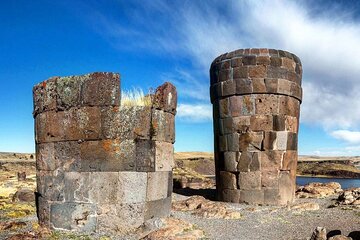
Yes, it is worth visiting Puno—the city is on the shores of the world's highest navigable lake, and it’s a rich cultural hub. It serves as a convenient launchpad for exploring Lake Titicaca and islands such as Uros, Taquile, and Sol, plus archeological sites such as the Sillustani Tombs.

Q:How do you spend a day in Puno?
A:

With one day in Puno, head first to the Cathedral of Puno and grab breakfast at a main square café. Then, head to the harbor to take a boat to the Uros Islands, made entirely of reeds. Spend the afternoon exploring Sillustani Tombs, dating back to AD 500.

Q:How many days should I spend in Puno?
A:

Spend at least two days in Puno—longer if you’re coming directly from a lower altitude town or city, to allow for time to acclimatize. Two days lets you experience the city’s gritty charm and explore the Inca and pre-Colomnbian sites and sail to the islands that dot the lake.

Q:Is Puno or Copacabana better?
A:

That depends on what you’re after. Puno is a larger city with a better infrastructure for exploring Lake Titicaca; it’s easier to reach Uros and Taquile from here. Copacabana in Bolivia is a smaller town with a hippie, laid-back atmosphere and is best if you want to explore Sun Island.

Q:How do I get to the floating islands from Puno?
A:

Boats depart for the floating islands of Lake Titicaca from Puerto Puno (Puno Harbor) daily from early morning throughout the day—it’s a 20-minute boat ride. The easiest way to explore is on a guided tour, as these take care of transport between each island and provide cultural context.

Q:What should I wear to Lake Titicaca?
A:

Lake Titicaca has a cool climate, and the temperature drops even more at night. Bring layers, as it can feel hot when you’re in direct sunlight—the high altitude makes sunscreen and a hat even more important. A fleece jacket will be your best friend in the chilly evenings.