Things to do in Uluru

Things to do in  Uluru

The spiritual heart of Australia

Smack in the middle of the Australian Outback is a truly massive hunk of rock—and one of the country’s most iconic landmarks: Uluru. Also known by its Western name (Ayers Rock), the sandstone monolith is the top draw in the vast, desert expanse of the Red Centre. The sacred sight magnetizes travelers eager to see a truly ancient edifice (it’s thought to have started forming 550 million years ago) and its daily light shows: The rock appears to change color—from charcoal to purple to crimson to ochre—with every sunrise and sunset. Some of the best things to do in the area include helicopter rides, camping, and walking the base of Uluru with an Indigenous guide.

Top 15 attractions in Uluru

Top activities in Uluru

All about Uluru

Local Currency
Australian Dollar (A$)
When to visit

Uluru is right in the middle of the Northern Territory desert and experiences a typical outback climate: scorching hot, wet summers and dry, mild winters with warm days and cold nights. Most travelers will find it more comfortable to visit during the cooler months, between May and September. Summers have their own charm, however, as heavy rain and storms fill waterholes and create waterfalls on Uluru’s rock face. As most activities around Uluru are outdoors, avoid the heat of the day in any season.

Getting around

You’ll need your own vehicle to get around Uluru and the surrounding Uluru-Kata Tjuta National Park; most travelers pick up a rental car at the airport unless they’re on a cross-country road trip. The roads around Uluru are all sealed, so there’s no need for a 4-wheel drive for regular on-road sightseeing. If you don’t want to rent a car, guided tours and a hop-on hop-off bus service fill the gap, but there’s no other public transport in the area.

Traveler tips

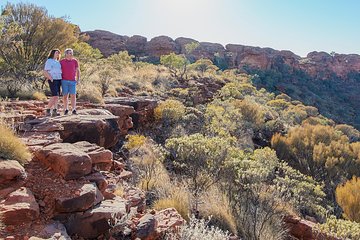
While Uluru is the most famous monolith in this part of Australia, it’s by no means the only interesting rock formation. Don’t miss the red domes of Kata Tjuta (also called the Olgas) in the Uluru-Kata Tjuta National Park, hiking in Kings Canyon in Watarrka National Park, or taking a 4-wheel-drive tour to Curtin Springs to check out flat-topped Mount Conner.

en
5681d0f9-ef64-4bf8-9bfb-63a0e676bb68
attraction_list
People Also Ask
Q:Why is Uluru so special?
A:

Uluru, a UNESCO World Heritage site, is one of Australia’s most iconic landmarks. To the Pitjantjatjara (the Aboriginal people of the area, known as the Anangu) who are the traditional custodians of the rock, Uluru is a sacred cultural landscape and the resting place for the ancestors’ spirits.

Q:What can visitors do when they visit Uluru?
A:

Visitors can walk or take a camel tour around Uluru’s base—a popular time to do this is at sunrise or sunset, when the sun creates a dazzling display of shifting colors on the rock. Alfresco dinner at sunset is another popular activity.

Q:How many days do you need in Uluru?
A:

Three days is the perfect length of time to spend exploring Uluru and its surroundings. That gives you enough time to see it at both sunrise and sunset; visit the cultural center; see the Kata Tjuta rock formations; and add in a couple of special activities such as a camel ride, helicopter tour, or sunset dinner.

Q:Why isn’t Uluru called Ayers Rock anymore?
A:

Ayers Rock was a name imposed by Europeans in the 19th century, but the Pitjantjatjara people had used the name Uluru for thousands of years prior to that. When Uluru’s land was returned to the Pitjantjatjara people in 1985, the name returned as well.

Q:What are you not allowed to do at Uluru?
A:

You are not allowed to climb Uluru. This is a sacred site with deep cultural meaning for Aboriginal people, who consider climbing on it to be deeply offensive. People were climbing on Uluru for many years until it was finally banned in 2017.

Q:Where do I go after Uluru?
A:

After you’ve experienced Uluru, you should visit the 36 giant rock domes of Kata Tjuta, a 30-minute drive from Uluru. Other activities to consider include hiking around Kings Canyon in the Watarrka National Park; exploring Finke Gorge National Park; and bushwalking in the MacDonnell Ranges.