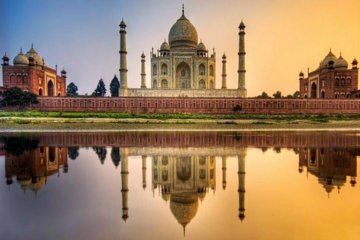
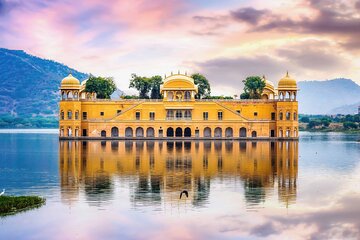

View of Palace of the Winds in Jaipur, Rajasthan

Things to do in  Rajasthan

A touch of spice

India’s largest state in territory, Rajasthan, is known for its vibrant crafts and textiles, stunning Rajput architecture, and sweeping desert landscapes. You’ll find plenty of things to do in Rajasthan to hold your interest, ranging from Pushkar’s rowdy camel fair and the famed quartet of color-named cities: Jaipur, Rajasthan’s Pink City (and part of the Golden Triangle tourist route alongside Delhi and Agra); the Blue City of Jodhpur, known for its towering Mehrangarh hilltop fortress and Umaid Bhawan Palace; dreamy, lakeside Udaipur, known the White City; and the Golden City of Jaisalmer, with its sandstone buildings and fort.

Top 15 attractions in Rajasthan

Top activities in Rajasthan

All about Rajasthan

Local Currency
Indian Rupee (₹)
When to visit

The busiest tourist season in Rajasthan stretches roughly from November to early spring when the days are pleasantly warm. Most major events are held during this period, from the Pushkar Camel Fair (November) and Jaipur Literature Festival (January) to the Jaipur Elephant Festival in March, where you can see a procession of bejeweled and costumed pachyderms plus folk music and dance. May tends to be the hottest month, with temperatures reaching more than 110°F (45°C).

Getting around

Many travelers reach Jaipur by car, taxi, or bus from Delhi. If coming from elsewhere in India, you can arrive by plane. Jaisalmer, Jodhpur, Bikaner, and Udaipur also have their own airports, and domestic flights in India tend to be reasonably priced—but remember that the state is vast (it’s about the size of France!), so you’ll likely have long distances to cover all the things to do in Rajasthan. Otherwise, road travel is easy, thanks to the flat terrain and good road conditions. More adventurous travelers can get around by train or motorbike.

Traveler tips

Make sure to come to Rajasthan with an extra suitcase. This is a bonafide crafts hub, from Rajasthani miniature paintings—an artform that flourished during the Rajput period—and block-printed fabrics (be sure to visit the Anokhi flagship store in Jaipur, as well as the Anokhi Museum) to the state’s centuries-old tradition of hand-painted wooden string marionettes and Jaipur’s intricate blue pottery. Prefer to look and learn rather than just buy? Arrange a visit to an artisan’s studio.

en
8e77b9f6-9e89-434b-8ceb-1c195c4629a3
attraction_list
People Also Ask
Q:Which is better, Udaipur or Jaipur?
A:

If you prefer more buzz and excitement or only have a few days to spare, Jaipur—home to attractions like Amber Fort (a UNESCO World Heritage Site), Jantar Mantar, the Hawa Mahal, and Nahargarh Fort—is your best bet. If you’re more in the mood to chill out in a converted palace-cum-hotel overlooking Lake Pichola, go for Udaipur.

Q:What is Rajasthan’s most famous food?
A:

Staples of Rajasthani cuisine include laal maans, a spicy mutton curry; the popular dal bati churma (made from baked wheat balls, lentils, and ground wheat cooked with ghee and sugar); and the sweet porridge known as doodhiya kheech that is believed to have originated in Udaipur. Top it all off with a milky, rose-infused glass of thandai.

Q:How many days do you need in Rajasthan?
A:

That depends. If you’re coming to Jaipur as part of the Golden Triangle circuit, a few days is enough. But plan on a week or even two if you’d like to visit several cities; Ranakpur Jain and other outlying temples; historic gems such as the Mehrangarh Fort, Jaisalmer Fort, and Chittorgarh Fort; parks and reserves including the Sariska Tiger Reserve, Keoladeo National Park, and Ranthambore National Park; and possibly a desert safari across the Thar Desert or excursion up Mount Abu or the Aravalli Hills.

Q:What is the language of Rajasthan?
A:

Rajasthan is located in the northern Hindi-speaking part of India, known as the Hindi Belt. Hindi is the state’s official language, but plenty of people speak Rajasthani and its various dialects. Luckily for many foreign travelers, English is also widely spoken—but it doesn’t hurt to learn a few words of the local language.

Q:Is Rajasthan safe for female travelers?
A:

Yes. Rajasthan is known for its welcoming communities; many women travel solo through the state. That said, you’ll always want to exercise basic precautions, especially if going out alone at night, e.g., arrange a taxi through your hotel. Solo female travelers should also be careful when taking overnight trains or buses.

Q:What are do’s and don’ts in Rajasthan?
A:

Rajasthan tends to be more traditional than Delhi or Mumbai, so it’s a good idea to dress conservatively—you’ll find plenty of loose cotton clothes to wear. As elsewhere in India, remove your footwear before entering a Hindu temple. And don’t assume the state is only desert; you’ll also find plenty of greenery and freshwater lakes.