

View overlooking Porthminster Beach in St Ives, Cornwall

Things to do in  South West England

Quintessential countryside

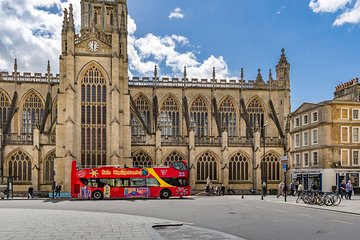
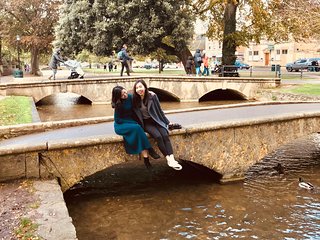
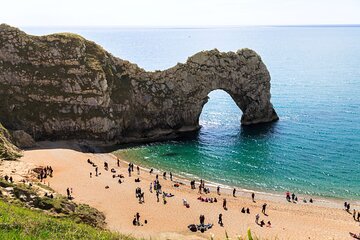
No matter what kind of trip you’re in the mood for, you’ll find plenty of things to do in South West England. The region is home to Stonehenge, among England’s most iconic attractions, and the less globally famous but still archaeologically significant standing stones at Avebury. Other South West attractions include the cathedrals of Wells and Salisbury, the Roman spa ruins at Bath, the beaches and fishing communities of Cornwall, and the storybook villages of the Cotswolds.

Top 15 attractions in South West England

Top activities in South West England

All about South West England

Local Currency
British Pound (£)
When to visit

The best time to visit South West England is between late spring and early autumn when the weather is warmest and driest. Music lovers flock to the region in late June for the annual Glastonbury Festival, which takes place in Somerset. Late July and August can get crowds when the chances of sunny days are high, and children are out of school for the summer.

Getting around

South West England is well connected by rail, and towns and cities without railway stations are connected by coaches, many operated by First Bus and regional companies. Still, the best way to explore this part of England is by car, and having your own vehicle (or hiring a car with a driver) will give you quicker and easier access to smaller countryside communities.

Traveler tips

South West England is known for its cider industry, and Somerset, in particular, is a great place to go cider tasting. For a traditional experience, head to Wilkins Cider Farm in the village of Mudgley, less than an hour's drive south of Bristol. Here you can sample and buy traditional farmhouse cider from cidermaker Roger Wilkins and pick up locally-produced cheese and produce while you’re at it.

en
af3c8515-2b5f-4bc4-ac38-f8c966fa21b0
attraction_list
People Also Ask
Q:What is South West England famous for?
A:

South West England is famous for its pretty villages, grassy expanses of countryside, and scenic coastlines. Famous regional foods include Cheddar cheese, Devonshire (clotted) cream, Cornish pasties, and cider. The region’s most famous attractions include Stonehenge, the Eden Project, and the UNESCO World Heritage city of Bath.

Q:What is the southwest of England called?
A:

The southwest of England is officially called South West England, but many people use the term “the West Country” synonymously. However, some people consider Herefordshire part of the West Country, but the county is part of the West Midlands and not part of South West England.

Q:What are the top attractions to visit in South West England?
A:

South West England's best-known attraction is Stonehenge. It's near Salisbury, home to one of England's most magnificent cathedrals, and just a short distance from another standing stone collection in Avebury. Other popular attractions in the region include the Roman Baths in the aptly named city of Bath and the gargantuan Wells Cathedral in Wells.

Q:How many days do you need in South West England?
A:

While it’s easy to spend a week or longer in South West England, you’ll need at least three or four days to check out popular cities such as Salisbury, Bath, and Bristol and still have time for some countryside strolls in Somerset or some seaside relaxation in Dorset and Cornwall.

Q:What does South West England include?
A:

While many people think of South West England as synonymous with the counties of Somerset, Dorset, and Devon counties, the region also includes Cornwall (including the Isles of Scilly), Wiltshire, and Gloucester. Popular destinations in the area include Bristol, Bath, Wells, Plymouth, Dorchester, Exeter, Tavistock, Taunton, Yeovil, Glastonbury, Penzance, and St. Ives.

Q:What is the accent of South West England?
A:

There's not one single accent in the South West, and you'll find plenty of variety, particularly when you get into rural areas and down into Cornwall. One key marker of many West Country accents is that they are non-rhotic, meaning that people pronounce a hard “r” at the end of words.