Things to do in Fairbanks

Things to do in  Fairbanks

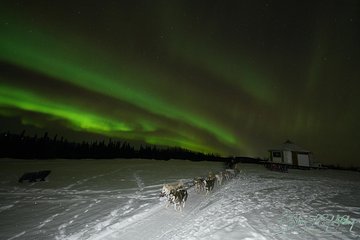
Northern lights and midnight sun

Alaska’s gateway to the Arctic Circle, Fairbanks offers a lot more than its urban sprawl might initially suggest. Seemingly endless summer days (it’s not called the Land of the Midnight Sun for nothing) are best spent panning for gold, floating or fishing along the Chena River, and hiking in the nearby White Mountains National Recreation Area. Come winter, northern lights expeditions, road trips along the Dalton Highway to the Arctic Circle, and snow sports like ice fishing, dog mushing, and cross-country skiing top the list of the most popular things to do.

Top 15 attractions in Fairbanks

All about Fairbanks

Local Currency
US Dollar ($)
When to visit

Few spots rival Fairbanks in offering such disparate experiences across the calendar. From about mid-May through late July, there’s nothing but sunlight. Temps are reliably warm, and activities include midnight golf, kayaking, hiking, and more. In winter, it’s not completely dark, but it’s close. You’ll spend your days dogsledding, chasing northern lights, and enjoying hot springs. When to visit Fairbanks depends on what you want to experience.

Getting around

Despite Alaska’s general lack of roads, Fairbanks is indeed built for cars, and most visitors rent one to get around, especially outside the city limits. Still, if you don’t have one, you can get around via taxi—you’ll have to call—or the city’s bus system (MACS). If you’re okay with sticking to far-flung places, you might be okay with just the train. Picture ultra-scenic rides to spots like Denali National Park, Anchorage, and the like.

Traveler tips

Don’t write off a winter trip to Fairbanks. You’ll get far fewer crowds, lower prices, and unique experiences—imagine yourself sitting in a thermal pool at Chena Hot Springs and watching the auroras glitter overhead. You’ll also get the opportunity to snowmobile across the silent forest, dogsled with huskies, and catch Denali National Park crowd-free. Just keep in mind vehicle access to the park is limited and make sure your rental car has 4WD.

en
ced33682-a9d7-41c6-a8bc-a032de0d1f96
attraction_list
People Also Ask
Q:What is Fairbanks, Alaska, known for?
A:

Fairbanks, Alaska, is well-known for being the only hub city in Alaska’s interior, offering the best access to the Arctic Circle via the Dalton Highway. It’s also well-known for being home to some of the best northern lights viewing in the world, bar none, thanks to its position in the auroral oval.

Q:How do I spend a day in Fairbanks, Alaska?
A:

That depends on a lot of things—namely what you want to do and the season. During the summer, take advantage of the great weather and long days and go for a hike on the Wickersham Dome or Angel Rocks trails. During the winter, visit Chena Hot Springs and stay up late to view the northern lights.

Q:How far is Arctic Circle from Fairbanks, Alaska?
A:

The Arctic Circle is 196 miles (315 kilometers) north of Fairbanks, Alaska, by car (that’s about six hours). It’s 140 miles (225 kilometers) by air. Tours that travel up the Dalton Highway—the only road into the Arctic Circle, mostly utilized by truckers—cross the invisible line at mile marker 115, where there’s a rest stop, campground, and Arctic Circle Monument sign.

Q:What is there to do in Fairbanks, Alaska, at night?
A:

Sitting within the auroral oval—a ring above Earth’s geomagnetic north pole—Fairbanks is famous for its reliable northern lights viewing from August to April. Though you can sometimes spot the northern lights from the city proper, your best bet is to head toward the darker outskirts on a clear night.

Q:What is there to do in Fairbanks, Alaska, in the summer?
A:

As the “Land of the Midnight Sun,” Fairbanks has lots to do on long summer days. With the sun barely setting, you could go on 9pm hikes to Wickersham Dome, take the Alaska Railroad to Denali National Park, visit Chena Hot Springs, see the Trans-Alaska Pipeline System, and more.

Q:How often are northern lights visible in Fairbanks?
A:

From August to April—when the sky is clear and dark—the sky above Fairbanks dances with the northern lights roughly 80 percent of the time, or four out of every five nights. Most visitors prefer fall viewing, as you get the aurora experience combined with warmer temperatures and sunlight during the day (not a given in winter).