
El Cajas National Park Tours and Tickets


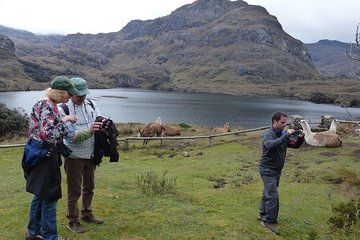


What are people saying about El Cajas National Park
Bryniah_C, Jul 2026
Our experience with Luis...
Our experience with Luis was amazing! This was our first time doing a hike like this and he made it incredibly enjoyable! Amazing views & an awesome lunch to finish it out!
Grace_K, Jul 2026
Thank you Edison!
Edison was a wonderful guide! By the end of the hike he felt like a friend. He’s extremely knowledgeable about the plants, animals, geology, and folklore of the areas. Absolutely would recommend!
Daren_B, Jul 2026
Our guide, Moses, was...
Our guide, Moses, was excellent. He was friendly and informative and knew many of the plants and wildlife we encountered on our hike. We appreciated his pace with breaks as needed, while still finishing the hike a little early, which left time to visit a museum back in Cuenca. Fantastic experience and an excellent guide!
Anne_F, Jul 2026
Great day at Cajas National Park.
Our guide Eddie was excellent! He drove us safely to the park, led us on a great hike, and made the whole experience enjoyable and stress-free. He was friendly, knowledgeable, and made sure everyone had a great time. Highly recommended!
El Cajas National Park

- Save money with a small-group tour of the park, or enjoy a more flexible itinerary with your own private guide.
- Remember to wear sturdy hiking boots, and dress in layers, as temperatures can vary significantly throughout the park.
- The park sits 13,000 feet (4,000 meters) above sea level; give yourself time to acclimate to the altitude before visiting the park.
People Also Ask
What’s the best way to experience El Cajas National Park?
How much does it cost to visit El Cajas National Park in 2026?
What is the best time of year to visit El Cajas National Park?
Can I hike in El Cajas National Park without a guide?
What wildlife can I see at El Cajas National Park?
Is El Cajas National Park accessible?
More Tours in Ecuador
Things to do near Ecuador
More attractions near Ecuador