Things to do in Manaus

Things to do in  Manaus

Concrete jungle > jungle

Manaus is often the jumping-off point for travelers en route to the Brazilian Amazon. But, don’t think of this city as only a pit stop. There are plenty of things to do in Manaus that warrant a stay, from visiting landmarks like the Amazonas Opera House to wandering through markets selling goods harvested from the river and the jungle. Also, be sure to check out the “Meeting of the Waters” at the edge of a city—a multicolored spectacle where the Rio Negro and the Solimões rivers run into the Amazon.

Top 15 attractions in Manaus

Top activities in Manaus

All about Manaus

Local Currency
Brazilian Real (R$)
When to visit

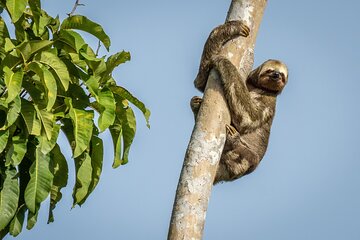
Because Manaus is located in the center of the Amazon Rainforest, the weather here is often rainy or muggy. You can avoid the worst of the rain, humidity, and heat by visiting during the dry season, between July and December. This time of year is more pleasant for hiking and also offers other benefits: low water levels also mean it’s easier to spot wildlife in the rivers, and there are more birds and fewer mosquitoes.

Getting around

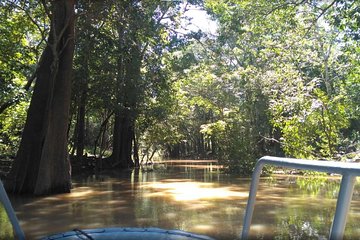
Tackling the congested roads of this sprawling metropolis can be challenging for visitors. There is an extensive network of public buses, but they can be tricky for non-Portuguese speakers to navigate; taxis may be a safer bet. You can also opt for a more interesting way to get between the city’s attractions (or head into the rainforest): hopping on the area’s many ferries and river boats.

Traveler tips

The Teatro Amazonas is an architectural marvel and the heart of Manaus’ cultural life. If you want a closer look at this opera house, which was built at the height of the rubber trade, you can book a guided tour. You should also try a steaming bowl of tacacá, a potent soup, from one of the city’s many street vendors (tacacazeiras). This dish is made with tucupi, the acidic juice of the wild manioc root (which is poisonous when raw) and is served piping hot in a cuia gourd.

en
456238a2-642b-47d4-88ce-e8d7d018d1b1
attraction_list
People Also Ask
Q:What is Manaus known for?
A:

The Amazon’s largest city, Manaus is best known as the gateway to the world’s largest rainforest. Although it is typically considered a jumping-off point for Amazonian adventures, it has its own appeal with good beaches, interesting museums, and beautiful architecture such as the Opera House.

Q:Does Manaus have a beach?
A:

Yes. Manaus has several good beaches. The most popular is Ponta Negra, which has a children’s playground, cycling paths, volleyball courts, and a large amphitheater for live performances. The white sand beach of Praia da Lua is also worth a visit, as is Praia do Tupe, which has calm, kid-friendly waters.

Q:What is a popular food in Manaus?
A:

Fish is ubiquitous, but a bowl of tacacá (a local soup), is the signature dish of Manaus—buy one from one of the city’s many street vendors (tacacazeiras) in the late afternoon. Made with tucupi, the acidic juice of the wild manioc root, tacacá is traditionally served steaming hot in a cuia gourd.

Q:How long does it take to get from Manaus to the Amazon rainforest?
A:

It depends how deep you want to go into the Amazon rainforest, but, you would need to book a boat trip of at least three days to get to see virgin forest and the wildlife for which the rainforest is famous. Boat tours from Manaus typically last three to seven days.

Q:Are there favelas in Manaus?
A:

Yes. A large portion of Manaus' population live in favelas, clusters of precarious, informal dwellings that stretch from the downtown area down to the river. Due to potential personal safety issues, it is not recommended that visitors to Manaus venture alone into these areas.

Q:Is Manaus safe for tourists?
A:

Yes. Manaus is generally safe to visit. However, like many Brazilian cities, it has a high crime rate. It's recommended that you stick to tourist areas and keep your wits about you. Like in any major city, avoid carrying lots of cash and to stick to well-lit, highly-trafficked areas after dark.