Things to do in Gran Canaria

Things to do in  Gran Canaria

A continent in miniature

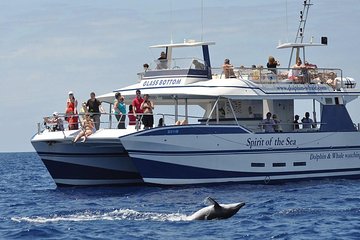
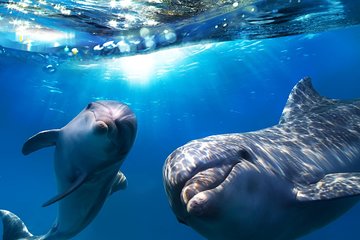
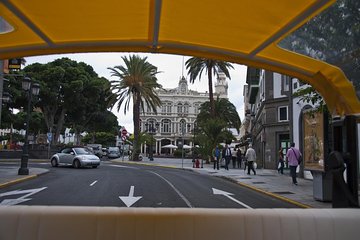
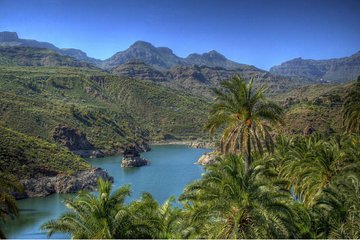
If you struggle to answer the age-old question of "beach, mountains, or city?" Gran Canaria might be your perfect fit. The third-largest of the Canary Islands packs all three into one island, along with desert dunes, volcanic craters, and bands of lush rainforest. The best things to do in Gran Canaria are equally varied. After a walking tour of the city of Las Palmas' and its UNESCO-listed Old Town, hike up to the mountaintop Roque Nublo or ride a camel through the Maspalomas Sand Dunes. You can also enjoy snorkeling, scuba diving, or whale watching along the coast.

Top 15 attractions in Gran Canaria

Top activities in Gran Canaria

All about Gran Canaria

Local Currency
Euro (€)
When to visit

The sun shines on Gran Canaria year-round, making the island a popular destination for both summer vacations and winter escapes. Crowds--and prices--are at their highest in July, August, and December, making the shoulder seasons of spring and fall the best times to snag bargains and combine beach time with outdoor activities. If you want to experience local culture, time your visit for one of the island's top events, such as the Carnival of Las Palmas de Gran Canaria (February/March), Tejeda's Almond Blossom Festival, the Festivals of Carmen (July 16), and the Fiesta del Pino (August 30--August 8).

Getting around

In cities like Las Palmas de Gran Canaria, the island’s largest city, you can visit the sights on foot or rent a bike. Alternatively, there are bus services (buses here are called guaguas) that connect Gran Canaria Airport, Las Palmas, Maspalomas, and other towns. Taxis are also widely available, and advance bookings are recommended. You’ll need to rent a car or join a tour if you want to explore outside the main towns and resorts; Gran Canaria is small enough that you can drive anywhere in under 90 minutes.

Traveler tips

The Gran Canaria Wine Route is well known, but the island also produces some fine cheeses. Pair your wine-tasting tour with a cheese tasting at one of the island's dairy farms, or order a cheese platter and sample varieties such as Flor de Guía, La Gomera, and Queso Majorero.

Stretching out over 1.2 miles (2 kilometers), Las Canteras Beach is the island's best known beach, and it's a popular place to go and watch the sunset. That said, to avoid the crowds and feel like you have a beach to yourself, head to Playa Guigui. You'll have to hike in or take a boat to reach this remote beach, but the soft black sand and secluded swimming spot is worth the trek. On a clear day, you may even see Mt. Teide (El Teide) on the island of Tenerife in the distance.

en
6b600293-a340-48f6-a81a-c1a252177d4c
attraction_list
People Also Ask
Q:What is Gran Canaria known for?
A:

Gran Canaria is famous for its beautiful beaches, and sunseekers visit the island year-round to swim, surf, and sunbathe on the white and black sands. The island is also renowned for its sand dunes, traditional Canarian villages, and duty-free shopping—La Palma is a popular port of call for cruise ships.

Q:Does Gran Canaria have nice beaches?
A:

Gran Canaria is renowned for its long, sandy beaches, with a mix of black lava and white sands. The most popular beaches lie along the south coast, including Playa del Inglés, Puerto Rico, and San Agustín, as well as the sweeping sand dunes of Maspalomas Beach.

Q:How many days do you need in Gran Canaria?
A:

While you can take in the highlights of the small island over a four-day weekend, most visitors opt to spend a week or more in Gran Canaria. There's plenty to pack into a week-long itinerary, from beach-hopping and wine tasting to whale-watching cruises and exploring the traditional villages. If you're interested in history, don't sleep on Cueva Pintada. This archaeological site, famous for its painted caves, isn't a million years old. However, it does pre-date the arrival of the Spaniards.

And if you're a fan of hiking, you'll find plenty of trails everywhere from the beaches to Bandama Caldera (Caldera de Bandama), and the popular Pico de las Nieves viewpoint. Topping out at 6,400 feet (1,950 meters) above sea level, Pico de las Nieves often puts you above a sea of clouds. On clear days, you can see the other Canary Islands. Note: some trails in Gran Canaria require reservations.

Q:What is the best area to stay in Gran Canaria?
A:

While cruise ships arrive in Las Palmas on the north coast, most sunseekers head south to the family beach resorts of Maspalomas and Puerto Rico. Nearby, Playa del Inglés is renowned for its nightlife, while Puerto de Mogán is ideally situated for hikers, and San Agustín is great for escaping the crowds.

Q:What is there to do in Gran Canaria?
A:

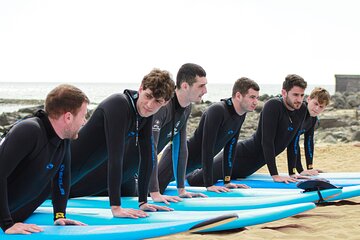
With 37 miles of beaches, Gran Canaria has plenty of options for swimming, surfing, and water sports, and the island also has several water parks including Aqualand Maspalomas. Other popular activities include a walk through the Maspalomas dunes, a dolphin and whale-watching cruise, and a hike to the summit of Pico de las Nieves.

Q:Is Gran Canaria a duty-free island?
A:

Yes. Gran Canaria and the Canary Islands are an Autonomous Community in Spain and part of the EU, but they are not part of the EU VAT area. This means international travelers can enjoy duty-free (tax-free) shopping on items such as alcohol, tobacco, perfume, and souvenirs up to a personal allowance.