
Top Reykjavik Whale Watching
19 results
Sort by: Featured










What are people saying about Reykjavik

Stacey_R, Jul 2026
Great crew and staff....
Great crew and staff. They explained everything. They made sure you were comfortable going out even if it was a little bumpy (not too bad). The guide was knowledgeable about the wildlife and even some connections with popular TV shows. Recommended for everyone but especially families.
Mary_E, Jul 2026
The guide was very...
The guide was very knowledgeable. It was a cold, windy, rainy July day so we didn’t get to stay around the geysers or waterfalls like we would have liked to, but we did get to see them. But even with the bad weather, we enjoyed the scenic drives through the countryside to get to the high points. The bus was very comfortable and everyone had a good view.
Ayoola_O, Jul 2026
Iceland South Coast Day Trip
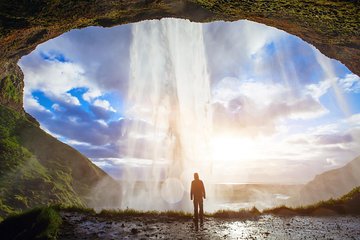
My family had such a wonderful tour of the south coast. The scenic drive was amazing and picturesque. We enjoyed the beauty of the 2 waterfalls and the amazing landscape. The view of the glacier tongue was awesome and the rock formation at the black sand sea is such a wonder to behold.
Shelby_B, Jul 2026
WOW. We seriously...
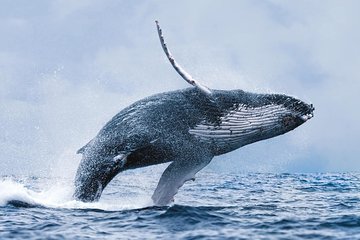
WOW. We seriously wouldn’t have wanted to see the whales any other way! We kept seeing the larger boats further away while we were incredibly close to the whales—it was unbelievable. Watching these massive animals surface so close to us was something we’ll never forget.
Our guide was just as excited every time we spotted a whale or dolphin, and that energy made the whole experience even more fun. You could tell they genuinely loved what they do! The boat was amazing, and the insulated suits they provided kept us warm and comfortable the entire time.
If you’re even slightly on the fence or trying to choose between whale watching companies, BOOK THIS ONE. Seriously—you will not regret it. The smaller group made such a huge difference, and being able to get so close to the whales felt like a once-in-a-lifetime experience. Without a doubt, this was one of the absolute highlights of our trip!
en
e22d0504-4713-4afc-b34d-29f60bdeed0d
things_to_do_category

Not seeing something you are looking for?
People Also Ask
What are the best whale-watching tours in Reykjavik?
Are whale-watching tours in Reykjavik worth it?
How much do whale-watching tours in Reykjavik cost?
What types of whales are near Reykjavik?
What is the best month to go whale watching in Reykjavik?
Is it better to see whales in the morning or afternoon in Reykjavik?
What are fun things to do other than Reykjavik whale-watching tours?
What are the most affordable whale-watching tours in Reykjavik?
What should I know before booking Reykjavik whale-watching tours?
What are the best tips for enjoying Reykjavik whale-watching tours?
What time of day is best for whale watching in Reykjavik?
More Tours in Reykjavik
Attractions in Reykjavik, Iceland
Things to do near Reykjavik
Popular on Viator
Day Trips from Reykjavik
Reykjavik Best Experiences