
Know Before You Go: Visiting Dubai During Ramadan


Editor's note: Travel to Dubai is not recommended due to serious safety risks in this area. Please follow your government's guidance and travel advisories.
Like the rest of the UAE, Dubai holds fast to the Islamic holy month of Ramadan, which is observed by Muslims worldwide every year. This annual event sees Muslim people engage in daytime fasting and increased prayer before gathering after sunset for food, fun, and family time.
If you’re a non-Muslim visitor, it’s a chance to experience Dubai when it’s quieter and slower-moving, gain a deeper understanding of Islamic culture, and enjoy the evening celebrations integral to the festival. Equally, though, you’ll be expected to be considerate of Ramadan’s customs and behave appropriately in public out of respect.
Noting when the festival takes place is one of the key things to know before visiting Dubai. So if you’re considering Dubai travel during Ramadan, here’s what it may mean for your stay.
What is Ramadan?

Ramadan is when Muslims mark the revelation of the Quran to the Prophet Muhammad.
Probably the best-known of Muslim religious traditions, Ramadan is the ninth month of the Islamic calendar, and commemorates when Muslims believe the first parts of the Quran (the holy book of Islam) were revealed to the prophet Muhammad. To mark this time, Muslims abstain from eating, drinking, and certain other activities during the daytime to encourage self-restraint and religious devotion. Children who haven’t reached puberty—typically those under age 14—pregnant women, the elderly, and anyone ill or traveling are exempt from fasting.
When is Ramadan?

The dates of Ramadan aren’t fixed, as they’re linked to the moon.
The dates of Ramadan vary each year because Islam uses a calendar based on the cycles of the moon. Ramadan starts with the first sighting of the new crescent moon, and ends 29 or 30 days later when the moon wanes to the other side. Because it follows lunar phases, Ramadan falls at different times each year. If you’re considering traveling to the city, it’s important to check if Ramadan will coincide with your visit and whether Ramadan customs in Dubai will affect your stay and your plans.
How is Ramadan observed?

Fasting between sunrise and sunset is the cornerstone of Ramadan.
Muslims across Dubai observe Ramadan by fasting from sunrise to sunset: abstaining from all food and drink—even sips of water—as well as sex, smoking, and other habits that might be deemed as impure. Fasting is complemented by extra prayer, worship, charitable giving, and family time.
Each day is bookended by meals: suhoor (the pre-sunrise meal) and iftar (the post-sunset meal), the latter serving as a joyful break to the fast. Iftar also brings an air of celebration to evenings in Dubai, with families staying up late to dine and socialize. The end of Ramadan is marked by Eid al-Fitr, a holiday celebrated with feasting and gift-giving.
Should I visit Dubai during Ramadan?

Visiting Dubai during Ramadan reveals another side to the city and comes with other benefits.
Yes, Ramadan is a great time to visit Dubai. You’ll experience the city from a fresh perspective and gain insight into Islamic culture that you’d otherwise miss. Plus, while most hotels, restaurants, and attractions stay open as normal, they’re usually less crowded, with reduced lines and a calmer vibe than at other times of year.
And when Ramadan falls in Dubai’s traditionally quiet low-season—the summer months—the attractions are even less busy and have even shorter lines. The evenings, meanwhile, are buzzing, with iftar meals and other festivities front and center. Ramadan is typically also a cheaper time to visit Dubai, with many hotels offering special deals as well as restaurants and malls running sales and promotions.
Related: How To Beat the Crowds in Dubai
What tours or tickets are available for experiencing Ramadan?

Enjoy everything from special cultural experiences to Ramadan-oriented desert safaris.
While you can simply show up at many of Dubai’s open-to-all Ramadan celebrations, you may want to experience the festival on an organized encounter or tour. Learn about the customs of Ramadan firsthand during a classic iftar in Dubai’s historical Al Fahidi district, perhaps choosing an option that includes Dubai a city tour and abra (wooden water taxi) ride across Dubai Creek.
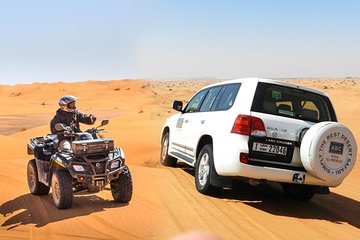
Alternatively, consider booking one of the Dubai desert safaris that embrace Ramadan; enjoy a sightseeing round-up of landmarks such as the Burj Al-Arab before zooming into the dunes for iftar under the stars.





What are any other Ramadan traditions in Dubai?

Aside from daytime fasting, Muslims in Dubai mark Ramadan in other ways.
While Ramadan means Dubai has a quieter-than-usual vibe during the day, the evenings see the city switch into festive mode as residents come out to play. Malls and boulevards glow with Arabesque lanterns and fairy lights, night markets and stalls pop up, and outdoor entertainments draw fun-seeking families. But it’s dining in Dubai during Ramadan that takes center stage after dark. Hotels and restaurants lead the way with iftar extravaganzas, while plazas and parks bristle with decorated iftar tents serving delicious buffets.
Did you know?: One of Dubai’s long-standing Ramadan traditions is the ritual firing of cannons to announce iftar—listen for the booms over the city at sunset every day.
What Ramadan events can I share in?

Non-Muslims can choose from plenty of Ramadan-themed events and festivities.
There are numerous ways non-Muslims can join in Dubai’s Ramadan-themed celebrations, if not its hallowed religious rituals. If you have Muslim family or friends in the city, for instance, you’ll find them more than ready to open their homes to you for the evening iftar. People of all faiths are also welcome to enjoy the various Ramadan events in Dubai that light up the evenings.
Many of the city’s plush malls—including the supersized Mall of the Emirates—traditionally offer iftar spreads, sweets corners, and kid-friendly attractions that are open to all, and extend their opening hours till late to stretch out the fun. Non-Muslims are also free to book places at hotels’ iftar buffets, visit cultural workshops, and browse the many night markets.
What should I expect in Dubai during Ramadan?

Be prepared for a slower tempo and changes to opening hours.
If you’re wondering what to expect in Dubai during Ramadan, the key takeaway is that non-Muslims don’t need to fast. You’re free to eat and drink as normal at all of the main international hotels and most restaurants. Bear in mind, however, that many hotel restaurants and bars change their operating hours, with some opening at a later point in the day, and many staying open till later in the evenings.
Generally, though, Dubai slows down, particularly in the afternoons. That’s when some businesses, shops, restaurants, and cultural attractions including some Dubai museums —particularly those in older neighborhoods such as Bur Dubai—close early to allow more prayer time before iftar. It makes sense to check the opening hours of any store, restaurant, or attraction you’re planning to visit before setting off. Importantly, there’s also a special cultural etiquette in Dubai during Ramadan that visitors need to consider—check some of the main rules below.
What rules and tips should I follow during Ramadan?

Take extra care to respect the special etiquette and customs attached to the festival.
Any Dubai Ramadan guide will explain that non-Muslim travelers must be mindful of the additional cultural mores that come with the holy month. While observing these rules is especially important in the more traditional parts of Dubai, it’s also necessary in tourist areas such as Palm Jumeirah and Dubai Marina.
As a rule of thumb, wherever you are in the city, you should refrain from any loud, disruptive, or potentially offensive behavior, such as public displays of affection, playing loud music, and any noisy revelry. And while you’re free to eat and drink at permitted hotels and restaurants, you should avoid eating, drinking, and smoking in any public places during daylight hours. Doing any of the above could bring a hefty fine.
What should I wear during Ramadan?

Be ready to dress more conservatively than at other times of year.
Another of the visitor tips for Dubai during Ramadan is taking special care over what you wear. While wearing fairly conservative clothing in public in Dubai is appropriate throughout the year, dressing modestly is even more important during the holy month. In public places, men and women should make sure their knees and shoulders are covered, and avoid revealing garments such as shorts, vests, and short skirts. Long pants, long-sleeved tops, long or mid-length skirts, and flowing and loose-fitting garments are recommended. The latter are more comfortable in Dubai’s heat, so there’s an extra reason to wear them.
Is Ramadan accessible for travelers with disabilities?

Generally, yes, but possibly not everywhere or at every event.
It depends on the Ramadan activities you’re interested in. If you’re a non-Muslim with disabilities, you can expect to join in Dubai’s non-religious Ramadan events. The city’s plush tourist hotels, such as Atlantis, The Palm, are typically wheelchair-friendly, so it’s likely their iftar tents are equipped for people with disabilities.
Malls such as Dubai Marina Mall are wheelchair-accessible, ensuring their traditional iftar events can accommodate everyone. Beyond this, many organized Ramadan experiences, including the cultural iftars at the Sheikh Mohammed Centre for Cultural Understanding and some desert safaris, are also accessible. It’s sensible, however, to check with the venue or the tour operator beforehand.
Frequently asked questions

Everything else you need to know about visiting Dubai during Ramadan.
Why do Muslims fast during Ramadan? Fasting is one of the five pillars of Islam. The remaining four are: professing one’s faith, praying five times a day, performing charity, and visiting Mecca at least once in one's life. Fasting is considered a way to worship God, practice self-restraint, empathize with those less fortunate, and cleanse the body and soul.
What are some popular Ramadan foods in Dubai? Muslims break their fast with iftar, a typically light meal of everything from dates—the foods the prophet Muhammad is believed to have eaten to end his fast—to lamb kebabs, fruit, and other staples. They also eat the late-night or pre-dawn suhoor, which usually includes traditional Emirati foods including kebabs, flatbreads, and sweet desserts.
Can I go to the beach during Ramadan? Yes, tourists can visit hotel beaches in Dubai during Ramadan. While there are recommended guidelines on what you should wear when out and about in the city itself, wearing swimsuits and other beachwear is acceptable on the private hotel beaches and around hotel pools.
What can I say to Muslims in Dubai who are observing Ramadan? Ramadan is a time of community and togetherness, so it’s polite to greet Muslims in the city in the same open and joyful spirit. You can greet Muslim friends with “Ramadan Mubarak”—which means “blessed Ramadan”—or “Ramadan Kareem,” which translates as “generous Ramadan.”
Can I drink alcohol in Dubai during Ramadan? During Ramadan, drinking alcohol in Dubai is only partially restricted. Non-Muslims can buy alcohol at permitted hotels and restaurants, although it may only be sold at restricted times depending on the establishment in question. If you want to drink alcohol, check with the venue beforehand.
What happens at the end of Ramadan in Dubai? Muslims mark the end of Ramadan with Eid al-Fitr, a celebration that sees them swap gifts and enjoy feasts and get-togethers with family and friends. During this time, Dubai fizzes with fireworks, markets, and family-friendly celebrations.
Book more things to do in Dubai









Keep planning your Dubai trip


