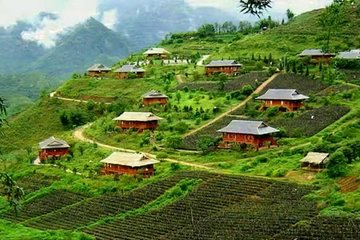
Rice filed terraces during the rice season in Sapa, Vietnam.

Things to do in  Sapa

The ultimate terrace view

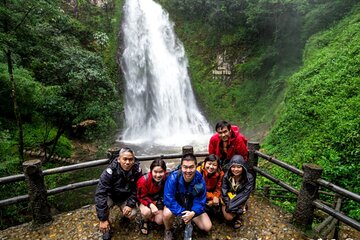
With mountains and valleys covered in rice terraces and small villages, Sapa is one of Northern Vietnam’s most scenic destinations. Travelers make a beeline for Sapa to set out on treks that showcase the region’s landscape and the hospitality of the many ethnic groups that call it home. However, this isn’t a place solely for hikers—other things to do in Sapa include riding the cable car up Mount Fansipan, admiring Silver Waterfall (Thac Bac), and learning crafts and customs in local villages.

Top 11 attractions in Sapa

Top activities in Sapa

All about Sapa

Local Currency
Vietnamese Dong (₫)
When to visit

As one of the few places in Vietnam that really feels the cold of winter, Sapa sees a rush of interest when spring arrives in late March. Cool weather, lush rice fields, and bursts of blossom all make spring an ideal time for trekking through Sapa’s scenic landscape. The fall months of October and November are also worth the wait, as Sapa’s views turn a rich gold color, and conditions are best for climbing Fansipan.

Getting around

Since Sapa is famous for its trekking, it should be no surprise that walking is the most common way to get about. Sapa town is not large, and even attractions such as the Cat Cat Village are within walking distance. Trekking tours will often include hotel pickup and drop-off. Independent travelers can also use taxis, scooters, or motorbike rentals to explore the countryside.

Traveler tips

Even though many of the villages around the Sapa countryside are small, they often have little convenience stands with snacks for purchase and day spas that offer massages for post-hike relaxation. Meals are usually organized through homestays, although larger villages such as Lao Chai and Ta Van have restaurants where you can grab a bite to eat when hiking through.

en
de3b455d-b3cf-497a-bdd1-c8e7634e16aa
attraction_list
People Also Ask
Q:Is Sapa worth visiting?
A:

Yes, Sapa is worth visiting if you want to see Vietnam's most dynamic mountain scenery, walk through rice terraces and forests, and experience life in local ethnic villages. The town of Sapa is the gateway to these activities, but it doesn't have as much to offer on its own.

Q:How many days is enough for Sapa?
A:

You need at least 2–3 days to experience what Sapa is like. One day here will give you enough time to see a few landmarks in town, but you will miss out on the region’s highlights. People planning to hike normally need three days to complete a route through the countryside.

Q:What can you do in Sapa?
A:

Hiking the valleys around Sapa and to the top of Fansipan are the two main things you can do here. However, other fun activities in Sapa include visiting the French-built Sapa Church, walking to Cat Cat Village, taking photos at Sapa Lake, and shopping at the Sapa Night Market.

Q:Is there much to do in Sapa?
A:

No, there isn't much to do in the town of Sapa itself, but there are still some sights to check out in between exploring the surrounding region. You can see the town's lake and visit the Cat Cat Village, which offers glimpses into the lives of the local Hmong people and waterfall views.

Q:What is the best month to visit Sapa?
A:

To avoid the region's worst weather, plan your trip for either April or October. Sapa in the spring benefits from green and lush rice terraces and the blossom of trees, while the fall brings a full, golden color to the rice fields as they await harvesting.

Q:Can you visit Sapa without a tour?
A:

Yes, you can visit Sapa on your own. You can arrange your own transport from Hanoi and book accommodation in local villages if you plan on hiking. However, tours handle the trickier aspects of planning, such as organizing homestay experiences, so you can focus more on living in the moment.