
Pont du Gard Tours and Tickets
34 results
Auto-translated
Sort by: Featured






What are people saying about Pont du Gard
PAM_W, Jul 2026
Great small group tour
A great half day tour with Emilie as our guide. 2 beautiful towns and Pont du Gard and we also stopped of at a sunflower field! Highly recommend.
Sue_C, Jun 2026
A great day, worth the money
Excellent trip. Really interesting and facinating to see different places. The Pont du Gard is a must to see
Barbara_L, Jun 2026
Awesome tour guide, average tour
Ann, our tour guide is excellent- extremely knowledgeable of the regions we visited . We enjoyed the winery although that was first and also a very small portion of the 5 hour tour. The stops in between the winery and point du Gard were interesting however I think the tour could be shorter by skipping the two stops in between. Pont du Gard is a must- see! Again, Ann was incredible and very knowledgeable- I think the tour design is a little longer than needed .
Kirsty_R, Apr 2026
We had the afternoon with...
We had the afternoon with Emilie and can highly recommend. She was incredibly knowledgeable and very passionate about all things Provence. Minivan was incredibly clean and comfortable
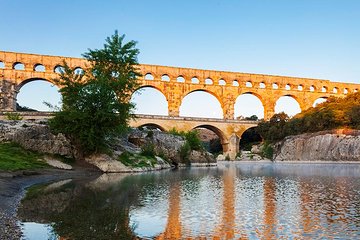
Pont du Gard

Pont du Gard is a must for history enthusiasts.
Wear comfortable shoes; you’ll spend a lot of time on your feet as you explore the site.
Bring a swimsuit so you can paddle, sunbathe, and even canoe in the Gardon river.
With flat paths and adapted buildings, much of the Pont du Gard complex is wheelchair accessible.
People Also Ask
What’s the best way to experience the Pont du Gard?
How much does it cost to visit the Pont du Gard in 2026?
Is the Pont du Gard worth visiting?
What is the Pont du Gard, and why is it famous?
When was the Pont du Gard built?
How tall and long is the Pont du Gard?
Can visitors walk on the Pont du Gard?
Is the Pont du Gard wheelchair-accessible?
What are the best attractions in and around Avignon other than the Pont du Gard?
More Tours in Avignon
Things to do near Avignon
More attractions near Avignon