Tours and Tickets to Experience Nubian Villages (Siou and Koti)
100+ results
Nubian Villages (Siou and Koti)

- The villages are great for culture buffs interested in encountering Nubian traditions.
- The Nubian villages may be difficult for travelers with wheelchairs or strollers as they are linked by uneven trails.
- Since Elephantine Island is somewhat more conservative than downtown Aswan, travelers should plan to dress modestly.
People Also Ask
There are plenty of ways to experience Shark Ray Alley. Looking at ratings and reviews previously given by customers, these are the best tours available right now:
There are no specific fees to visit the Nubian Villages of Siou and Koti, but most people visit on guided tours. Tours range slightly, but you can expect to pay anywhere from US$20 to US$60 per person for most shorter tours.
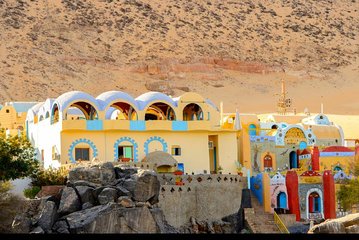
Most tours of the Nubian Villages include a walk around the village to view the colorful homes, while some itineraries may offer the chance to meet within members of the Nubian community. Round-trip transportation to Elephantine Island from Aswan’s East Bank is generally included, while some tours might feature a felucca ride instead.
Yes, you can reach Elephantine Island independently by private boat or public ferry. While visiting with a guide is not a requirement, anyone who is interested in Nubian culture or history, or is eager to visit a local household and interact with a Nubian family, should consider booking a tour.
Yes, you can take photos in the Nubian villages, which are exceptionally photogenic. Do be aware that while Elephantine Island’s brightly-painted houses are beautiful, they are real homes and not tourist attractions: remember that you are in a tight-knit community space, be mindful of everyone’s right to privacy, and ask permission before taking photographs.
Yes, visiting the Nubian Villages is worth it. The homes are a stunning sight to behold and laid-back Elephantine Island provides a relief from the bustle of downtown Aswan. Nubian communities are Indigenous to the Nile River region with a distinct history and culture of their own, so every visitor should take the time to learn about them.