
Know Before You Go: Exploring the Great Ocean Road


The Great Ocean Road is considered one of Melbourne’s top attractions, despite the distance between the two. That speaks volumes to just how scenic and memorable an experience it is to take a road trip along this famous coastal route, visiting legendary surf beaches and captivating rock formations—including the famous Twelve Apostles—along the way.
However, it’s crucial to properly plan your Great Ocean Road itinerary, as there's both lots to see and some logistical challenges to overcome. Before you set off, take a look through these Great Ocean Road travel tips to consider your options, and discover which tours might make your ideal visit a reality.
Is the Great Ocean Road worth visiting?

Yes, the Great Ocean Road is one of Victoria’s most famous sights for a reason.
Visiting the Great Ocean Road is a must for anyone who’d like to experience the majesty of Australia’s landscapes. The scenic views along the Great Ocean Road towards the Twelve Apostles and Loch Ard Gorge are ideal subjects for photography enthusiasts, while the beaches from Torquay to Apollo Bay are among Victoria’s best for swimming and surfing (you can even book surf lessons if you’re a beginner). Add in opportunities to spot native wildlife, and the Great Ocean Road appeals to travelers with all sorts of tastes and interests.
How long do I need to visit the Great Ocean Road?

One day is the minimum for visiting (and getting to) the Great Ocean Road.
Given that it extends along a vast stretch of coastline, there’s no upper limit to how long you can spend exploring the Great Ocean Road if you want to check out every coastal viewpoint, beach, and wildlife spot.
But, at a minimum, you should allow at least one day to visit the best stops along the Great Ocean Road. A fair portion of the day will be taken up getting from Melbourne (and back), but a day trip still allows a few hours to see the highlights, such as the Twelve Apostles, Loch Ard Gorge, and a beach town or two.
What’s the best time of day to visit the Great Ocean Road?

Sunrise and sunset offer prime viewing hours along the Great Ocean Road, both for light and crowds.
You can visit many of the attractions on the Great Ocean Road whenever you like, as they’re open around the clock. However, though either sunrise or sunset hours create beautiful backdrops for the coast’s most impressive views, you’ll need to take a sunset tour or do a Great Ocean Road self-drive tour to experience them.
Just know that crowds at popular highlights—such as the Twelve Apostles—reach their peak from midmorning to mid-afternoon as day tours from Melbourne roll through.
Insider tip: You can beat the crowds on a reverse-itinerary tour which flips the order of stops to avoid the busiest times at each stop.
What's the best time of year to visit the Great Ocean Road?

Visit in summer for beach trips and the shoulder season for sightseeing.
Peak months for visiting the Great Ocean Road are December and January, when locals and visitors alike flock to its beaches over the summer break. Given that, you should plan your trip for February or March if you want sunny weather with fewer tourists.
Visiting major attractions is also best done outside the summer high season, both to avoid the crowds and the sizzling summer heat. For a quieter experience, come during the spring months of October and November or the fall months of March and April.
How do I get to the Great Ocean Road from Melbourne?

Guided tours enable you to visit from Melbourne, even if you don't have your own vehicle.
The start of the Great Ocean Road in Torquay is more than 60 miles (100 kilometers) from Melbourne, while some of the most popular spots are much farther away, including the Twelve Apostles at roughly 140 miles (228 kilometers) from the city.
A one-way journey driving the Great Ocean Road takes close to three hours from the center of Melbourne. Alternatively, taking public transportation to towns such as Torquay is possible (if slow), but it doesn’t work for visiting coastal attractions. As such, taking a tour is the best option for those who can’t drive or who don’t have a car.
What tour options are available for the Great Ocean Road?

You can find Great Ocean Road tours to suit most itineraries and interests.
Convenient tour packages make it easy for you to add a day trip to explore the Great Ocean Road when visiting Melbourne. Choose between budget-friendly bus tours, intimate and social small-group tours, or exclusive and flexible private tours to customize the experience.
You can also see what the region looks like from the sky on a helicopter flight over the Great Ocean Road or even while skydiving. If you’re hoping to see more of Victoria, book a trip to the Grampians National Park or an overland tour from Melbourne to Adelaide.




What are the main attractions on the Great Ocean Road?

The Twelve Apostles and Bells Beach are two of the most famous attractions along the road.
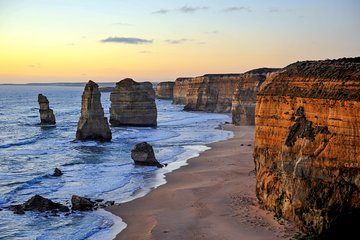
Most of the top lookouts along the Great Ocean Road are situated around dramatic rock formations, sculpted by the elements. While the Twelve Apostles may be the most recognizable, there’s also The Razorback, Loch Ard Gorge, and London Bridge. Meanwhile, Gibson Steps provide the opportunity to see the coastline from down below.
The Great Ocean Road is also known for its beaches, especially those between Torquay and Apollo Bay, including the famous surfing spot Bells Beach.
What wildlife can I see along the Great Ocean Road?

You can spot lots of native animals at stops along the Great Ocean Road.
Traveling along the Great Ocean Road provides a chance to see native Australian animals in their natural habitats, far away from the streets of Melbourne. Sure, wildlife spotting along the Great Ocean Road may be much more hit and miss than at Melbourne Zoo, but some places provide better odds than others.
The Kennett River Koala Walk is a common stop to see koalas on wildlife tours of the region, while you may spot little penguins on the beaches below the Twelve Apostles and London Bridge if you’re around the coast until dusk. Whale-watching trips are also popular, with sightings most common from May to September—one section of the road from Warrnambool to Portland is even known as the Whale Trail.
What should I wear to visit the Great Ocean Road?

Prepare for your Great Ocean Road trip by dressing for the outdoors and packing for a long day.
Few places on the Great Ocean Road are spared from the elements, so an essential Great Ocean Road road trip tip is to pack and dress with the outdoors in mind. Coastal winds can get quite cutting at viewpoints, so bring a light jacket or dress in layers and keep an eye on your hat. Sunscreen is also a must to protect from the harsh Australian sun, while good walking shoes are best for tackling coastal trails or long staircases, such as Gibson Steps. Plus, don’t forget your swimwear and towel if you plan to swim or surf.
Is the Great Ocean Road accessible?

Yes, many top attractions on the Great Ocean Road are wheelchair accessible.
Accessibility varies across much of the Great Ocean Road; however, there is good news for some of the region’s highlights. The Twelve Apostles Viewpoint, which offers the classic view of the attraction, is accessible to visitors using wheelchairs and with strollers, and features adapted safety barriers to ensure that anyone who is seated can enjoy the view.
Other attractions, such as Loch Ard Gorge and London Bridge, have partial accessibility; some lookouts offer barrier-free access, but not all. However, a handful of Great Ocean Road attractions do feature stairs or uneven terrain and are therefore not accessible, including Gibson Steps.
Where else can I visit near the Great Ocean Road?

You can explore more of regional Victoria on your trip down the coast.
The beaches and coastline of the Great Ocean Road are what this part of Victoria is best known for, but there’s just as much to see when you get away from the oceanfront. Great Otway National Park blankets the hilly hinterland in thick rainforest, with many of the best Great Ocean Road hiking trails lead to pristine waterfalls, such as Erskine Falls and Hopetoun Falls.
Gentler walks to experience the rainforest include Mait's Rest—many tours make a brief stop here. Alternatively, you can explore the Bellarine Peninsula near Torquay to indulge in regional produce and local wines.
Frequently asked questions

Everything you need to know about visiting the Great Ocean Road.
- Where does the Great Ocean Road start and end? The Great Ocean Road leads from Torquay to Allansford, near Warrnambool.
- Is the Great Ocean Road free to visit? Yes, the majority of the attractions are natural sights that are free to see, such as the Twelve Apostles and Loch Ard Gorge.
- How many of the Twelve Apostles are still standing? Seven of the rocks belonging to the Twelve Apostles remain, although there were never actually 12 to begin with.
- Can you swim at the Great Ocean Road? Yes, you can swim at many local beaches, including Torquay, Lorne, and Apollo Bay. However, swimming is not permitted at the Twelve Apostles.
- Are there places to stay overnight along the Great Ocean Road? Yes, major towns such as Torquay, Lorne, Apollo Bay, and Warrnambool all offer a range of accommodation for overnight stays.
Book more things to do in Melbourne


Keep planning your Melbourne trip


