
Know Before You Go: Wine Tasting in the Loire Valley


Often name-checked alongside famous French wine regions such as Bordeaux, Burgundy, and Champagne, the Loire Valley isn’t only known for its magnificent châteaux—it also produces some of France’s most diverse wines. With wineries dotted along the Loire River, there are plenty of opportunities for Loire Valley wine tours, and it’s easy to combine wine tasting with a château visit, a bike ride through the vineyards, or lunch in one of the riverside medieval towns.
With so much for wine lovers to enjoy in this sprawling wine region, it can be hard to know where to start. These tips will help you make the most of your trip.
Should I go wine tasting in the Loire Valley?

Yes, it’s one of the most popular—and scenic—spots for wine tasting in France.
Not only is the Loire Valley one of the most-visited wine regions in France, but it’s close enough to Paris to explore on a day trip. Largely regarded as one of the country’s most affordable, diverse, and beginner-friendly wine regions, there’s truly something for everyone in the Loire Valley, from fruity whites and reds to sparkling wines and sweet dessert wines. The Loire’s welcoming, family-run wineries are a great place for wine lovers to cut their teeth, plus there’s a wide variety of tours to choose from, so you can easily tag a wine tasting onto your sightseeing itinerary.
Is wine tasting in the Loire Valley free?

It depends—some Loire Valley wineries offer free tastings, but many also charge a small fee.
While some wineries in the Loire Valley do offer free wine tastings, it’s customary to charge a small fee for vineyard tours, cellar visits, and guided tastings, especially if you aren’t planning to buy anything. To visit multiple wineries, it’s worth booking a wine tour with tastings and transport included.
Insider tip: There’s almost always an exception for serious buyers, so it’s worth calling ahead if you plan to make a purchase. Most winemakers will be happy to provide a free tasting to help you make the right selection.
Where should I go wine tasting in the Loire Valley?

Base yourself in one of the Loire Valley’s main cities or choose an appellation.
There are dozens of “AOC” or Appellation d'Origine Contrôlée (official wine-producing areas) spread throughout the Loire Valley, and each one is best known for different wine varietals. As such, the perfect destination for wine tasting in the Loire Valley depends on your tipple of choice.
White wine lovers can sample muscadet in the Pays Nantais region around Nantes, chenin blanc wines in the Anjou-Saumur region around Angers, and sauvignon blanc in Sancerre or Pouilly-Fumé. Alternatively, the most celebrated rosé wines are in Anjou, while red wine enthusiasts will enjoy the cabernet francs of the Touraine region around Tours.
What tour options are available for wine tasting in the Loire Valley?

Pair wine tasting with a château tour, a scenic cycle, or a French countryside experience.
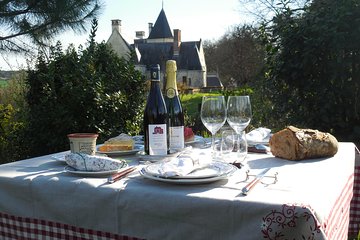
The Loire Valley is a standout destination for wine, culinary, and cultural tours in France, and there’s a huge variety of tours to choose from. Combine châteaux visits with wine tasting on a day trip from Paris, explore the scenic vineyards on an e-bike excursion, or set out on a half- or full-day wine-tasting adventure from Tours, Chinon, or Amboise. Foodies can also choose from a wide range of wine and food tours in the Loire Valley, including a winery lunch, a picnic in the vines, or an expert-led food and wine pairing.




What are the best times for wine tasting in the Loire Valley?

Wine tasting is a four-season activity, but vineyard tours are often seasonal.
Loire Valley tours and wine tastings take place year-round, but plan your trip between April and October for the most options—in low season, there are often fewer English-language tours and many wineries close access to the vineyards. To beat the summer crowds and heat, opt for a spring (April–June) or fall (September–October) visit, when the weather is often still sunny enough for open-air picnics and vineyard bike rides.
Whenever you visit, it’s always best to book your wine tasting in advance, unless the winery specifically advises against it. If joining a group tour, opt for a morning (usually 10–11am) or evening (6–7pm) slot if you can, as they tend to attract fewer visitors.
Can I go wine tasting in the Loire Valley without a car?

Yes, but it’s easiest to get around with your own wheels.
While it’s possible to explore the Loire Valley without a car, many of the region’s châteaux and wineries are situated in the heart of the countryside and can’t be reached by public transport. Active travelers can rent a bike and cycle through the vineyards, but the best option is often to join a guided tour—not only will transportation be taken care of, but you won’t need a designated driver in your group. From Paris, hop on a train to Tours, Angers, Nantes, or Orleans, all of which offer plenty of options for guided tours.
What is there to do in the Loire Valley besides wine tasting?

Most travelers combine wine tasting with château visits in the Loire Valley.
The Loire Valley region is as vast and varied as its wines, and there’s plenty to see and do along the way. Visit the world-famous châteaux of Chenonceau, Cheverny, and Chambord; stroll the magnificent gardens of Villandry; explore medieval towns such as Tours and Blois; or ride the Machines de L’ile in Nantes. Nature lovers can also enjoy quintessential activities, such as a hot air balloon ride over the Loire Valley or a bike ride along the Loire à Vélo cycling route.
Did you know?: The château-studded section of the central Loire Valley between Sully-sur-Loire and Chalonnes is also a UNESCO World Heritage Site.
What should I wear when wine tasting in the Loire Valley?

Most Loire Valley wineries don’t have a dress code, but vineyard tours require comfortable shoes.
Unlike some of France’s other wine-tasting regions, Loire Valley wine tastings are known for being more laid-back and informal, and dress codes are usually reserved only for the fanciest restaurants and most prestigious wine events. To blend in, aim for smart-casual attire and light layers that will keep you comfortable in the summer heat. Pack sunglasses and a wide-brimmed hat if you’re heading outdoors for a vineyard tour, plus a cover-up for the cool wine cellars. Finally, opt for flat, sturdy shoes for vineyard tours, as the ground underfoot is often uneven.
Is wine tasting in the Loire Valley accessible for people with disabilities?

Yes, the Loire Valley wine region has many options for accessible tours.
Many Loire Valley wine tours and tastings are accessible for wheelchair users and travelers with reduced mobility, but it’s always best to confirm with your tour operator in advance. Some Loire Valley vineyards, wine cellars, or historic wineries may not have step-free access throughout, but many wineries will be happy to adapt their tours with prior notice. Tourism Offices throughout the region can recommend suitable wine tastings and offer advice for accessible travel.
Insider tip: Look for the “Tourisme et Handicap” label at Loire Valley attractions, restaurants, and accommodation, which indicates accessibility for people with motor, visual, hearing, and cognitive disabilities.
Frequently asked questions

Everything you need to know about wine tasting in the Loire Valley.
What are the best wines of the Loire Valley? Notable wines to look out for in the Loire Valley include sauvignon blanc wines from Sancerre, chenin blanc from Vouvray, and muscadet wines from the Pays Nantais region, as well as the sparkling Crémant de Loire. If you prefer reds, try a cabernet franc from Chinon, Saumur, or Touraine.
Is the Loire Valley known for red or white wines? The Loire Valley is best known for its fresh, fruity white wines, in particular chenin blanc, sauvignon blanc, and muscadet. However, it also produces some popular light and medium-bodied red wines, including cabernet franc and gamay blends, along with some excellent rosés, sweet dessert wines, and sparkling wines.
Where exactly is the Loire Valley wine region? The Loire Valley wine region stretches some 600 miles (965 kilometers) along the Loire River in central France, spanning several departments. It encompasses four main sub-regions: the Lower Loire around Nantes; the Middle Loire, around Angers and Tours; the Centre-Loire, around Orleans; and the Upper Loire in the Auvergne.
What makes the Loire Valley different from other French wine regions? With a cooler climate than France’s southern wine regions, and a variety of different terroirs, the Loire Valley stands out for the diversity and versatility of its wines. Loire Valley wines are also notable for their more affordable prices and subtle flavors, ideal for food and wine pairings.
Book more things to do in Loire Valley





Keep reading


