
Death Valley National Park Tours and Tickets
59 results
Sort by: Featured








What are people saying about Death Valley National Park
ZhenFu_R, Jun 2026
Impressive sights in the...
Impressive sights in the Death Valley area and vicinity. Well planned out to ensure comfort while doing the activities so good planning. It gets hot so safety first. Jason was a good tour guide through the trip with all the facts and of course the jokes and humor. I would recommend this tour for those interested in seeing natural wonders while Jason and team take care of the planning and getting you around safely.
Paula_P, Aug 2026
One of the best tours ever!!!
Because of Andrew and his assistant and the amazing people in the group, this entire experience was unbelievable and so memorable. Andrew is passionate about what he does and really thought of everything to make our trip as comfortable as possible.
Mona_M, Jul 2026
Wow! What an amazing day...
Wow! What an amazing day we had with Andrew! It was unbelievably hot but he kept us cool and comfortable. All of the stops were breathtaking and along the way Andrew shared the history and geological evolution of the areas. His question and answer approach bonded our group and the peak timing of the stops ensured an optimal experience for all. Highlights include the dramatic shadowy sunset and stargazing under a full moon. Thanks!
Michael_M, Jun 2026
An incredible day all round - 100% recommend!
Absolutely fantastic day out - Jason was an incredible tour guide, kept us all energized and interested throughout the day (despite the Dad jokes).
Every stop was different and we got to witness some amazing sights, sounds and good - a brilliant day.
Early pickup was totally worth it to see the stars and the sunrise - having a small group was really helpful too as we didn't have to wait around!
Would 100% recommend, and would love to do it all again in the future.
Death Valley National Park

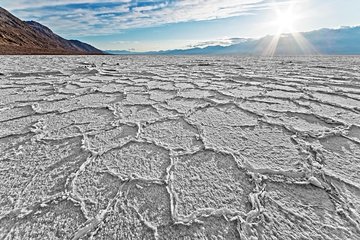
Badwater Basin, which sits 282 feet (86 meters) below sea level, is the lowest point in North America.
For those visiting the park independently by car, the per-vehicle entrance fee is valid for seven days.
Death Valley National Park is typically dry and sunny throughout the year with some winter storms; avoid summer, when temperatures can reach 120°F (49°C).
Stay hydrated with plenty of water, no matter what time of year you visit.
During summer, restrict outdoor activities to the early morning; stick to paved roads in an air-conditioned vehicle.
Furnace Creek Visitor Center offers informational exhibits, a bookstore, a short film, and ranger talks.
People Also Ask
What’s the best way to experience Death Valley National Park?
How much does it cost to visit Death Valley National Park in 2026?
Is Death Valley National Park worth visiting?
How many days do you need to see Death Valley National Park?
What is the best season to visit Death Valley National Park?
How long is the drive through Death Valley National Park?
Are there animals in Death Valley?
How do I prepare for Death Valley National Park?
Do you need bug spray in Death Valley National Park?
What are the best attractions in and around Las Vegas other than Death Valley National Park?
More Tours in Las Vegas
Things to do near Las Vegas
More attractions near Las Vegas