
Ronda Tours and Tickets


















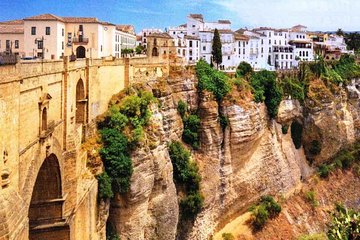


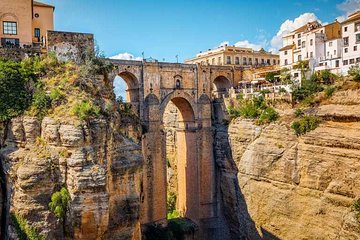


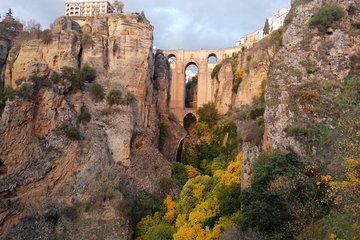


What are people saying about Ronda
pelayo_c, Aug 2026
Beautiful trip through beautiful towns!
Luis was an excellent and engaging guide. He was flexible and gave his guidance and opinion. We visited Setenil, Ronda and Zahara. Picturesque and awe-inspiring towns. Luis took some local back roads that would’ve been a challenge for first time drivers in the areas but it provided us with great views. He made the trip very memorable.

Maggie_R, Jul 2026
This transfer tour was...
This transfer tour was amazing. The best views and a great stop at Ronda. Andres our driver was excellent.
Highly recommended
MariaRegina_A, Jun 2026
Beautiful Ronda!...
Beautiful Ronda!
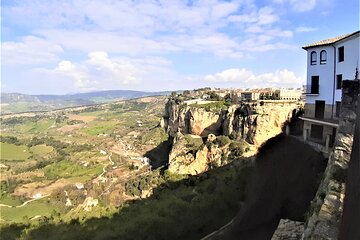
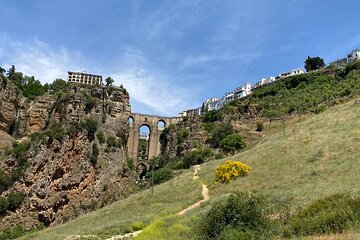
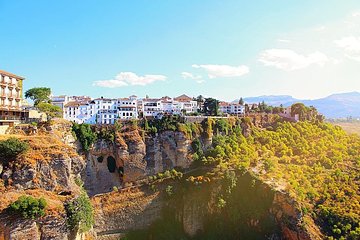
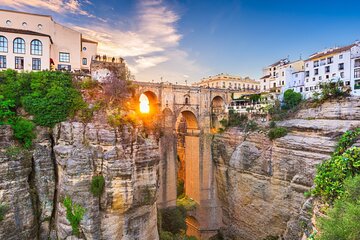
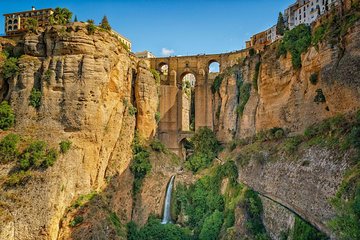
Magnificent views! Oliver, our guide gave a lot of information about the history of Ronda. Highly recommended!
thomas_s, Jun 2026
Ronda is Beautiful
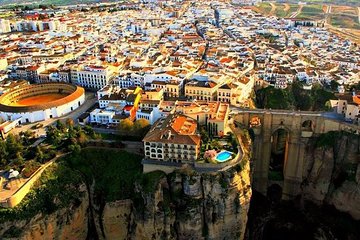
Daria was fantastic. She provided lots of detail on the history of Ronda and all of the beautiful sites. You could tell that she took great pride in ensuring we had an informative, yet entertaining tour.
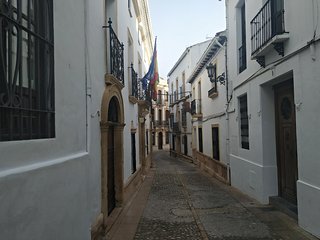
Ronda

Ronda is a must-see for history buffs, photographers, and couples.
Wear comfortable shoes suitable for walking on uneven surfaces.
Shade is hard to find in Ronda; don’t forget sunscreen, sunglasses, and a hat.
Day trips to Ronda from other destinations in Andalusia and the Costa del Sol last between six and 11 hours.
People Also Ask
What’s the best way to experience Ronda?
How much does it cost to visit Ronda in 2026?
Is Ronda worth visiting?
What is Ronda, and where is it in Andalucia, Spain?
What are the main attractions or landmarks to visit in Ronda?
What is the history behind Ronda's famous bridge, Puente Nuevo?
What are the best times of year to visit Ronda for favorable weather and fewer crowds?
Is Ronda accessible by public transport, and how can I get there from nearby cities?
Are there any special events or festivals held in Ronda throughout the year?
What are the best attractions in Andalucia other than Ronda?
More Tours in Andalucia
Things to do near Andalucia
More attractions near Andalucia