
Venice Jewish Ghetto (Ghetto di Venezia) Tours and Tickets











What are people saying about Venice Jewish Ghetto (Ghetto di Venezia)
AndreaMarie_R, Oct 2026
Great Tour
Our guide Vanessa was amazing! We enjoyed everything we learned through her and the food experiences.
Risa_J, Oct 2026
The guided tour of the...
The guided tour of the Jewish quarter was a wonderful experience because of our friendly and knowledgeable guide!!
Alan_W, Oct 2026
Loves the Food and Jewish Quarter Tour
Our tour guide was Vanessa. She was friendly, very knowledgeable and so
Much fun to be with. Had wonderful discussions and tried some
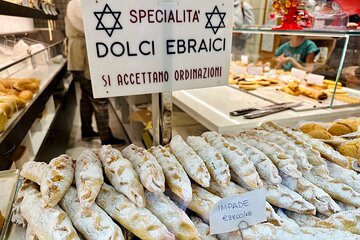
Incredible food spots. Kosher restaurant for some appetizers and wine, then a kosher bakery treats, more delish apps and
Drinks, then onto a lovely restaurant for
Fresh made pasta followed by gelato. Can’t say enough good things about it!
Anita_M, Oct 2026
The food was good. The...
The food was good. The guide was better. His knowledge of history brought the entire area and experience to life. It was a most enjoyable evening.

Venice Jewish Ghetto (Ghetto di Venezia)

The Jewish ghetto is a must for those interested in Jewish culture and history.
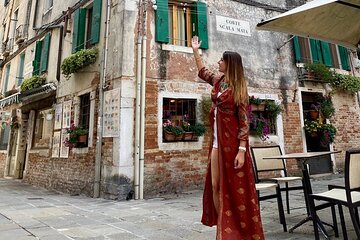
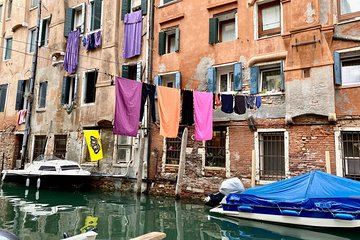
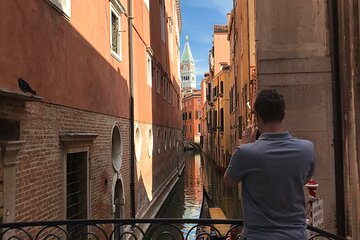
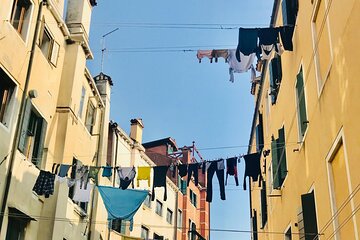
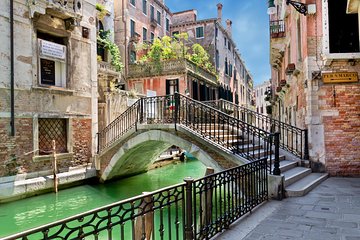
With its narrow streets and quiet square, the ghetto is one of Venice’s most pleasant historic walking areas—and a lovely spot to snap photographs.
Jewish ghetto tours are on foot, so be sure to wear comfortable shoes.
This area is also known for its excellent traditional kosher restaurants, so it’s a good place to stop for lunch or dinner.
People Also Ask
What’s the best way to experience the Venice Jewish Ghetto?
How much does it cost to visit the Venice Jewish Ghetto in 2026?
Is the Venice Jewish Ghetto worth visiting?
What is the historical significance of the Venice Jewish Ghetto?
What is there to see or do in the Venice Jewish Ghetto?
Can tourists sample traditional kosher cuisine in the Venice Jewish Ghetto?
Is the Venice Jewish Ghetto really where the word “ghetto” comes from?
How can I learn more about the Venice Jewish Ghetto’s history?
What guidelines should be followed when visiting synagogues in the Venice Jewish Ghetto?
What are the best attractions in Venice other than the Venice Jewish Ghetto?
More Tours in Venice
Things to do near Venice
More attractions near Venice