
Top Iceland Whale Watching
36 results










What are people saying about Iceland
Susanne_A, May 2026
Chopper The Whale.
Seeing a whale in the wild has been my dream and it came true. The commentary by our guide was informative about the conservation side as well as they knew one of the whales by their markings and could tell us about that individual, (called Chopper). The whole experience was facinating and thrilling.
Natalie_G, May 2026
We had a great...
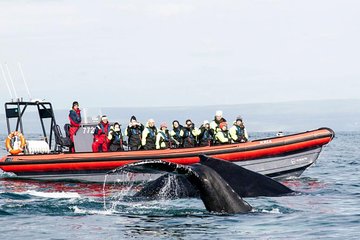
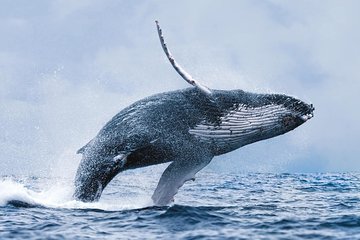
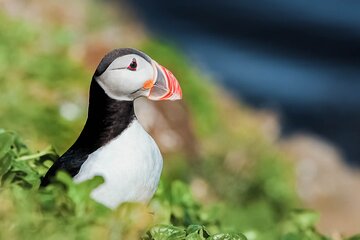
We had a great experience! We saw 7 whales (humpbacks and minkes) and many puffins out in the water. They provided us with a very warm suit to wear so we were very comfortable. Tour guide was great and informative. Loved the hot chocolate and cinnamon cookies we received on the way back to the harbor. Great tour!
Saul_I, May 2026
Great experience! We saw...
Great experience! We saw double humpback whales as well as a minky whale and puffins amongst other sea birds. Because of the small boat we were able to get around very quickly and get very close to the animals. Our tour guide Alex was fantastic and very knowledgeable and was also able to liven up the event with a great sense of humor. He was really helpful in answering our questions and we'd highly recommend the tour and specifically Alex to a couple of humpback whales as well as a minke whale and puffins, amongst other seabirds. Our tour guide, Alex. Because of the small boat we were able to get around very quickly and get very close to the animals. Our tour guide, Alex, was fantastic and very knowledgeable and was also able to liven up the event with a great sense of humor. He was really helpful in answering our questions and we'd highly recommend the tour and specifically Alex to any whale lovers who are visiting Iceland.
Linda_A, May 2026
Whale watching Akureyri.
Late December out on fjord is not for the faint hearted but this experience is unique and exciting.
We met the small boat at the dock and were boarded upon showing our tickets. The boat was comfortable with a downstairs seating area and upper area with outside access and better views. You can also have access to the crows nest if you want.
In December it is cold. Very cold. There is no getting away from that. We had layers upon layers and waterproofs and snow boots and we’re still incredibly cold. But we did see whales which made the trip worthwhile.
We travelled for around an hour along the fjord to reach the feeding grounds of the whales but unfortunately didn’t see anything for about another hour. The fjord became very rough at one point and we got soaked as the waves hit the boat. A lot of people were feeling queasy.
Of course this is a wild animal spotting expedition so sightings off the
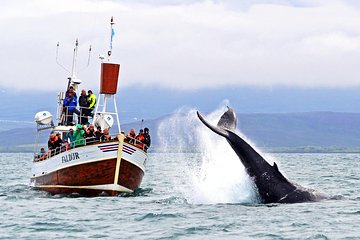
Whales are not guaranteed. After being out for about two hours the pilot decided to head back, it was then that a tail was spotted out on the water and we were lucky enough to spend the next 45 minutes or so being treated to a wonderful display from various whales, some coming really close to the boat. The experience was almost spiritual and we quickly forget about the harsh conditions.
The journey back to the dock seemed to pass quicker and once we were back on dry land we headed back to our accommodation to warm up.
We were lucky to see the whales which made what could have felt like an endurance test into a memorable, enjoyable experience.
en
bc870054-1cbb-4df8-a13a-8dfb03e165a8
things_to_do_category

Not seeing something you are looking for?
People Also Ask
What are the best Iceland whale-watching tours?
How much do Iceland whale-watching tours cost?
Are guided Iceland whale-watching tours worth it?
What should I know before booking Iceland whale-watching tours?
What are the best tips for enjoying Iceland whale-watching tours?
What Iceland whale-watching tours are one hour or less?
What are other things to do than whale watching in Iceland?
What types of whales can you see in Iceland?
How long is a typical whale-watching tour?
What should I wear on a whale-watching tour?
Do tours guarantee sightings?
What is the best time of day for whale watching?
More Tours in Iceland
Attractions in Iceland
Things to do near Iceland
Popular on Viator
Iceland Best Experiences