
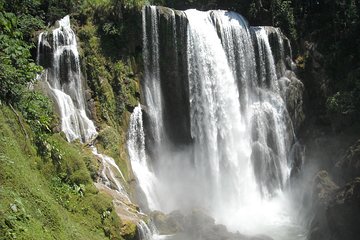
Cityscape of San Pedro Sula in Honduras.

Things to do in  San Pedro Sula

The heart of the Sula Valley

San Pedro Sula is the industrial center of Honduras. Unlike the country’s capital, Tegucigalpa, and its many other tourist-focused towns, San Pedro Sula has fewer attractions and often acts as a transfer point for travelers moving between other cities. However, those who spend a few hours in San Pedro Sula will find no lack of things to do, with the city home to impressive churches, accessible museums, and one of the largest annual festivals in Honduras.

Top 2 attractions in San Pedro Sula

Top activities in San Pedro Sula

All about San Pedro Sula

Time Zone
CST (-6)
When to visit

The best time to visit San Pedro Sula truly depends on your reason for traveling. If you’re wanting to experience the city's culture, choose June. Not only is this a more affordable time for visiting, but it’s also when the month-long June Fair (Feria Juniana) takes place. If San Pedro Sula is a pit stop en route to other cities, consider visiting in the dry season (November through April) when the weather is more favorable for exploring Honduras’ landscape.

Getting around

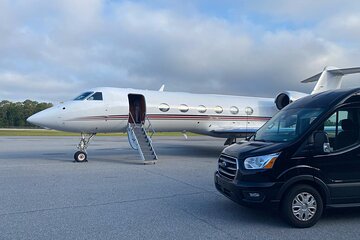
If you’re visiting San Pedro Sula, you’ll almost certainly visit either Ramón Villeda Morales International Airport, the Terminal Metropolitana de Buses, or both. Bus routes are well-connected, but some travelers may feel unsafe using public transportation. Both transit stations have taxis and shuttles. If passing through San Pedro Sula on your way to another city, prebook your transportation through a third party that caters to tourists.

Traveler tips

Depending on who you speak to, you may hear that San Pedro Sula has an unsafe reputation. While there is truth to this claim, many tourists enjoy safe visits to San Pedro Sula each year. If you want to take the utmost precautions, consider doing a day trip into the city on an organized tour from another location rather than arriving in and exploring the city yourself.

en
a3a23348-d9dc-4c28-a70f-994afb357b1f
attraction_list
People Also Ask
Q:Why is San Pedro Sula famous?
A:

The second-largest city in Honduras, San Pedro Sula is only smaller than the capital city, Tegucigalpa. Most travelers use it as the entry point into the country and as a connection point for trips to the Bay Islands, Copán Ruinas, Guatemala, El Salvador, Nicaragua, and other landmarks on the tourist trail.

Q:How can we stay safe in San Pedro Sula?
A:

To stay safe in San Pedro Sula, plan your day’s activities, transportation, and accommodations in advance. It’s generally not safe to walk around, especially alone, at night, even if you’re in an area with late-night restaurants and bars. If traveling solo, consider prebooking shuttles for transportation instead of taking taxis and buses.

Q:Is San Pedro Sula a big city?
A:

Yes, San Pedro Sula is one of the largest cities in Honduras in terms of both size and population. Most recent surveys estimate that the city has around 1 million residents; in comparison, the capital of Tegucigalpa has a population of about 1.6 million.

Q:What language is spoken in San Pedro Sula Honduras?
A:

Spanish is the national language of Honduras and is the most common language spoken in San Pedro Sula. There are some areas where you may encounter English-speaking locals, particularly at tourist attractions, but it’s handy to learn a few Spanish phrases or download a translation app on your phone before your trip.

Q:How many days do you need in San Pedro Sula?
A:

You don’t need more than a day in San Pedro Sula, especially if you are more interested in Honduras’ other natural attractions. One day will give you enough time to check out local sites like the Museum of Anthropology and History, or you can go on a guided day tour to the Copán Ruins.

Q:How should I spend a day in San Pedro Sula?
A:

Spend a day in San Pedro Sula beginning in the center of the city around San Pedro Sula Central Park. The major church of the city, the Metropolitan Cathedral of St. Peter the Apostle, is on the square. You can then tour the Museum of Anthropology and History to learn more about the Sula Valley.