Man-made Kapalai island with the houses on stilts, Sabah, Malaysia

Things to do in  Sabah

Take a walk on the wild side

One half of Malaysian Borneo, Sabah state occupies the island’s northeastern corner in a whirl of rainforest and desert islands—with the jagged peak of Mt. Kinabalu towering over everything. The top things to do in Sabah center on the forest: longhouse stays, jungle treks, river trips, firefly cruises, and tours to proboscis monkey and orangutan sanctuaries. But you can also climb Mt. Kinabalu, scuba dive and snorkel in Sipadan and the Tunku Abdul Rahman National Park, and explore the bustling state capital of Kota Kinabalu.

Top 15 attractions in Sabah

Top activities in Sabah

All about Sabah

Local Currency
Malaysian Ringgit (MYR)
When to visit

They call it rainforest for a reason—Sabah is hot, steamy, and rainy year-round. The rains are heaviest from October through January. March and April are the best months for climbing Mt. Kinabalu, while August is a dry month in much of the state. Like elsewhere in Malaysia, accommodation is at a premium over the Lunar New Year holiday period in January or February.

Getting around

With only one short stretch of railway line, getting around Sabah is generally a matter of buses and boats, though there are several domestic airports. Modern express buses link Kota Kinabalu, Sandakan, Semporna, and Tawau, while intrepid travelers can piece together vans to more remote destinations. Public transit in the cities is limited and hard for outsiders to access: self-driving, taxis, tours, and the Grab rideshare app tend to be your best options.

Traveler tips

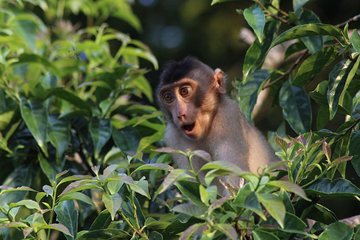
Many travelers come to Sandakan to see orangutans at the Sandakan Sepilok Orangutan Rehabilitation Centre, sunbears at the Bornean Sun Bear Conservation Centre, and monkeys at Labuk Bay Proboscis Monkey Sanctuary. Don’t miss the city’s old town, the Sim Sim water village, an area of jetties and stilt houses spread out along the waterfront. The Sim Sim Seafood Restaurant is great for a seafood feast.

en
2fbdd303-76f6-496f-84da-50a5cae661f3
attraction_list
People Also Ask
Q:Is Sabah worth it?
A:

Yes, Sabah is worth it. It delivers everything most travelers want from a Borneo adventure on a much more manageable scale than Indonesian Kalimantan—and at a much more affordable price than Brunei. Just be sure to allow yourself enough time to explore properly.

Q:What is Sabah best known for?
A:

Half of Malaysian Borneo, Sabah is best known for its jungle, islands, and wildlife —including sun bears, proboscis monkeys, and orangutans—and Mt. Kinabalu, the UNESCO World Heritage Site that appears on the state flag. Top jungle destinations include the Kinabatangan River and desert islands that run from Sipadan to Gaya.

Q:How many days do you need in Sabah?
A:

Sabah spans more than 28,000 square miles (73,000 square kilometers), so the longer the better. To do justice to Sabah, including a Kinabatangan River cruise, climbing Mt. Kinabalu, and diving, you need at least two weeks—some travelers even spend double that.

Q:Is it safe to travel to Sabah?
A:

Yes, it’s generally safe to travel to most of Sabah. However, some foreign offices advise against travel to the islands and dive sites off the southeast coast, including Sipadan, because of the risk of kidnapping. The US State Department recommends caution in eastern Sabah.

Q:Is English spoken in Sabah?
A:

Yes. While the official language of Sabah is Malaysian, many residents also speak English—some also speak Chinese dialects, including Mandarin, and a range of local languages. Anyone who works in tourism or hospitality will speak English and it's widely spoken by everyone in the capital of Kota Kinabalu.

Q:What is the best month to visit Sabah?
A:

August is a popular month for visiting Sabah. Different areas of the state, which have different climate patterns, are generally drier and sunnier than average, and visibility for scuba diving is usually good. Accommodation prices can be high, particularly during the school break at the end of the month.