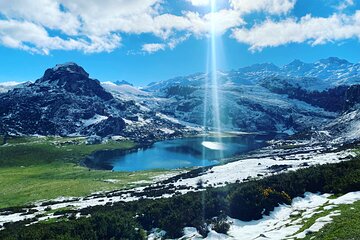
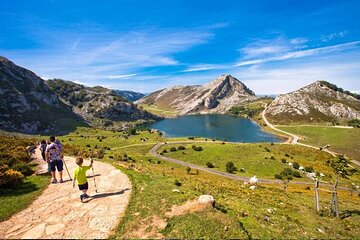
Naranjo de Bulnes (known as Picu Urriellu) in Asturias, Spain

Things to do in  Asturias

Spain, but make it green

With its Celtic-influenced culture and mountains more akin to Patagonia than the Pyrenees, Asturias takes what you think you know about Spain and flips it on its head. Sandwiched between the Picos de Europa mountains and the Cantabrian Sea, Asturias is part of Green Spain, the coastal strip along the north coast with a wet climate and lush forests. Things to do in Asturias revolve around the mountains, fishing towns, beaches, and the cities of Oviedo, Avilés, and Gijón. Take your time in Asturias as the pace is slower.

Top 2 attractions in Asturias

Top activities in Asturias

All about Asturias

Local Currency
Euro (€)
When to visit

May–June and September–October are the best times of year to visit Asturias. The maritime climate and mountain weather patterns mean midsummer (July–August) isn’t as hot as many other parts of Spain, but it tends to be busier with domestic tourists, so prices are higher. A few important festivals are held from July to September, including Asturias Day, the Avilés Interceltic Festival, and the cider festival in Nava.

Getting around

Asturias is a relatively rural region so if you want to explore smaller towns and reach out-of-the-way hiking trailheads, it’s handy to have your own vehicle. However, you won’t need one if you’re basing yourself in Oviedo or Gijón, Asturias’ two main cities. You can reach smaller places by bus, and the rail network runs along the northern coastline, through inland Oviedo, and south to other parts of Spain.

Traveler tips

The Picos de Europa National Park—which spreads across Asturias, Cantabria, and Castile and León—is Spain’s only inhabited nature reserve. For travelers, this means you have the uncommon opportunity to stay right in the heart of a dramatic natural area that’s relatively unspoiled. Camping is an especially good way to visit the park—wake up to clear morning views of jagged rocky peaks and fresh mountain air.

en
d4eacbf2-3239-4b24-8316-670940f673c9
attraction_list
People Also Ask
Q:Is Asturias worth visiting?
A:

Yes, Asturias is definitely worth visiting. It’s a beautiful rural area of northern Spain home to the Picos de Europa mountains, coastal towns and villages, forests, hiking trails, and a distinct culture and cuisine. Plus, it tends to fall under the radar with travelers, so it’s rarely too crowded.

Q:What is Asturias, Spain known for?
A:

Asturias is known for its beautiful landscapes, particularly its mountains, gorges, and coastline. Some travelers come to hike in the Picos de Europa National Park. Asturias is also known for its cider and dairy products and is nicknamed the “Land of Cheeses”; its blue-veined cheese is especially renowned.

Q:How many days do you need in Asturias?
A:

Seven days is an ideal amount of time to spend in Asturias, as there are many outdoor, culinary, and cultural adventures to enjoy. However, you could fit a few highlights into three days if passing through. Base yourself in inland Oviedo or coastal Gijón, Asturias’ main cities, and explore from there.

Q:What are the best places in Asturias?
A:

Some of the best places in Asturias for travelers are the Picos de Europa National Park, an area of jagged mountains, villages, and hiking trails; the coastal city of Gijón, which is rich in culture; and the inland city of Oviedo, which has an impressive medieval Old Town and fine museums and art galleries.

Q:Do you need a car in Asturias?
A:

Yes and no. Having a car is the easiest way of getting around Asturias as it’s quite a rural region, with small mountain villages and coastal settlements, so self-driving provides a lot of flexibility. However, if you can’t or won’t drive, you won’t be stuck as buses and trains operate throughout the region.

Q:Is Gijón, Asturias worth visiting?
A:

Yes, Gijón city is worth visiting if you’re traveling in Asturias. It’s quite a large city but still maintains a laid-back feel. It overlooks the Bay of Biscay and is especially renowned for its beaches, cider, seafood, Roman baths (an archaeological site, rather than somewhere to bathe), and walkable town center.