Things to do in Arras

Things to do in  Arras

Somme kind of wonderful

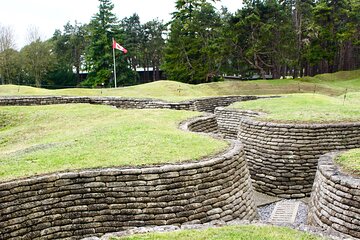
On the road from Paris to Lille and hemmed in by patchwork farmlands, the northern city of Arras harbors some surprising architectural gems and WWI sites. The grandiose Grand'Place and Place des Héros squares, lined with elegant Flemish townhouses, dominate the city center, while the 17th-century Vauban Citadel nods to the city’s military history. WWI tours—some of the top things to do in Arras—typically delve into the underground Carrière Wellington tunnels, as well as visit the Battle of the Somme memorials and battlefields around Arras.

Top 6 attractions in Arras

Top activities in Arras

All about Arras

Local Currency
Euro (€)
When to visit

Summertime sees a steady stream of day-trippers from Paris to Arras, and the liveliest time to visit is for the Main Square Festival, a music festival that takes over the Citadel of Arras each July. Another fun time to visit is over the holiday season—Arras hosts one of the region’s largest Christmas markets, and the city is at its most magical, glittering with festive decorations.

Getting around

​​Just an hour from the Channel ferry ports and Eurostar station, Arras makes a popular stopover for travelers going between Paris and the UK. Once you’re in town, it’s easy to get around the Old Town on foot, but you’ll probably want to hop on a bus or grab a taxi to reach the Citadel—it’s just over a mile (2 kilometers) from the center.

Traveler tips

Arras’ most unusual delicacy comes in the shape of a rat—an odd tradition inspired by the city’s original name, Arra, which is pronounced as à rat (with rats) in French. Head to Patisserie Thibaut to sample the popular Rats à Arras, chocolate-praline rats, along with another local specialty, Coeur d’Arras a l’Ancienne, gingerbread hearts.

en
fe9808ee-5537-47d1-bf45-385d0276ce6a
attraction_list
People Also Ask
Q:What is Arras famous for?
A:

Arras is known for its 20th-century history and nearby wartime memorials. For much of World War I, it was close to the front line. During World War II, it was the focus of a major British counterattack in 1940. But the city’s roots go back to the Iron Age.

Q:How do you spend a day in Arras?
A:

Begin in the city center to admire the Notre-Dame-et-Saint-Vaast Cathedral. Then, walk to Grand Place, a square lined with majestic buildings almost entirely rebuilt after World War II, although they’re so authentic-looking, it’s difficult to believe they’re reproductions. In the afternoon, visit one of the war memorials near town.

Q:How many days do you need in Arras?
A:

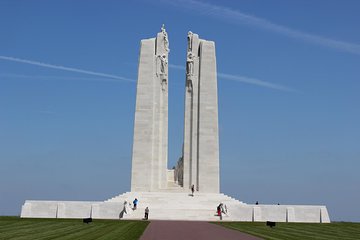
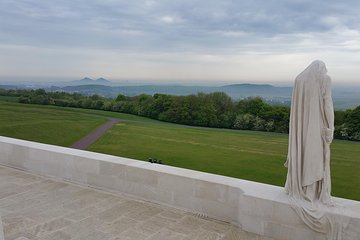
Plan for two to three days in Arras. The city merits a full day, and you’ll want time for nearby war memorials. Among the most famous is the Canadian National Vimy Memorial, dedicated to Canadian soldiers fallen during World War I. In December, add a day for the Christmas market.

Q:How do you pronounce Arras in French?
A:

The pronunciation of Arras is phonetic, and in this instance the French pronounce all the letters. Roll and extend the double “r.” The “as” at the end rhymes with “mass,” and it’s a soft “s” rather than a “z” sound.

Q:What should I not miss in Arras?
A:

When in Arras, don’t miss the wartime cemetery, some of the war memorials outside the town, and the Carrière Wellington, a network of tunnels used in World War I. Climb to the town hall’s bell tower (the picturesque, spired building on Grand Place) to see the Flemish-style architecture from above.

Q:Is Arras worth visiting?
A:

Yes, visit Arras if you’re even remotely interested in history. Both the Carrière Wellington, a network of tunnels used in World War I, and the wartime memorials offer an informative look. Arras was rebuilt in the original style after World War II, and the architecture is distinctly Flemish in style.