
Geneva Water Fountains (Jet d’Eau) Tours and Tickets







Geneva Water Fountains (Jet d’Eau)

As the city's most widely-recognized symbol, the Jet d’Eau is a must-see for all visitors to Geneva.
History and urban engineering fans will enjoy checking out this piece of Geneva's past, originally built as a hydraulic system safety valve.
Take in the views at night: In spring and summer, the Jet d'Eau is lit until late in the evening.
People Also Ask
There are plenty of ways to experience the Geneva Jet d'Eau. Looking at ratings and reviews previously given by customers, these are the best tours available right now:
There's no cost to visit the Geneva Jet d'Eau, and you can see the water fountain from various points along the lake, free of charge. If you want to get up close, taking a cruise on Lake Geneva is a great way to do so—cruise tickets start at around US$35 per person.
The Geneva Jet d'Eau is usually active year-round, but it operates seasonal hours, and typically stops earlier in the day during the winter months, and stays spouting late in the spring and summer. The best time for a visit is in the summer, when the fountains run into the late evening and are illuminated, too.
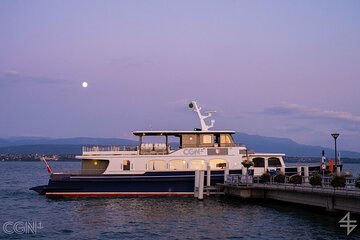
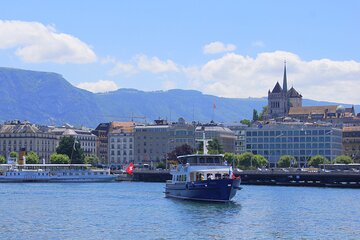
Yes, there are boat tours that will get you closer to the Geneva Jet d’Eau than you’d be able to get to on land. Private and group options are available, and some include perks, such as a glass of wine per passenger. Be sure to book in advance if you visit during the summer high season.
Geneva's Jet d'Eau was constructed in 1886 as a way to release pressure from a hydraulic power network at the Usine de la Coulouvrenière, not far from its present location. It was moved a few years later to its current location. It sprays water some 460 feet (140 meters) into the air when operational.
Yes, visiting the Geneva Jet d'Eau is worth it, and if you just want to see it from the shore, it won’t take much time. The water feature is among the most recognizable attractions in the city of Geneva, and it’s quite a sight to behold, especially by night when it’s illuminated (typically from March to September).