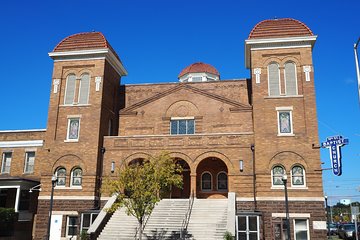
Birmingham downtown skyline on a sunny day, Alabama.

Things to do in  Birmingham

Get enchanted by the Magic City

Known as “The Magic City,” Birmingham is a Southern hub well worth exploring. Once a major hub for iron and steel production—a history you can explore at the eerie but fascinating Sloss Furnaces—it’s perhaps most famous as a pivotal site of the Civil Rights Movement, an experience brought to life at the poignant Birmingham Civil Rights Institute. There are many other things to do here, including browsing paintings at the Birmingham Museum of Art and exploring its many parks, but don’t worry if you want to spend most of your vacation filling up on barbecue, Greek grilled fish, and other classic city dishes.

Top 1 attractions in Birmingham

All about Birmingham

Local Currency
US Dollar ($)
When to visit

With mild temperatures and less humidity, spring and fall are the best seasons to visit Birmingham. Spring (especially April) is prime festival season, hosting the Magic City Art Connection and the Indy Grand Prix of Alabama. Similarly, fall offers pleasant weather and a full calendar of events, including the Greek Festival in October. Summer can be hot and humid, but it’s still a great time to catch a baseball game.

Getting around

Downtown Birmingham—especially in the Civil Rights District—is very walkable. For destinations farther out, cars are best for getting around the sprawling metro area. Taxis and ridesharing services like Uber and Lyft are readily available. For a more local experience, the city’s bus system, MAX Transit, serves popular routes. You can also rent electric scooters and bikes to get around some neighborhoods.

Traveler tips

Check out the Magic City’s thriving food scene for a real taste of local life. Beyond the acclaimed downtown restaurants, locals flock to hidden gems like Blue Pacific, a top-notch Thai eatery located inside a Hoover gas station. For an unforgettable look at the city’s past, don’t just visit the Vulcan statue—drive to the back of the statue and you’ll get a cheeky view of the iron man’s bare backside.

en
cc0ef24d-c11f-4e8a-beae-d308969abc22
attraction_list
People Also Ask
Q:What is Birmingham, Alabama popular for?
A:

Birmingham is known for its industrial past as the South’s iron and steel hub, and its pivotal role in the American Civil Rights Movement. Most people visit today to learn about the city’s history, which can be explored at the Civil Rights Institute, and its blossoming culinary and arts scenes.

Q:Is Birmingham a walkable city?
A:

Yes and no. While some key downtown neighborhoods like the Civil Rights District and Five Points South are very walkable, the city’s overall sprawl makes a car necessary for getting to different attractions. However, you can definitely plan a day of exploration on foot within a specific area.

Q:How should I spend a day in Birmingham, Alabama?
A:

Start your day at the poignant Civil Rights Institute and Kelly Ingram Park to understand the city’s history. Afterward, find lunch at a local eatery and then explore the views from Vulcan Park and Museum. Spend your evening filling up on Southern food or catching a show at Legacy Arena or the Alabama Theatre.

Q:Do you have to pay to park in downtown Birmingham?
A:

Yes, most of the time. The City of Birmingham has a mix of parking options, including metered street parking and garages. Some city-owned garages offer the first two hours for free, which is great for a quick visit. Parking is generally free on Sundays.

Q:How many days are enough in Birmingham?
A:

A 2-day trip is a great amount of time to get a feel for Birmingham. It gives you enough time to learn about its important civil rights history, explore the key attractions like Vulcan Park and the Sloss Furnaces, and still have time to sample a few restaurants.

Q:What city is better, Montgomery or Birmingham?
A:

The choice between Montgomery and Birmingham depends on what you’re looking for. Birmingham is a larger, more modern city known for its food and diverse attractions. As the state capital, Montgomery is more focused on political history, particularly its role in the Civil Rights Movement.