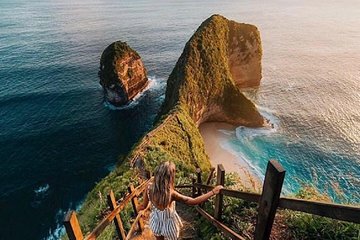
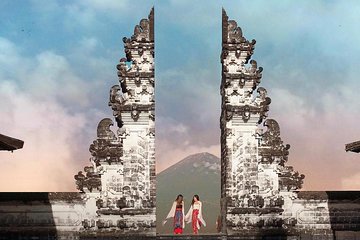
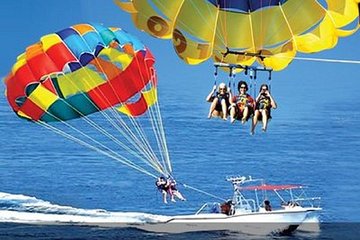
View of the tropical beach Jimbaran on a sunny day, Indonesia

Things to do in  Jimbaran

You seafood, you eat it

Stretching south from a golden 2.5-mile (4-kilometer) beach on a slender isthmus, Bali’s Jimbaran enclave draws sunseekers by day and seafood lovers by night when the sands come alive with flickering candles, and the air fills with the scent of grilling fish. Truth be told, there’s not a huge amount of other things to do in Jimbaran: Jimbaran Fish Market (Pasar Ikan Tradisional Kedonganan) is a foodie mecca, yoga is always popular, and sunsets are spectacular, while generally tranquil waters make it an excellent spot for stand-up paddleboarding.

Top 4 attractions in Jimbaran

Top activities in Jimbaran

All about Jimbaran

Local Currency
Indonesian Rupiah (IDR)
When to visit

Those golden sands are Jimbaran’s main draw, and the best time to enjoy them is during Bali’s dry season. This generally runs roughly May through October, although climate change is making the island’s weather patterns less predictable than they were. Plan to avoid the July–August peak season, when traffic becomes unbearable, and December–February, when the monsoon rains max out and fill the ocean with trash.

Getting around

Bali has little by way of public transit—although Teman Bus route #5 links inland Jimbaran to Kuta—and self-driving is simultaneously tedious and terrifying. Most travelers get around by metered taxis (Bluebird is best), 2-wheel or 4-wheel rideshares (Grab and GoJek dominate the market), or private drivers. Bali is no place to learn to ride a motorcycle: only rent a scooter if you have a valid license, the right International Driving Permit, and comprehensive travel insurance.

Traveler tips

A seafood feast is a Jimbaran must, and Menega Café has been dishing up the goods for more than 20 years. It’s hard to go wrong with fresh fish, shrimp, clams, and crab, generally priced by weight and served with white rice, veggies, and sambal (chili sauce). Most travelers find Indonesian lobsters and oysters under-flavored, undersized, and overpriced compared to their equivalents from cooler climes.

en
7e333fbb-8d23-464e-abdb-bdcce237372b
attraction_list
People Also Ask
Q:Is Jimbaran worth visiting?
A:

That depends on how much time you have in Bali. Jimbaran has lovely beaches, a wide range of restaurants and hotels, and excellent waterfront barbecues, but it’s short on attractions and activities. It’s a good choice for a beach day with kids or a candlelit dinner.

Q:What is Jimbaran known for?
A:

Jimbaran is best known for seafood. It’s the home of the bustling Jimbaran Fish Market, the island’s primary source of seafood, and a wealth of beachfront eateries that grill fresh fish every evening. Don’t assume the colorful jukung outrigger boats caught your dinner, though—most is imported from elsewhere in Indonesia.

Q:Can you swim at Jimbaran?
A:

Yes. Jimbaran Beach is in a bay and sheltered by a fringing reef, which means the water is generally calm with no rip currents, although you should still pay attention to any warning flags and swim only in marked areas. Water can be murky, with trash a problem during the rainy season.

Q:What is the main street at Jimbaran?
A:

That depends on what you mean by the main street! Jalan Bypass Ngurah Rai is Jimbaran’s major transit artery, and if you’re driving from elsewhere on the island, you’ll likely take this route. Most cafés and eateries cluster along beachfront Jalan Pantai Kedonganan, but Jimbaran’s commercial hub is Jalan Uluwatu, further inland.

Q:How should I spend a day in Jimbaran?
A:

Head to Jimbaran Fish Market as early as possible to see locals bringing in the catch, then go stand-up paddleboarding. Splurge on contemporary tapas at Cuca; enjoy the rockpools at Tegal Wangi Beach; hit the Rock Bar early to see the sunset; then feast on seafood by candlelight.

Q:What is the best month to visit Jimbaran?
A:

September, towards the end of the dry season, is a great month to visit Jimbaran. The weather is usually sunny and dry, and the sea is typically clean. But most of the European summer vacationers and Australian winter vacationers have returned home, so roads and beaches are less crowded.