
Hellbrunn Palace (Schloss Hellbrunn) Tours and Tickets
49 results
Auto-translated
Sort by: Featured
























What are people saying about Hellbrunn Palace (Schloss Hellbrunn)
Robert_D, Sep 2026
Good and So So
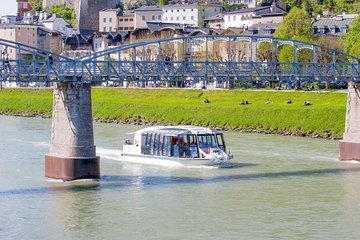
While on the boat it was impossible to hear the guide speaking. The remainder of the tour made up for the boat ride. Hellbraunn was fabulous.
Phillip, Oct 2025
Disappointed that the...
Disappointed that the cruise couldn’t go to Helbronn Palace due to low levels of water in the river. This was done by bus instead. The Palace was very interesting and worth a visit.
Lynne_G, Aug 2025
Great fun!
Perfect trip for a warm day. Kiddos will love this!! The boat and bus transfers were super easy and the drivers were very nice and helpful.
Nicky_G, Jun 2024
Fun Interactive experience in Fountains!!
The trick fountains are a MUST see if visiting Salzburg!! We greatly enjoyed this tour from the boat, to the double decker bus playing great music 🎶 and of course the best part was the fountains ⛲️ in all their beauty and fun interactions. It was one of our favorite experiences in Salzburg
Hellbrunn Palace (Schloss Hellbrunn)

Hellbrunn Palace is a must for families; kids love the trick fountains.
You will get wet, so be sure your smartphone and any other gear is protected.
The park and trick fountains are wheelchair accessible, though the palace is not.
People Also Ask
What’s the best way to experience Hellbrunn Palace?
How much does it cost to visit Hellbrunn Palace in 2026?
Is Hellbrunn Palace accessible?
Can I bring a dog to Hellbrunn Palace, and are there leash rules?
Are there special events at Hellbrunn Palace?
Is visiting Hellbrunn Palace worth it?
More Tours in Salzburg
Things to do near Salzburg
More attractions near Salzburg