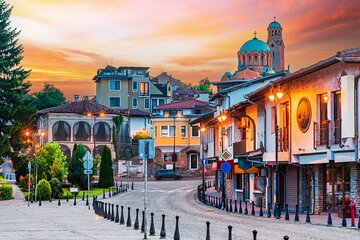
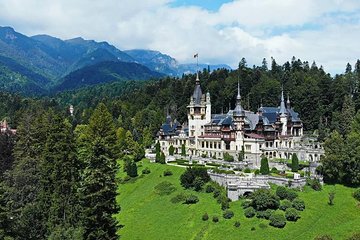
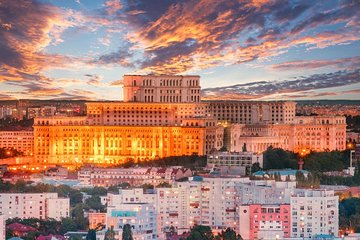
Often overlooked in favor of the mist-shrouded mountains and castles of Transylvania, Romania's capital has both culture and history that demand a few days’ worth of discovery. Shrouded in architectural vestiges of Communist history, there are plenty of things to do in Bucharest, ranging from the Brutalist Palace of Parliament and the 17th-century belle epoque churches to bohemian cafés and markets, as well as museums that document folklore and Romanian history. The city is also within driving distance of the Black Sea coast, home to seaside gems such as Constanta and Mamaia.
Bucharesters will be quick to tell you that spring is the best time to visit the Romanian capital. The city comes alive with vibrant colors and pleasant temperatures, perfect for exploring the parks (try Herastrau Park), and outdoor attractions (see Mogosoaia Palace). Fall is also recommended, as the city hosts events such as the Bucharest International Jazz Competition and George Enescu Classical Music Festival. Year-round indoor attractions—including the mineral pools at Therme Bucharest, taverns, and museums—offer more things to do.
Getting around
Bucharest’s city center can be easily explored on foot, and navigating between other attractions is simple by using the city’s comprehensive public transit system. Invest in a Bucharest tourist card, and get unlimited access to the city’s metro, trams, and buses, plus the train to the airport. Taxis and rideshares are also readily available. For a more active approach, rent a bike or scooter. For ultimate simplicity and efficiency, take a bike tour or organized excursion that includes transportation.
Traveler tips
If you don’t have a time machine (or a few extra days to explore Romania’s other cities), head to Bucharest’s National Village Museum situated in King Mihai I Park. Wander through picturesque traditional houses, windmills, and rural landscapes, collected from the country’s diverse regions and meticulously reconstructed to showcase the country’s diverse regions. Visitors also have the opportunity to interact with local artisans, learn about ancient crafts, and see traditional customs come to life.
en
a113bec2-a144-4f9e-9490-c7ff50e95167
attraction_list
People Also AskQ:What is Bucharest known for?
A:
Bucharest is the capital city of Romania, famous for its communist-era landmarks such as the Palace of Parliament (considered the largest building in the world—or, at least, the heaviest) and elegant architecture, which has earned it the nickname Paris of the East. The city also offers draws like vibrant art galleries and an eclectic nightlife scene.
Q:How many days in Bucharest is enough?
A:
Two days are enough to comfortably explore the city and its top sights, plus enjoy Bucharest’s vibrant art scene and nightlife. If you’re using the city as a base for exploring farther afield into Transylvania, plan to spend at least three or four days here.
Q:Why is Bucharest called Little Paris?
A:
Bucharest earned its nicknames of Little Paris and Paris of the East thanks to its grand belle epoque architecture and the way its social elite adopted French greetings and habits in the 19th century and early 20th century.
Q:How can I have fun in Bucharest?
A:
It’s not hard to have fun in Bucharest. The city has a wealth of malls and boutiques if you like shopping, a diverse selection of bars and clubs if you’re seeking nightlife, and parks like Cismigiu Gardens that are pleasant to walk or cycle around.
Q:Is Bucharest cheap to visit?
A:
Yes, it is regularly ranked as one of the most affordable city destinations in Europe for tourists thanks to great prices on accommodation, food, and public transport. There are plenty of free things to do here, such as window shopping along Calea Victoriei, a stroll through Herăstrău Park, and a visit to Stavropoleos Church.
Q:Is Bucharest worth visiting?
A:
Yes, the city is worth visiting if you like complex history, affordable food and nightlife, and an edgy urban destination. There are plenty of art museums and other cultural things to do in Bucharest, including visiting the National Museum of Romanian History and the Romanian Athenaeum. Take a historic walking tour to delve into the country’s modern history, from the Communist Party dictator Nicolae Ceaușescu to the 1989 revolution.