

Itineraries for Your Trip to Rome
2 Days in Rome for First Timers

I’ve been to Rome many times since I was a little girl, yet my awe for the city hasn’t faded one bit. It’s the kind of place where the ancient and modern worlds coexist, and where you can have a completely new experience each time you visit. At this point, Rome is hardly a well-kept travel secret, which means a little bit of planning ahead goes a long way toward helping you avoid crowds or long lines when you visit the most popular attractions. From the Vatican City (Citta del Vaticano) and Colosseum to the neighborhood of Trastevere and more, here’s how to spend two days in the Eternal City.
Bring layers along when exploring Rome, not only for unexpected rain showers but also for getting into religious sites that require modest dress.
If you only have time for one thing, make it a tour of the Vatican City.
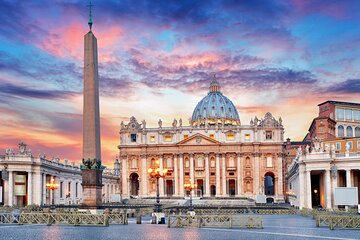
Start your Roman adventure in Vatican City, which isn’t just home to the Pope but also the cultural center of Rome. There can be quite a wait to get into the Vatican, which is why purchasing a skip-the-line ticket is absolutely worth it, giving you more time to explore the Vatican Museums or the Sistine Chapel, home to Michelangelo’s best-known work.
In Rome, you can experience modern urban life one second and step back into the days of gladiators and caesars the next. Combine visits to the Colosseum, Roman Forum (Foro Romano), and Palatinate Hill (Palatino) on a guided tour to get a taste of life during the Roman Empire. There’s enough to see that you could spend a full two days exploring these sites … or knock them all out in an afternoon.

After working up an appetite visiting some of Rome’s most significant historical landmarks, make your way across the Tiber to Trastevere for a food tour. This neighborhood is known for its historical charm (it has one of the oldest churches in the whole city) and its array of restaurants and cafés that spill out onto the sidewalk. Sample classic Roman pastas and other traditional dishes, then end the night on a sweet note with a gelato.

Once the Cardinal’s private residence and park, the lesser-visited Borghese Gardens on the Pincian Hill are a great place to start your second day in Rome. Wander the palace grounds and snap a picture of the view of Rome from the Pincio Terrace before touring the Borghese Gallery (Galleria Borghese), home to works by Caravaggio, Bernini, and others.

Grab lunch with a view on the Pincian Hill before trading the busy streets for the quiet of the underground catacombs. You’ll get to know Rome’s more mysterious side as you learn about the religious practices of early Christians and the vast network of tunnels and crypts under the city.

To get a well-balanced view of Rome, spend your last evening in the city checking out interesting neighborhoods like the trendy Monti or Tridente, home to both the Trevi Fountain and the Spanish Steps (Piazza di Spagna). Then take a cooking class, where you’ll learn how to make typical Roman dishes like amatriciana or ravioli from scratch so you can bring a little piece of the city home with you.

- I’m in Rome for two days. What are the must-see attractions that I should visit?
With two days in Rome, you can easily cover St. Peter’s Basilica and the Vatican Museums (including the Sistine Chapel), the Colosseum and Roman Forum, and the Historic Center sights from the Spanish Steps to the Trevi Fountain and Pantheon. You’ll still have time to explore neighborhoods, such as Trastevere and the Jewish Ghetto, filled with historic architecture and authentic dining options.
- What are the top foods and drinks to try in Rome?
Roman meals are centered around carbonara, amatriciana, cacio e pepe, and gricia—the four beloved pasta dishes that define the city’s traditional cuisine. The city is also known for supplì (fried rice balls), trapizzino (pizza pockets), and other street food specialties, as well as whipped cream–filled maritozzo buns. Sip a spritz, negroni, or other classic Italian cocktail during the aperitivo cocktail hour, a popular way among locals to kick off the evening.
- How can I avoid the crowds in Rome?
Rome is filled with visitors most of the year, and it’s almost impossible to avoid the crowds completely. Book tickets and tours of popular sights, and learn about visiting the Colosseum and Vatican Museums in advance to bypass the long lines: Opt for early-entrance or after-hours options. Alternatively, check out such lesser-known cultural treasures as Trajan’s Market or the Borghese Gallery instead of the packed A-listers.
- Which Rome neighborhoods should I stay in if I’m in town for two days?
For easiest access to Rome’s top attractions, the best neighborhood to stay in is the historic center. The city’s ancient ruins are within striking distance of Monti, while Prati surrounds Vatican City. Foodie and nightlife seekers will enjoy the vibrant dining and drinking scene in Trastevere, but its go-go vibe until late into the night is not the best option for families (or light sleepers).
- What’s the easiest way for a first timer to get around Rome?
With its snarled traffic and slow public buses, Rome is a challenge to explore on wheels. Opt for the more reliable metro system to reach Piazza Barberini and the Spanish Steps—both with stops along the A line (red)—and the Colosseum and Roman Forum, with a dedicated stop along the B line (blue). Cover the relatively compact historic center on foot and the outlying attractions with a hop-on hop-off bus tour.