Know Before You Go: Visiting the Great Barrier Reef


Australia’s Great Barrier Reef has long been a point of pride for the country. The huge, living structure is made up of billions of tiny organisms, all functioning as part of a larger, beautiful ecosystem that includes great spots for snorkeling and diving, as well as a variety of islands. While the reef sees millions of visitors each year, it can be daunting to figure out how to explore something so large. Here are the tips and tricks you need to know about for a stress-free visit to the Great Barrier Reef.
Is the Great Barrier Reef worth visiting?

Yes, this unique ecosystem is definitely worth a visit.
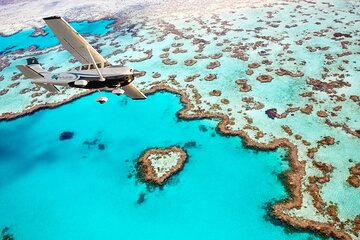
The Great Barrier Reef, situated close to Cairns, has long been an aspirational location for travelers—and for good reason. With its vast stretches of colorful coral, diverse sea life, and stunning natural beauty, the reef offers nearly endless opportunities for exploration. You don’t need to limit yourself to snorkeling or scuba diving either; you can also plunge below the surface in a semi-submersible, soar above the reef in a helicopter, or gaze at the incredible underwater world through the window of a glass-bottom boat.
When is the best time to visit the Great Barrier Reef?

The best time of year to visit the Great Barrier Reef is from June to October.
The cooler months of the Australian winter and spring are an ideal time to visit the reef. The water is still warm, and the dry weather means that there is less runoff from rainfall so the water will be clearer. This improved visibility makes for fabulous diving and snorkeling conditions. Visiting at this time of year also helps you avoid “stinger season,” when the warm waters of the Great Barrier Reef become a perfect habitat for jellyfish.
Insider tip: Pick an early morning tour to avoid peak heat and crowds.
For how long should I visit the Great Barrier Reef?

Plan to spend at least a few days getting a sense of this expansive region.
There are dozens of activities that you can experience while exploring the Great Barrier Reef, and you don’t want to feel rushed when you’re there. Plan to spend at least three days in the area (ideally based in Cairns or another town in the Tropical North) so that you’re able to snorkel, dive, and swim to your heart’s content. If you’re looking to get your scuba certification while you’re there, plan ahead and make sure you have enough time to complete all the coursework and the open-water sessions.
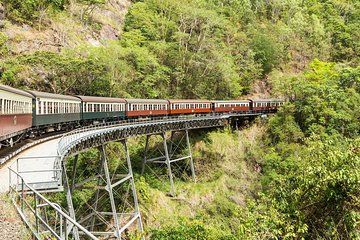
Insider tip: If you can, try to leave yourself time to also visit Daintree Rainforest (another UNESCO-protected site in this area) or head south to Barron Gorge National Park for other must-do activities, like excursions on the Skyrail Rainforest Cableway, which travels over the rain forest, or a ride on the Kuranda Scenic Railway, which offers charming old-world luxury.
How can I visit the Great Barrier Reef?

There are lots of options, from snorkeling day trips to overnight experiences.
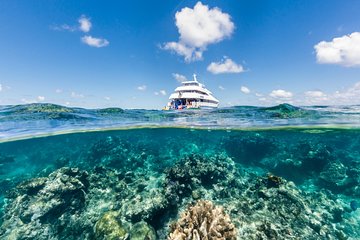
As one of the Seven Natural Wonders of the World and a UNESCO World Heritage Site, the Great Barrier Reef is a popular destination, and there are plenty of ways to explore. If you have limited time, opt for a snorkeling tour departing from Cairns or a scenic flight over the reefs of the Whitsunday Islands. If you have more time and want to make the most out of your visit, a liveaboard sailing adventure is the perfect way to get lots of time at the reef. Most tours depart from Cairns or other small towns in Queensland’s Tropical North.


Where should I stay when visiting the Great Barrier Reef?

The Tropical North of Queensland is full of welcoming coastal towns to stay in.
Queensland is the gateway to the reef, and the area has lots of great places to stay ranging from all-inclusive beachfront resorts to boutique hotels to cozy bed-and-breakfasts. For the best access to the reef (especially if you don’t have a car) stay in the energetic city of Cairns or the laid-back seaside town of Port Douglas; both are departure points for Great Barrier Reef tours.
Insider tip: When in Cairns, you don’t need to stay in the heart of downtown; Trinity Beach and Palm Cove are both excellent Cairns neighborhoods for families wanting to avoid the bustle of the city.
Can I visit the Great Barrier Reef from Brisbane?

Yes—Brisbane is a popular departure point for visitors to the Great Barrier Reef.
Multi-day tours and cruises to the Great Barrier Reef often depart from Brisbane—cruising up the coast through the Coral Sea gives visitors a sense of the massive scale of the reef. Typically, visitors will make a stop at Lady Musgrave Island, just north of the city. Alternatively, you can fly from Brisbane to Cairns (known as the gateway to the Great Barrier Reef) in just 2.5 hours and start your tour there.
What should I wear to visit the Great Barrier Reef?

Leave the bikini at home and opt for sun and stinger protection.
Being in the water doesn’t protect you from the sun—ultraviolet rays penetrate water, and the ocean can actually reflect the sun’s harmful rays onto your skin. Follow the advice given to Australian school children and slip on a long-sleeved cover-up, slap on a wide-brimmed hat, and slop on that (reef-safe!) sunscreen. Full body stinger suits are great at protecting your skin from the sun as well as any jellyfish you may encounter; they’re available to rent or buy from plenty of local gear shops. Board shorts and rash guards are also good options. Pack a light cover-up to change into once you’re done in the water.
What should I bring to visit the Great Barrier Reef?

Pack light but don’t forget the essentials.
Sunscreen is a must at the reef, but make sure you pick one that isn’t harmful to the local ecosystem. Look for pure mineral sunscreens that use ingredients like zinc oxide and titanium dioxide to block UV rays. You should also bring a small bag with a reusable water bottle, a lightweight towel, sunglasses, a hat, and snacks (if your tour doesn’t include food.) Don’t forget to pack dry clothes to change into after your swim. And if you're bringing camera gear or your phone, you may also want a drybag—it can get splashy on the water when the breeze picks up.
Insider tip: Unfortunately, the use of the term “reef-safe” on sunscreens isn’t regulated, so instead of relying on that identification, make sure you look at the ingredients in your sunscreen before using it.
Is the Great Barrier Reef accessible?

Parts of the reef are more accessible than others; confirm with your tour provider prior to booking.
Visitors looking for an accessible way to experience the reef have a couple of options. First is the tropical paradise of Green Island—part of the Great Barrier Reef Marine Park—which has a wheelchair-accessible boardwalk and paved paths around cafés and shops. That said, due to tidal changes, the way that visitors disembark from tour boats when they reach the island can vary based on the time of day. It’s best to check with your boat operator to make sure you book a tour that will be workable for you.
A second option for visitors who want to get into the water but aren’t comfortable on a small dive boat is visiting one of the park’s permanently moored reef platforms, which make it easier to enter and exit the water. The platforms also tend to be moored in protected zones, which keeps them stable.
Lastly, there are also reef tours departing from Port Douglas that offer a powered lift to lower visitors into the water so that wheelchair users can snorkel.
Frequently asked questions

Everything you need to know about visiting the Great Barrier Reef.
Where is the Great Barrier Reef located? The Great Barrier Reef stretches along the coast of Queensland, Australia for nearly 1,500 miles (2,414 kilometers), running from southern Bundaberg to the northern tip of the Cape York Peninsula; the most popular entry points are in the country’s Tropical North.
How many people visit the Great Barrier Reef each year? Roughly 2 million people visit the reef each year; these visits represent a huge contribution to the Australian economy and create employment for thousands of people.
How big is the Great Barrier Reef? The reef covers approximately 133,000 square miles (214,000 square kilometers) and extends along the coastline for over 1,400 miles (2,250 kilometers). It’s made up of more than 2,900 individual reefs.
How old is the Great Barrier Reef? Coral takes hundreds of years to grow, and scientists estimate that the current living reef is somewhere between 6,000 and 10,000 years old.
Find more things to do in Queensland