
Things to do in Tel Aviv

Things to do in  Tel Aviv

Middle Eastern exuberance

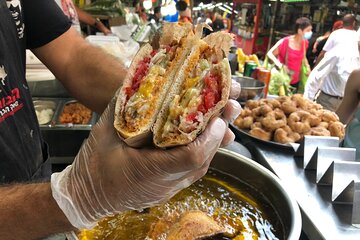
More than 4,000 Bauhaus-style buildings fill the streets of Tel Aviv, hence the Israeli capital’s nickname: the White City. But, there’s nothing minimalist about this lively melting pot, home to some of the country’s choicest culinary offerings (from Yemeni meat stews to flakey Eastern-European hand-pies called bourekas), bustling urban beaches, the hipster ’hoods of Florentin and Neve Tzedek, and Ottoman-era sights in the port city of Jaffa. If you run out of things to do in Tel Aviv, follow your nose: Carmel and Levinski Markets offer the best street eats.

Top 8 attractions in Tel Aviv

Top activities in Tel Aviv

All about Tel Aviv

Local Currency
Israeli New Shekel (₪)
When to visit

Temperatures in Tel Aviv soar in the summer—from May to August, they can push 90°F (32°C). Tourists cram onto the city’s beaches to sunbathe and swim in the near-bath-warm Mediterranean, and the city pulses with life, especially during celebrations like June’s Pride. For less extreme weather and fewer crowds, visit in March and April or September to November, when warm weather is ideal for roaming the city’s markets and alfresco dining. The city is particularly busy in early fall for Rosh Hashanah and Yom Kippur.

Getting around

Tel Aviv is relatively flat and crisscrossed by a grid of wide roads and cycle lanes. It’s easy to explore the city on foot or two wheels, and travelers will find that many hotels rent bikes. For speedier transit, use the Dan buses—buy a Rav-Kav card at a bus station and preload it—or take cabs. Shared taxis (or monit sherut) are cheaper than private cabs and faster than buses. With all these options, there’s no need to rent a car unless you’re planning out-of-town trips.

Traveler tips

Located near Tel Aviv’s Levinsky Market (in the city’s hip Florentin neighborhood), Café Levinsky 41 is famous for its hand-crafted drinks, coffees, and cakes. Stop by for a refreshment after browsing the market’s spice and tea stalls. Look for the battered, plant-filled pickup truck parked outside, and order a delicious cordial or fruit-syrup sodas; each comes with a veritable garden of fresh herbs and flowers on top.

en
d626e373-a416-4ae0-b9d9-361acbf21abc
attraction_list
People Also Ask
Q:What is Tel Aviv known for?
A:

Tel Aviv is nicknamed the White City on account of its UNESCO-protected Bauhaus landmarks. The buildings—designed by German-Jewish architects fleeing Nazi persecution in Europe—are some of the city’s most famous attractions. Also popular are Tel Aviv’s downtown Mediterranean beaches and bustling Carmel Market, the largest shuk.

Q:How do I spend a day in Tel Aviv?
A:

With only a day to spend in Tel Aviv, take a walking tour or food tour to get an insider’s peek into the local culture in just a few hours. If you prefer to visit on your own, wander down the beachfront promenade down to the historic seaport of Jaffa.

Q:What should you not miss in Tel Aviv?
A:

When in Tel Aviv, do not miss a visit to the city’s Yemenite neighborhood, known as Kerem Hateimanim. It’s tucked downtown between Carmel Market and Allenby. There, you’ll find most of the world’s Yemenite Jewish population and tiny, family-run eateries where you can taste the community’s cuisine.

Q:Is Jerusalem or Tel Aviv better?
A:

Tel Aviv is the superior destination for nightlife, cafés, and anything related to the beach—you won’t find any coastlines in Jerusalem. However, Jerusalem can’t be topped when it comes to its history and religious significance. The Old City is home to dozens of landmarks considered sacred to three faiths.

Q:What can you do in Tel Aviv for free?
A:

Two of Tel Aviv’s best features are free. One is the 4,000 or so UNESCO-protected Bauhaus buildings that are scattered around downtown. Simply walk around and try to find them all. You can also take a dip in the Mediterranean Sea, with beaches located right in the city center.

Q:Is it safe to travel to Tel Aviv?
A:

Tel Aviv is a safe city. Nicknamed the Bubble, it feels very far—culturally, if not geographically—from the ongoing Israeli-Palestinian conflict. You can feel confident walking around and exploring on your own. Violent crime is rare, although you’ll want to exercise normal precautions, especially in parts of South Tel Aviv.