Wadi Rum Tours and Tickets
400+ results
What are people saying about Wadi Rum
Wadi Rum

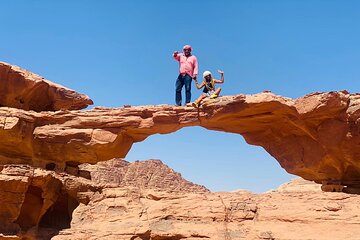
Wadi Rum is a must-do for adventurous travelers, as well as for anyone who loves photography.
Don’t forget a hat, sunglasses, and sunscreen.
A scarf is a great desert accessory to protect against wind-blown sand.
People Also Ask
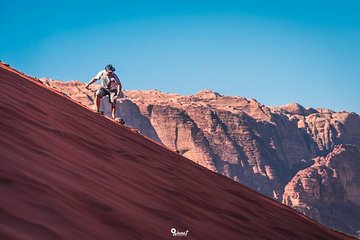
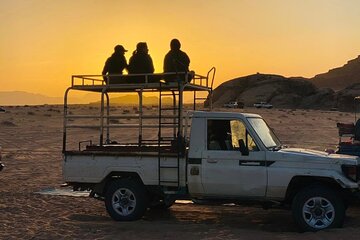
The Wadi Rum Protected Area spans 285 square miles (738 square kilometers) with limited roads, so 4WD guided tours are popular. However, you can also explore by camel or hiking or try activities like sandboarding. A night in a desert camp adds magic to your experience in Wadi Rum if you have time: stargazing can be spectacular.
Spring (late March through May) and fall (September through early November) are the best times of year to visit Wadi Rum. Summer days are often scorching, while winter nights can be bone-chilling, particularly in a tent. April can be beautiful as desert herbs and wildflowers burst the arid landscape into life.
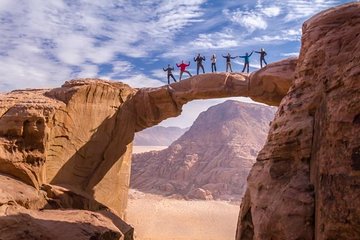
You need a full day and a night. Full-day Wadi Rum Jeep tours hit most top attractions, with a camel ride, sandboarding, and some rock scrambling if you like. Most local guides highly recommend you stay overnight wilderness camping or in a tented camp to appreciate the night sky.
Yes, you can visit Wadi Rum without a guide: many desert camps will collect you from Wadi Rum Village free of charge. To self-drive, you’ll need a 4WD, experience driving in the desert, a self-drive permit bought from the visitor center, and the owner’s permission to take the vehicle off-road.
That depends. Wadi Rum is a big and empty place. There is signal in Wadi Rum Village, the visitor center, and nearby desert camps, but many desert camps have neither a phone signal nor Wi-Fi. If a digital detox is off your agenda, check with your camp before you book.