

Itineraries for Your Trip to Rome
3 Days in Rome for First Timers

From world-class art and architecture to fabulous dining and shopping, Rome serves a sensory feast that rivals any European capital. But the city’s endless options for culture and entertainment can seem overwhelming, especially when combined with its relentless urban pace.
My first trip to the Eternal City was over 20 years ago—and marked by a series of tactical errors, including wasting hours in line at the top sights and dining in dubious “tourist-trap” restaurants. Still, I was spellbound by how the city mixes historic glory and contemporary cool in such a uniquely Roman way. I’ve since realized how much more magical that first visit could have been with better planning. Here’s how to avoid my rookie mistakes and make every minute in this city unforgettable.
Pack your lightest clothes to survive Rome’s sizzling summer temps, but don’t forget options that cover shoulders and knees to enter St. Peter’s and other top churches.
If you only have time for one thing, make it the Colosseum—even a simple stroll around its magnificent outer walls.
Walking, Segway, or e-bike tours through the historic center are a great way to get your bearings and cover blockbusters like the Trevi Fountain, Spanish Steps, and Pantheon in a few hours. But for some “la dolce vita” flair, there’s nothing like zipping through Rome on an iconic Vespa scooter.
Now that you’ve covered the A-listers, it’s time to check out Rome’s excellent food scene, equal parts traditional and trendy. Choose from a variety of food-centric adventures, including market visits, street food strolls, pasta extravaganzas, and hands-on cooking classes.

Today you’ll dig deeper into Rome’s “greatest hits,” beginning with the Colosseum. Skip-the-line tickets are essential, and a guided tour is by far the best way to get the most out of your time. Opt for an express tour that focuses on the amphitheater or a longer visit to cover the adjacent ruins in the Roman Forum and Palatine Hill; the Colosseo metro stop is just across the street from the stadium.

Trade ancient wonder for modern indulgence with some late afternoon shopping in buzzy Monti, just a ten-minute walk away from the Colosseum. Vintage shops and hip independent boutiques reign supreme in this shopping district, making it a local’s favorite–and more affordable than posh Via dei Condotti.

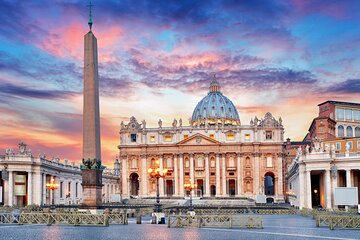
Head across the Tiber River to Vatican City. With fast-track admission tickets and a sharp guide, you can cover the Vatican Museums, Sistine Chapel, and St. Peter’s Basilica in a few hours—with time left over to climb to the top of the dome and snap a photo. Two different metro stops are just a short walk from St. Peter’s Square.
Put some distance between you and the Vatican throngs by leisurely exploring one of Rome’s atmospheric neighborhoods (Trastevere and the Jewish Ghetto are great places to start). Otherwise, leave the city behind completely with an e-bike excursion along the Appian Way, lined with catacombs, aqueducts, and roaming flocks of sheep.

- What are the must-see attractions in Rome for a 3-day visit?
Three days in Rome gives you ample time to check off must-sees—think St. Peter’s Basilica, the Vatican Museums, and the Sistine Chapel, plus the Colosseum and Roman Forum—as well as visit lesser crowded treasures such as Trajan’s Market and the Borghese Gallery. After you take the Spanish Steps, Trevi Fountain, and Pantheon in the Historic Center of Rome, stroll through the Trastevere and Jewish Ghetto neighborhoods to admire their historic architecture and experience some authentic dining.
- What are the top foods and drinks to try in Rome?
Rome’s traditional cuisine gives top billing to four pasta dishes—carbonara, amatriciana, cacio e pepe, and gricia—that dominate the city’s menus and cooking classes. The capital city also offers a vibrant street food scene, featuring delicacies from supplì (fried rice balls) and trapizzino (pizza pockets) to sweet maritozzo buns filled with fresh whipped cream. At sunset, settle in over a spritz, negroni, or other classic Italian cocktail during the aperitivo cocktail hour.
- Which Rome neighborhoods should I stay in if I’m in town for three days?
The attraction-filled historic center is the best Rome neighborhood to stay in for quick access to many of the city’s famous squares, fountains, and palaces. Monti is another excellent base, set within striking distance of the most famous ancient ruins and known for its boutique shopping and excellent dining. Just north of Vatican City, residential Prati is an ideal neighborhood for families, while youthful Trastevere to the south keeps the dining and imbibing going until past midnight.
- What’s the best way to get around Rome on my first visit?
Navigating Rome’s heavy traffic and unreliable public transportation can be frustrating and time consuming. The city’s underground metro system is the best option for reaching a few of the biggest sights and transport hubs, including Piazza Barberini and the Spanish Steps along the A line (red), and the Colosseum and Roman Forum along the B line (blue). The historic center is small enough to cover on foot, while hop-on hop-off bus tours are a hassle-free way to reach attractions further afield.
- Where can I go on a day trip from Rome?
The wide variety of day trip options from Rome will please any type of traveler. Culture lovers can head to Hadrian’s Villa and Villa d’Este in Tivoli, the ancient ruins in Ostia Antica, or the soaring cathedral set in clifftop Orvieto. Foodies can sip wine in the vineyards of Frascati or feast on authentic pizza in Naples, while the beach beckons families from Santa Marinella and Gaeta.