
Stone Town Tours and Tickets
500+ results
Sort by: Featured




What are people saying about Stone Town
Ines_F, Sep 2026
Very insightful, we had a...
Very insightful, we had a great time discovering Stonetown. Our guide was friendly and on time, I recommend this.
Azelea_R, Aug 2026
Amazing trip to get the essence of Zanzibar
An excellent tour! Our guide Ally was so knowledgeable and was very accommodating to some of the changes we wanted to make to the order of the day. The spice farm was so amazing!! We learnt so much! Stone town and prison island were also great! We were travelling with a wheelchair and although the spice farm was not very accessible, the guide helped tailor it, he was very very helpful! Thank you
John_W, Aug 2026
Stonetown tour
Aki was a great resource about Stonetown. We learned a lot of history about the slave trade and who has governed Stonetown over the years.

toinpreelliona_c, Aug 2026
Amazing experience
It was beautiful, my tour guide MR RAMA was so patient, educative and very professional, I loved the prison island and stone town tour. 10/10 experience


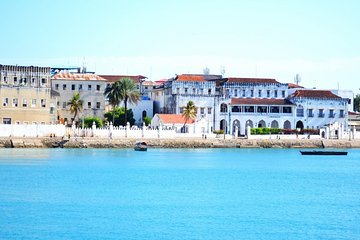
Stone Town

- Some Stone Town-based tour providers specifically offer accessible tours for travelers with disabilities.
- Guided tours are recommended, as the winding streets can be hard to navigate alone.
- Home to Freddie Mercury’s birthplace, Stone Town is also a must see for Queen fans.
People Also Ask
What’s the best way to experience Stone Town?
How much does it cost to visit Stone Town in 2026?
Is Stone Town worth visiting?
What is Stone Town known for?
Why is it called Stone Town?
What is there to do in Stone Town?
How long should I spend in Stone Town?
Can I drink alcohol or wear shorts in Stone Town?
What language do they speak in Stone Town?
What are the best attractions in Zanzibar other than Stone Town?
More Tours in Zanzibar
Things to do near Zanzibar
More attractions near Zanzibar