A view of the beach at Virgin Island, Crozon Peninsula, Brittany

Things to do in  Brittany

Planet of the crêpes

Jutting out at the meeting point of the English Channel and Atlantic coast, Brittany’s weathered sea cliffs, windswept beaches, and coastal towns are the north’s answer to the French Riviera. Underpinned by Celtic roots and a tangled Franco-British heritage, Brittany retains its independent spirit and Breton culture. The cities of Rennes, Vannes, and Brest top the list of things to do in Brittany. Take coastal hikes, discover the prehistoric stones of Carnac, or indulge in Breton cuisine.

Top 5 attractions in Brittany

Top activities in Brittany

All about Brittany

Local Currency
Euro (€)
When to visit

Forever the butt of jokes when it comes to French weather, Brittany does borrow its climate from its British namesake—there’s always a chance of showers. Summer is the best time to hit the beach, and Brittany’s coastal resorts pull in crowds in July–August. Spring weather can be wet and windy, but it’s still a great time to explore Brittany’s hiking trails and local festivals such as the Scallop Festival, Festival of Brittany, and Gulf Week.

Getting around

TGV and TER trains connect Brittany’s main towns and cities, or you can hop on the tire-bouchon (corkscrew) tourist train for a scenic ride along the Quiberon coast. Away from the main towns, it’s handy to have a car, and Brittany’s motorways are all toll-free. For a change of pace, try traveling by boat. Cruise or paddle between towns along the Nantes-Brest or Manche-Océan canals, or hop on a ferry to the Ponant Islands.

Traveler tips

Brittany is the birthplace of the crepe, so it would be rude not to indulge. Look out for creperies afforded the Creperie Gourmande label; then, do as the locals do and order a savory galette (buckwheat pancake), followed by a sweet crepe filled with salted caramel or Nutella.

en
6057e6f3-3fbb-4d4f-b42d-0d2814eb7b52
attraction_list
People Also Ask
Q:What is the most beautiful part of Brittany?
A:

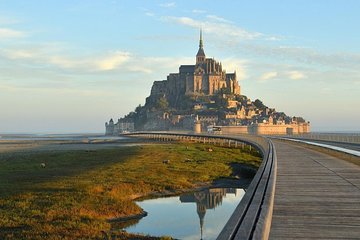
Brittany’s beautiful, unspoiled coastline includes the rose-hued rocks of the Pink Granite Coast, the rocky headlands of the Gulf of Morbihan, and the world-famous Mont-St-Michel Bay. Nature lovers can also enjoy the Broceliande forest, the marshlands of Briere Natural Park, and the unique landscapes of Belle-Île-en-Mer island.

Q:What is Brittany best known for?
A:

Brittany is known for its rugged Atlantic coastline and sandy beaches, as well as its unique Breton culture and traditions. Famous for its fresh seafood and delicious crepes and galettes (savory crepes), Brittany is also renowned for its pretty medieval villages, prehistoric standing stones, and the port city of Saint-Malo.

Q:Why is Brittany so popular?
A:

The natural landscapes draw visitors as does the unique Breton culture and cuisine. Brittany is especially popular with travelers from France and the UK who come to visit the region’s dramatic coastline and sandy beaches. It's easily accessed by train from Paris or ferry from the UK.

Q:Why should I visit Brittany in France?
A:

Brittany is one of France’s most visited regions and is renowned for its sandy beaches, scenic coastal hikes, traditional seaside towns, and unique Breton culture. Not only is Brittany easily accessible from both Paris and the UK, but it’s a great spot for nature lovers, families, and foodies.

Q:Do you need a car in Brittany?
A:

Yes, it’s definitely a good idea to have a car in Brittany, especially if you are staying outside of the larger towns or exploring along the coast. Many travelers arriving from the UK by ferry opt to bring their car, but it’s also possible to travel by train from Paris.

Q:What is the most visited city in Brittany?
A:

The port city of St-Malo is the most visited city in Brittany, welcoming some 4 million annual tourists, many of them arriving at the ferry port from the UK. Other popular coastal towns include Brest, Dinan, Quiberon, Concarneau, and Fougères, while fewer travelers visit the regional capital of Rennes.