
An airplane flying in the skies of South East England

Things to do in  Horley

The gateway to Gatwick

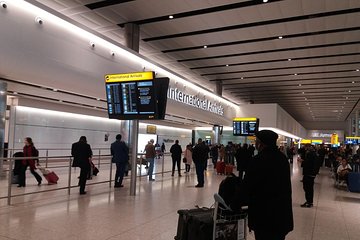
Horley is a small town just outside Gatwick Airport in southeast England. Despite its proximity to the UK’s second-busiest airport, Horley has plenty of its own attractions, plus great transport links to London and the rest of the UK. It's a convenient and charismatic pre- or post-flight stopover spot where the best things to do include visiting the Gatwick Aviation Museum, swinging by a 14th-century pub, searching for the ruins of a 12th-century castle on the East Horley Circular Walk, and playing Footgolf.

Top 1 attractions in Horley

Top activities in Horley

All about Horley

Local Currency
British Pound (£)
When to visit

The best time to visit Horley is in spring when the surrounding countryside fills with flowers such as bluebells, crocuses, and daffodils. However, most people visit Horley based on its convenient proximity to London Gatwick Airport, rather than the weather. This means UK school holidays and Christmas are two of the busiest times to visit Horley, so you’re best booking overnight accommodation well in advance.

Getting around

Horley is a 30-minute walk from Gatwick, but you can also hop on the train and be there in two minutes. While you don’t need a car to get around the town center—and it’s considerably quicker to take the train to London or Brighton than it is to drive—local attractions such as Tulleys Farm and the British Wildlife Centre aren’t as easily accessible. Fortunately, there are plenty of taxis, rideshare services, and car rental spots nearby.

Traveler tips

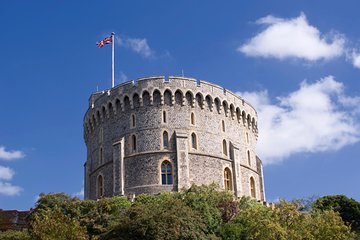
Horley itself is quaint and quirky, but if you’re there for longer than a day you might start to wonder what else there is to do. You can visit London and Brighton, but if you want to get a real taste of southeast England, visit some of the castles and historical houses within an hour of Horley. Highlights include the 14th-century Hever Castle; Chartwell, Winston Churchill’s former home; Wakehurst Place botanical gardens; and the Bluebell Railway.

en
25bb7980-2df6-4587-9795-c3b00e06ec6e
attraction_list
People Also Ask
Q:Is Horley a nice area?
A:

Despite its proximity to one of Europe’s busiest airports, Horley is full of quirky, small-town English charm, with a historic high street, cafés, shops, B&Bs, and easy access to nature. The town is also well-serviced by public transport links connecting it to London and Brighton.

Q:Is Horley worth visiting?
A:

Yes, Horley is worth visiting. Most commonly used for overnight visitors who want to stay close to Gatwick Airport, the historic town offers far more attractions than your typical airport hotel, including a 700-year-old pub that sits alongside a 14th-century church—supposedly with a secret tunnel connecting the two.

Q:What is there to do around Horley?
A:

Along with Gatwick Airport, one of Horley’s main attractions is the Gatwick Aviation Museum, where most planes date back to WWII and the 1970s. Other highlights include St Bartholomew’s Church, the Archway Theatre, Gatwick Footgolf, and the East Horley Circular Walk, plus some great pubs and restaurants.

Q:Is it noisy in Horley?
A:

Although Horley is next to one of Europe’s busiest airports, the town itself is not especially noisy. The noise from the airport carries a little further in winter when there aren’t as many leaves on the trees to block the sound from reaching the town, but it isn’t especially noticeable.

Q:How long do most visitors spend in Horley?
A:

Most visitors to Horley merely pass by the town on their way to Gatwick Airport, although some stay overnight. If you have a little longer to spare, it can be a good base for exploring the local area or heading to London or Brighton on day trips.

Q:What is the history of Horley?
A:

Horley may be best known for its proximity to London Gatwick Airport, but the town, which dates back to the 12th century, existed long before the UK’s second-busiest airport opened in 1958. Roughly halfway between London and Brighton, the town was a major thoroughfare before the railway opened in 1841.