
Sapa Tours and Tickets
800+ results
Sort by: Featured









What are people saying about Sapa
Mark_H, Oct 2026
Great guide and trip
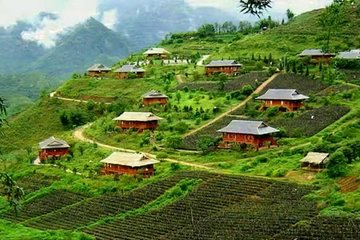
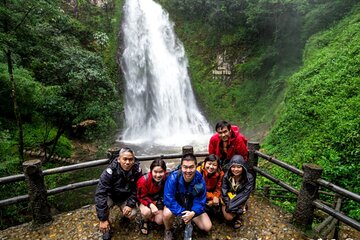
Thouroughly enjoyable ride around the SaPa countryside through famland and villages. The walk in the National Park to love waterfall was really nice.
stephany_L, Sept 2026
Loved Sapa and Ma Ghenh
Please request Ma Ghenh as the tour guide. I did a solo trip with her to all these places and it was the best experience of my life. She was so kind, patient, friendly & very informative. Thank you to her, I had an incredible time in Sapa. Her hospitality was so genuine.
Alexandra_N, Aug 2026
It was an amazing...
It was an amazing experience to learn about the culture and see the villages! plus our guide was an absolute sweetheart! i highly recommend it to everyone that comes to vietnam and particularly sa pa
luke_s, Jul 2026
Great service , comfortable, friendly and punctual .
Top service , punctual and friendly. We used this company to go and come from sapa . Would definitely recommend


Sapa

Most hikes around Sapa are steep. Travelers with lower physical fitness should look for a private guide who can create a custom tour.
Bring waterproof layers at every time of year, and be prepared for cold weather in winter.
Most travelers who use wheelchairs or strollers will find Sapa a challenging destination, with steep slopes, raised curbs, muddy single-track paths, and few accessible bathrooms.
People Also Ask
What’s the best way to experience Sapa?
How much does it cost to visit Sapa in 2026?
Is Sapa worth visiting?
What is Sapa (Sa Pa) famous for?
What kinds of hikes can you do in Sapa?
What kinds of tours run to Sapa?
How do you get to Sapa?
How much time do you need in Sapa?
Is Sapa good for kids?
What are the best attractions in Northern Vietnam other than Sapa?
More Tours in Northern Vietnam
Things to do near Northern Vietnam
More attractions near Northern Vietnam