New urban housing in Milron Keynes, South East England.

Things to do in  Milton Keynes

Modern city in the middle of it all

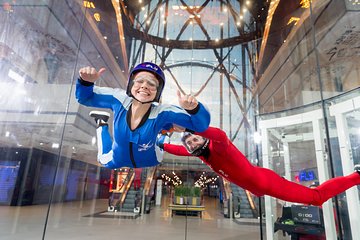
Concrete cow artwork, indoor snow slopes, green parks, and roundabouts: Milton Keynes is a city of surprising contrasts. Built in the late 1960s, this young metropolis between London and Birmingham is known for its American-style grid layout that puts convenience over aesthetics. But, dig beneath its urban sprawl, and Milton Keynes has much to offer. Indoor skydiving and skiing at the Xscape center, shopping at the Centre: MK mall, and discovering Second World War code-breaking history at Bletchley Park are among the Milton Keynes things to do.

Top 1 attractions in Milton Keynes

All about Milton Keynes

Local Currency
British Pound (£)
When to visit

Milton Keynes is mild year-round, but the best chance of dry, sunny weather is in summer. Watch out for the Milton Keynes International Festival, which takes place at the end of July every two years—so in 2025, 2027, and so on. Expect art installations, live performances, music, and family activities. Another popular event is the Milton Keynes Pride Festival, usually held in September.

Getting around

Milton Keynes was made with cars in mind, and it can feel congested. Luckily, there’s a public bus network plus a visitor-friendly Hopper service with free or discounted tickets, depending on when you ride. Walkers can use the Redways network of traffic-free paths crisscrossing the city. Cyclists share these pathways, and bikes are a great way to move across this spread-out town. Lime and Santander offer easy bike rentals, and Redways maps are available online.

Traveler tips

Love 'em or hate 'em landmarks, Concrete Cows by North American artist Liz Leyh are Milton Keynes’ must-sees. The original three cows and three calves are fragile and were relocated to the Milton Keynes Museum after some unfortunate capers (they’ve been painted as skeletons, dressed in pajamas, kidnapped, and even beheaded). The original outdoor location at Bancroft now has sturdier replicas, becoming endearing landmarks in their own right.

en
adf12557-de3a-4720-8855-0ac7b2000e18
attraction_list
People Also Ask
Q:Is Milton Keynes worth visiting?
A:

It depends. If you’re driving north from London, Milton Keynes offers a convenient stop-off with enough things to do for an overnight or weekend trip. If you have more time or prefer towns with a historical or cultural edge, keep driving to Stony Stratford or the Georgian village of Woburn.

Q:What is special in Milton Keynes?
A:

The city is all about modern infrastructure—think wide roads on a grid system and plenty of green space. This convenient and liveable space appeals to families, and attractions spring up to amuse them. Convenience, leisure facilities, and modern appeal are the things that make Milton Keyes special.

Q:Why is Milton Keynes so expensive?
A:

If you compare Milton Keynes’ hotels and restaurants to those in London and Birmingham, Milton Keynes is cheaper. You might hear it described as expensive by commuters looking for a convenient base to live in, but travelers who seek alternatives to popular visitor destinations will find it a better-priced option.

Q:Do any famous people live in Milton Keynes?
A:

Second World War code breaker Alan Turing worked in Bletchley Park, living in an area that’s since become Milton Keynes when he decrypted the Enigma code. English actor Kevin Whately—best known as Detective Sergeant Lewis in the Inspector Morse British TV series—also lives near Milton Keynes.

Q:Why is Milton Keynes so-called?
A:

The name came from the historic center of Middleton, a village in the Buckinghamshire area. When a local politician saw the name of it—Milton Keynes—he said “Milton the poet, Keynes the economic one. Planning with economic sense and idealism, it’s a very good name for it.”

Q:Is Milton Keynes a walkable city?
A:

Yes. Some might assume that Milton Keynes isn’t a city for walkers, as it was built in a grid system with cars in mind. But, the Redways offer traffic-free walking or cycling routes around the city, making it easier to access shops and services without a vehicle.